1 MINUTE. FULL FIRE. REAL KITCHEN. Shorts #ChefLife #POVkitchen #italianfood
15 August 2026 · 0:40 watch
Advertisement
Get an insider POV of a high-speed professional Italian kitchen service, demonstrating extreme heat control, pan management, and seamless station organisation.
Key takeaways
- Master the economy of motion by organising your station so high-use ingredients are within arm's reach.
- Use continuous pan tossing to distribute heat evenly and build stable, emulsified pasta sauces.
- Rely on sensory cues like sound and smell to gauge pan temperature rather than rigid timers.
- Control high heat by strategically adding pasta water to stop garlic and herbs from burning.
The Art of the High-Velocity Line
In the professional kitchen, the difference between a smooth service and complete chaos often comes down to seconds. This point-of-view (POV) look at a high-intensity Italian station offers a masterclass in economy of motion and muscle memory. Watching a chef operate under pressure provides critical insights into pan management, heat control, and the fluid choreography required to survive a busy cover rush.
A key focus is the relationship between the chef and the flame. Working on "full fire" requires instinctive timing; there is no room to second-guess when to toss, when to deglazeDeglazeAdding liquid to a hot pan to dissolve browned cooking residue and form the base of a sauce., and when to plate. The video highlights how experienced chefs utilise sensory cues—the hiss of the pan, the aroma of garlic releasing into hot olive oil, and the changing viscosity of a reducing sauce—rather than relying on timers.
Fluid Motion and Station Setup
Behind every fast-paced plate is a meticulous mise en placeMise en PlaceFrench for "everything in its place"; the preparation and organisation completed before service. and station organisation. To maintain this level of speed, every tool, oil squeeze bottle, and garnishGarnishAn edible element added primarily to enhance flavour, texture or presentation. must reside in its exact, designated spot. This POV perspective demonstrates how a chef minimises extra steps, keeping their focus entirely on the pans.
For junior chefs, the main takeaway is the importance of controlling pan temperature. When cooking Italian pasta dishes at high speed, overheating the pan can instantly burn garlic or break an emulsion, while underheating results in soggy, uninspired plates. Success lies in continuous movement—keeping the ingredients tossing to distribute heat evenly and emulsifyEmulsifyTo combine normally immiscible liquids, such as oil and water, into an emulsion. pasta water with oils and sauces.
Managing the Service Flow
Ultimately, this demonstration is less about a single recipe and more about the rhythm of service. It showcases how a professional manages multiple pans simultaneously, transitioning seamlessly from searing to saucing and finally plating. Observing this real-time kitchen environment reinforces that culinary excellence is not just about culinary theory, but about execution under extreme pressure.
Questions from the pass
Frequently asked questions
How do you prevent garlic from burning in a high-heat Italian service?
To prevent garlic from burning during high-heat service, control your pan temperature by constantly tossing the ingredients and introducing moisture, such as pasta water or stock, at the critical moment. This immediately drops the pan's temperature, stopping the browning process while emulsifying the sauce.
Why is pan tossing so crucial in professional pasta preparation?
Pan tossing is essential for emulsifying the cooking water with olive oil or butter to create a glossy, cohesive sauce that clings to the pasta. It also ensures even heat distribution and prevents delicate ingredients from sticking to the hot surface of the pan.
How should a chef organise their station for high-speed service?
For high-speed service, arrange your mise en place in order of use from left to right or front to back. Keep high-use items like squeeze bottles of oil, pasta water, seasonings, and herbs within arm's reach to minimise unnecessary movement and maintain focus on the stove.
What are the key sensory cues when cooking pasta dishes under pressure?
Key sensory cues include the changing pitch of the sizzle as moisture evaporates, indicating when to deglaze. Watch for the glossy sheen of a properly emulsified sauce, and use your sense of smell to detect when garlic is perfectly fragrant before it burns.
Original video by Denis Prokopyev. This overview is written independently by The Chef's Circle editorial desk — watch the original on YouTube.
Keep reading
Related from the Community
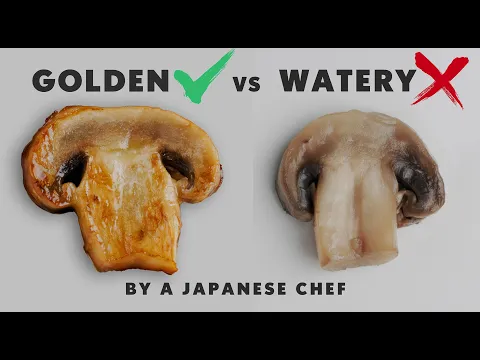 5:28
5:28Stop Adding Oil First—This Makes Mushrooms Golden Brown | Japanese Chef
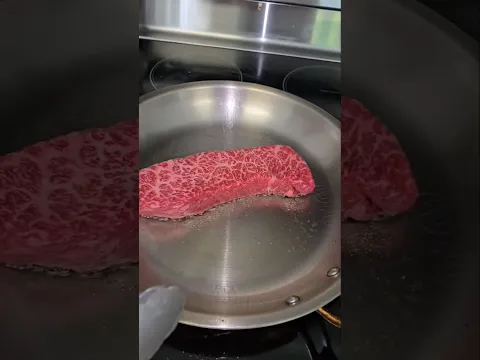 3:00
3:00Steak and egg on 1 steel pan
 47:23
47:23Jamie Oliver's Chicken Recipes & Ideas To Try This Weekend
 0:27
0:27How To Fry The Perfect Steak #howto #shorts
 13:46
13:469 astuces pour améliorer facilement tous vos plats dès maintenant
 1:38
1:38