The Best Chicken Pie You’ll Ever Make
15 August 2026 · 14:32 watch
Advertisement
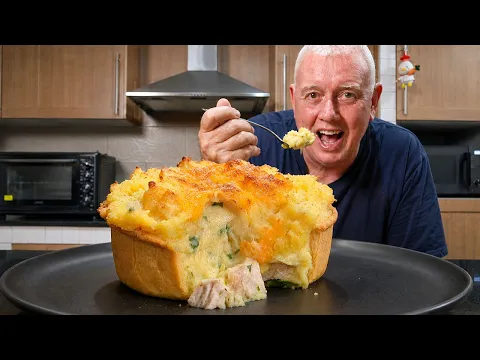
Discover how to lift a classic British chicken pie into a restaurant-calibre masterpiece. This guide covers Fallow's professional techniques, including dual-stage carcass roasting, a Marmite-enriched sauce suprême, and clever structural pastry tips.
Key takeaways
- Spatchcock the chicken before roasting at 190°C to ensure rapid, even cooking and a highly efficient meat yield.
- Roast the picked carcass and bones a second time at 200°C to extract maximum gelatin and deep roasted flavour for the stock.
- Enrich the sauce suprême with a umami-rich beurre manié made from rendered chicken fat, flour, Dijon mustard, and Marmite.
- Prop up the 6mm puff pastry lid with a reserved roasted chicken leg bone to prevent it from sagging into the wet filling.
Lifting the British classic to a restaurant-calibre masterpiece requires a deep understanding of flavour extraction and structural pastry work. In this masterclass from London's Fallow, chefs demonstrate how to build an ultra-rich chicken pie by utilising every element of a single bird. The technique hinges on a dual-stage roasting process, a carefully calibrated garnishGarnishAn edible element added primarily to enhance flavour, texture or presentation., and a highly fortified sauce suprême that delivers unparalleled depth of flavour.
Dual-Stage Roasting and Stock Intensification
The foundation of this dish lies in spatchcocking a whole chicken, which ensures fast, even cooking while retaining moisture. After roasting at 190°C, the meat is stripped and set aside, but the culinary work continues with the remaining carcass. The bones, wings, and neck are returned to the oven at 200°C to roast until deep golden brown. This secondary roast forms the base of the sauce, which is built by sautéSautéTo cook food quickly in a small amount of fat over relatively high heat.ing shallots and garlic, deglazing with dry wine, adding aromaticsAromaticsIngredients such as onions, garlic, celery, herbs and spices used to build flavour in a dish. and double chicken stockStockA liquid made by simmering bones, meat, fish, vegetables or aromatics., and reducing the liquid by half.
To achieve a velvety, gloss-finish sauce suprême, the strained liquid is enriched with double cream and thickened with a modified beurre maniéBeurre ManiéSoft butter kneaded with flour and used to thicken sauces.. Incorporating rendered chicken fat, Dijon mustard, and MarmiteMarmiteA deep, covered cooking vessel traditionally used for stocks, soups and stews. into this flour paste injects a massive hit of umamiUmamiThe savoury taste associated with compounds such as glutamate and certain nucleotides. and gloss that lifts the sauce far beyond a standard velouté. SautéSautéTo cook food quickly in a small amount of fat over relatively high heat.ed lardons, button mushrooms, and shallots are folded in alongside a fresh chiffonadeChiffonadeA knife technique producing fine ribbons from leafy vegetables or herbs. of tarragon and flat-leaf parsley to complete the filling.
Pastry Precision and Structural Integrity
Handling puff pastry with professional discipline is critical to preventing shrinkage and ensuring a crisp bake. The recipe recommends lining the pie dish with pastry rolled to 3mm, trimming the edges, and restingRestingAllowing cooked meat or another food to stand before serving so heat and juices can redistribute. it in the fridge for 30 minutes to relax the gluten. The lid template is cut to a sturdier 6mm thickness and chilled separately.
A stellar kitchen tip revealed in this recipe is saving a roasted leg bone from the carcass to act as a central pillar inside the dish. This structural support holds up the heavy 6mm pastry lid during the initial bake, preventing it from collapsing into the wet filling and ensuring a spectacular, lofted presentation when sliced at the pass.
Questions from the pass
Frequently asked questions
Why does the recipe call for spatchcocking the chicken before roasting?
Spatchcocking flattens the bird, ensuring that the breast and leg meat cook evenly and rapidly at 190°C. This prevents the white breast meat from drying out while the dark leg meat cooks through, resulting in juicier chicken for the pie filling and an easier carcass to strip.
What is the purpose of roasting the picked carcass bones a second time?
Roasting the picked bones, wings, and neck at 200°C for 20 minutes caramelises the remaining proteins, sugars, and marrow. This deepens the colour and intensifies the roasted flavour profile of the resulting stock, which forms the robust backbone of the sauce suprême.
How does the Fallow beurre manié differ from a traditional one?
Instead of just combining butter and flour, this professional variation incorporates rendered chicken fat, Dijon mustard, and Marmite. This combination not only thickens the sauce suprême as it bubbles, but also introduces a massive hit of complex acidity, saltiness, and deep umami.
Why is a chicken bone placed inside the pie before putting the lid on?
Placing a reserved, cleaned roasted leg bone upright in the centre of the pie dish acts as a structural pillar. This support prevents the heavy, 6mm-thick puff pastry lid from sinking into the hot filling during the bake, ensuring a beautifully lofted, crisp crust.
Why should the pastry lining and the lid be chilled for 30 minutes before baking?
Chilling relaxes the gluten in the rolled puff pastry, preventing it from shrinking or warping when it hits the hot oven. It also solidifies the butter layers within the pastry, ensuring maximum steam generation and a loftier, flakier rise during baking.
Original video by Fallow Restaurant. This overview is written independently by The Chef's Circle editorial desk — watch the original on YouTube.
Keep reading
Related from the Community
 0:41
0:41The making of OSIP #restaurant #chef #cheflife #finedining #somerset #cooking #recipe #shorts #food
 47:23
47:23Steve | The Vivaldi Way is live!
 47:23
47:23Jamie Oliver's Chicken Recipes & Ideas To Try This Weekend
 0:27
0:27How To Fry The Perfect Steak #howto #shorts
 0:59
0:59Is Resting a Steak Worth It?
 19:16
19:16