Mika's Empanadas de Carne
14 September 2026 · 2:56 watch
Advertisement
Chef Mika Leon demonstrates the art of traditional Cuban beef empanadas, detailing picadillo filling moisture control and pastry sealing techniques for professional kitchens.
Key takeaways
- Ensure the picadillo beef filling is cooled completely before assembly to prevent pastry fats from melting.
- Cook out all excess moisture from the beef and sofrito to avoid soggy bottoms and steam blowouts.
- Maintain a cold dough prep station to preserve pastry pliability and structural integrity.
- Chill the assembled empanadas prior to frying or baking to set the seam and ensure a crisp, flaky crust.
Chef Mika Leon’s approach to Cuban empanadas de carne highlights the importance of balancing traditional Latin flavours with precise pastry technique. For professional kitchens looking to refine their small-plates or bar-snack offerings, the classic beef empanada provides an excellent margin-friendly option that can be prepped in batches and finished to order. Leon’s method showcases how childhood food memories can be translated into efficient, high-volume kitchen prep without losing the soul of the dish.
Perfecting the Picadillo Base
The foundation of any exceptional empanada de carne is the beef filling, traditionally prepared as a rich picadillo. The primary challenge for chefs is managing moisture. A filling that is too wet will steam the pastry from the inside, leading to blowouts during frying or a soggy bottom when baked.
Leon emphasises building deep, concentrated flavours by slowly sweating the sofrito—a foundational blend of onions, peppers, and garlic—before adding the minced beef. The beef must be browned thoroughly and simmered until the liquid reduces completely, leaving a glossy, intensely seasoned meat mixture that clings together. Incorporating traditional elements like green olives or raisins requires careful, fine chopping to ensure every bite is balanced and the pastry can be packed tightly without trapping air pockets. The filling must be cooled completely before assembly to avoid melting the fats in the dough.
Pastry Prep and Structural Integrity
Whether utilising scratch-made lard pastry or sourcing high-quality pre-rolled dough discs, handling the wrappers requires a cool kitchen station. The dough must remain pliable but cold enough to hold its shape during assembly. A common pitfall in production is overfilling the discs; leaving a clear half-inch border is essential for a secure seal.
Sealing the empanadas can be executed using the traditional fork-crimpCrimpTo press or shape the edge of pastry, commonly to seal pies and tarts. method or the classic hand-twisted repulgue edge. For high-speed service, a clean fork-crimpCrimpTo press or shape the edge of pastry, commonly to seal pies and tarts. provides rapid throughput, while the hand-folded edge offers an artisanal finish that appeals to diners looking for authentic technique. Prior to cooking, chilling the assembled empanadas stabilises the fat in the pastry, ensuring a crisper, flakier finish when dropped into the fryer or baked in a high-heat combi oven. This step also prevents the seams from splitting under heat.
Questions from the pass
Frequently asked questions
How do you prevent empanadas from bursting open during deep frying?
Prevent empanadas from bursting by ensuring a tight seal with no trapped air inside the pastry pocket. Crimp the edges firmly using a fork or a twisted repulgue fold, and always chill the assembled pastries before cooking. Chilling solidifies the fat and sets the seam, which helps the empanada retain its structural integrity in hot oil.
Why must the beef picadillo filling be completely cold before wrapping?
The beef filling must be cold to prevent the fats in the pastry dough from melting prematurely. If warm filling is placed on cold dough, the pastry will soften, stretch unevenly, and tear during folding. Cooling the picadillo also solidifies any remaining juices, keeping the filling compact and easy to portion.
Can these beef empanadas be prepped ahead and frozen for service?
Yes, empanadas are highly suited for advance prep and freezing. Assemble, seal, and lay them flat on a parchment-lined tray to freeze individually before transferring them to bags. They can be cooked directly from frozen in a deep fryer or combi oven, which helps reduce prep time during high-volume dinner service.
What is the best way to control moisture in the beef filling?
Control moisture by simmering the picadillo on low heat until all liquid from the sofrito and beef has evaporated. The mixture should be glossy but dry enough that it does not leave a puddle when spooned onto a flat plate. Overly wet fillings create steam, which ruins the pastry's crispness.
Original video by Food Network. This overview is written independently by The Chef's Circle editorial desk — watch the original on YouTube.
Keep reading
Related from the Community
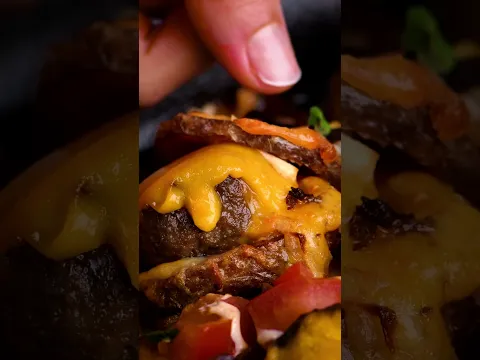 0:46
0:46Get a load of these cheeseburger fries 🍔🍟
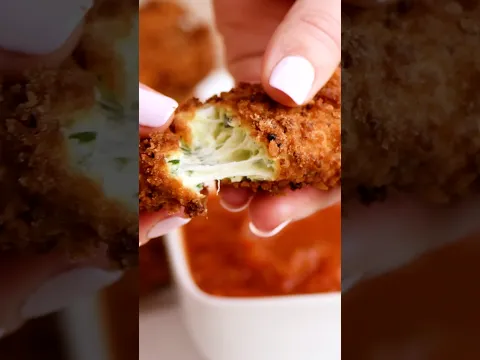 0:53
0:53The crunchy and cheesy goodness of a mozzarella stick combined with spinach artichoke dip 🧀✨
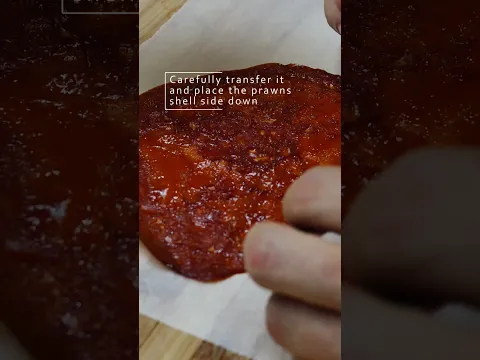 0:38
0:38Edible Fossil Chips Made From Prawn and Duck
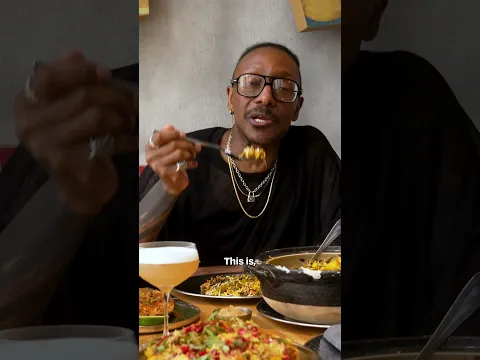 1:20
1:20Why Gregory Gourdet loves the Biryani at NYC's Dhamaka #nyc #eater
 0:18
0:18curry rice is easily my go-to choice for lunch!!🍛 #singapore #sgfoodie #hawkerfood #affordable
 9:00
9:00