I Tried Fast Food That No Longer Exists
21 September 2026 · 32:52 watch
Advertisement
Chef Joshua Weissman and former corporate chef Mike Haracz reverse-engineer extinct fast-food classics, dissecting the science of mass-market flavour profiles.
Key takeaways
- Reverse-engineering commercial recipes requires balancing high-sodium, high-sugar, and high-acid profiles for immediate palate impact.
- Use concentrated powders and MSG to replicate the depth of industrial seasonings without introducing excess moisture.
- Recreate industrial textures by managing fat ratios in proteins and precise hydration in batters.
- Understand how commercial emulsifiers and stabilisers maintain consistency under holding conditions.
In this episode, Joshua Weissman teams up with former corporate chef Mike Haracz to tackle a unique culinary challenge: bringing extinct fast-food menu items back to life. For professional chefs, this is more than an exercise in nostalgia; it is a masterclass in reverse-engineering industrial food profiles and understanding the precise balance of salt, acid, fat, and sugar that drives mass consumer appeal. Recreating these commercial successes requires looking past traditional scratch-cooking techniques to dissect how processed ingredients behave under high-volume service conditions.
Deconstructing the Industrial Palette
To replicate a discontinued fast-food icon, a chef must learn to think like a food scientist. Corporate product development relies heavily on building immediate, intense flavour hits. This often means balancing high levels of sodium and sugar with sharp acidity, typically delivered through stabilised sauces and emulsified dressings. Weissman and Haracz demonstrate that recreating these items at a high standard requires meticulous flavour matching. Instead of relying on fresh, subtle herbs, the focus shifts to concentrated powders (like garlic and onion), MSG, and acid regulators. Chefs learn how to balance these components to achieve that instantly recognisable, savoury profile without letting any single element overpower the final dish.
Recreating Texture and Mouthfeel
The second hurdle in reverse-engineering commercial food is texture. Fast-food items are engineered to survive holding times and transport, which dictates how proteins are ground and how batters are formulated. When recreating these extinct items, the video highlights the importance of fat ratios in ground meats and the specific hydration of batters. For instance, achieving the exact crunch of a discontinued fried item or the soft, uniform crumb of a commercial bun requires precise temperature control and specific cooking times. The pitfalls here are clear: over-complicating the preparation with premium techniques can actually pull the dish too far away from the original profile, losing the nostalgic texture that made the item famous in the first place.
The Value of Commercial R&D in Modern Kitchens
Studying how mass-market brands formulate their menu items offers valuable lessons for modern kitchen operators. By understanding the stabilisers and emulsification methods used in commercial prep, chefs can improve the shelf-life and consistency of their own house-made sauces and dressings. Replicating these classics forces a chef to strip away culinary pretension and focus purely on the science of taste, proving that even the simplest fast-food items rely on rigorous culinary development.
Questions from the pass
Frequently asked questions
How do you match the flavour profile of discontinued commercial sauces?
To match industrial sauces, focus on balancing high acidity, sweetness, and sodium. Use stabilised mayonnaise as a base, then adjust with vinegar, sugar, onion powder, and MSG. Avoid fresh ingredients like raw garlic or whole herbs, as they alter the uniform texture and shelf life characteristic of commercial formulations.
Why is texture so difficult to replicate when copying fast-food items?
Fast-food items are engineered for durability and uniform mouthfeel. Recreating this requires precise control over meat-to-fat ratios, fine grinding techniques, and specific flour hydration for batters. Traditional hand-formed patties or artisanal buns often lack the dense, consistent structure required to mimic the mass-produced originals accurately.
Should MSG be used when recreating extinct fast-food recipes?
Yes, MSG is essential for capturing the savoury depth of commercial food. Most fast-food formulations rely on monosodium glutamate or yeast extracts to boost umami. Omitting it will result in a flatter flavour profile that fails to trigger the nostalgic taste response of the original product.
What is the best way to handle ground meat for replica fast-food patties?
Opt for a fine grind with a relatively high fat content, typically around 20 to 25 percent. Press the meat firmly into uniform, thin shapes before cooking. This ensures the quick cooking times and tender, easily biteable texture characteristic of commercial fast-food burgers.
Original video by Joshua Weissman. This overview is written independently by The Chef's Circle editorial desk — watch the original on YouTube.
Keep reading
Related from the Community
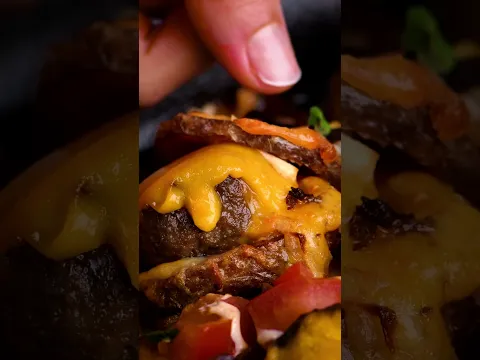 0:46
0:46Get a load of these cheeseburger fries 🍔🍟
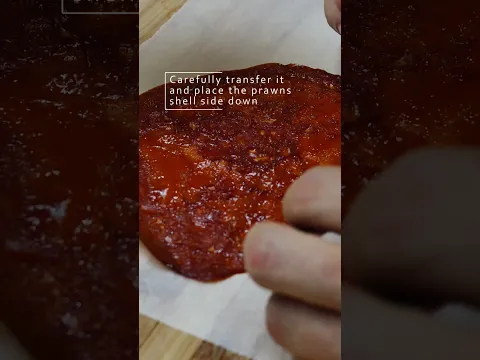 0:38
0:38Edible Fossil Chips Made From Prawn and Duck
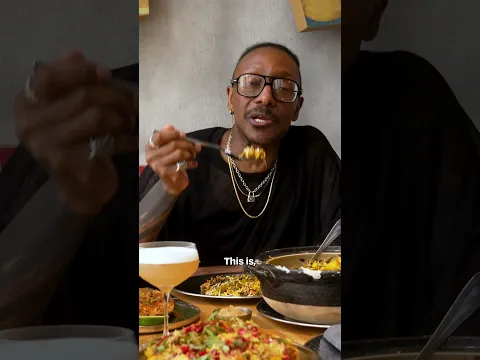 1:20
1:20Why Gregory Gourdet loves the Biryani at NYC's Dhamaka #nyc #eater
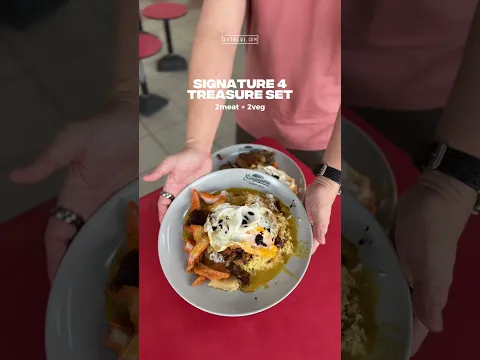 0:18
0:18curry rice is easily my go-to choice for lunch!!🍛 #singapore #sgfoodie #hawkerfood #affordable
 9:00
9:00We Turned Fresh Catfish Into Patties!
 2:56
2:56