Top #DDD Videos in Gainesville, FL with Guy Fieri 🔥 Diners, Drive-Ins and Dives | Food Network
9 September 2026 · 23:45 watch
Advertisement
High-volume casual dining holds valuable lessons for professional kitchens. We examine the culinary techniques behind Gainesville's top independent spots featured on Diners, Drive-Ins and Dives.
Key takeaways
- Double-frying proteins ensures a durable crispness that resists steam and heavy sauces during service.
- Integrating in-house butchery and curing programmes increases yields and establishes a distinct flavour profile.
- Wood-fired oven management requires constant thermal monitoring and precise dough hydration to avoid undercooked centres.
- Strategic bread toasted on a plancha requires uniform fat distribution to prevent dry spots and uneven browning.
Executing Texture at Volume
For chefs operating high-volume casual concepts, maintaining structural integrity and texture on the plate is a constant battle. The Gainesville dining scene highlights how independent operators manage these challenges through smart prep work and refined cooking techniques. In chicken sandwich production, achieving a shatteringly crisp exterior that survives transport or heavy saucing relies heavily on the double-frying method. This technique par-cooks the protein at a lower temperature to retain moisture before a high-heat flash-fry finishes the crust to order. This two-step process allows the kitchen to manage rush-hour tickets efficiently without sacrificing quality.
Similarly, sandwich builds like the Cuban and the shrimp roll demonstrate the importance of bread selection and fat application. Pressing a sandwich correctly requires balancing weight and heat to melt internal ingredients without scorching the exterior. This demands careful attention to fat distribution on the plancha, ensuring even heat transfer across the entire surface of the bread.
Scratch Production and Fire Management
Value in casual dining is increasingly driven by in-house craftsmanship. Integrating a scratch-butchery programme allows kitchens to utilise whole primals, reducing food costs while producing bespoke bacon, pastrami, and sausage lines. This control over the curing and smoking process ensures a distinct flavour profile that sets a menu apart from competitors relying on industrial suppliers.
In baking and pizza operations, the challenges shift to fermentationFermentationA biological process in which microorganisms transform sugars and other compounds, creating acidity, gas, alcohol or complex flavours. and thermal management. Operating wood-fired ovens requires a chef to understand the thermodynamics of raw fire. Maintaining a consistent hearth temperature during a busy service is difficult; it requires constant fuel monitoring and strategic rotation of the pizzas. When paired with high-hydration sourdough bases, wood-firing produces the characteristic 'leopard-spotting' on the crust, delivering a complex chew and smoky aroma that conventional deck ovens cannot replicate. Ultimately, these Gainesville kitchens show that success lies in masterfully executing basic techniques under high-pressure service conditions.
Questions from the pass
Frequently asked questions
Why is double-frying essential for high-volume chicken sandwiches?
Double-frying ensures a shatteringly crisp crust that holds up under heavy sauces and steam during service. The first fry cooks the chicken through at a lower temperature, while the second flash-fry at a higher temperature crisps the exterior. This process keeps the meat juicy inside while preventing a soggy crust on the pass.
How does integrating scratch butchery benefit a casual deli concept?
Sourcing whole primals and processing them in-house, as seen in craft meat joints, maximises yield and lowers food costs. Chefs can control the cure, smoke, and seasoning of their sandwich meats, which establishes a distinct flavour profile that cannot be replicated by commercial pre-sliced products.
What are the primary challenges of wood-fired pizza in a busy service?
Wood-fired ovens require constant thermal management and manual rotation of the pizzas to ensure an even bake. Maintaining a consistent temperature is difficult during peak hours when the oven door is constantly opened, requiring skilled hearth management and precise dough hydration to avoid burnt bases or raw centres.
How do high-hydration doughs improve the quality of artisanal sandwich breads?
High-hydration doughs create an open crumb structure and a crisp crust when baked, which provides excellent structural integrity for heavy sandwich fillings. It prevents the bread from absorbing too much moisture from sauces, ensuring the sandwich retains its texture from the pass to the customer's table.
Original video by Food Network. This overview is written independently by The Chef's Circle editorial desk — watch the original on YouTube.
Keep reading
Related from the Community
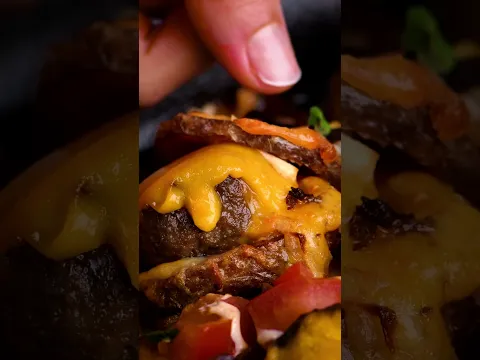 0:46
0:46Get a load of these cheeseburger fries 🍔🍟
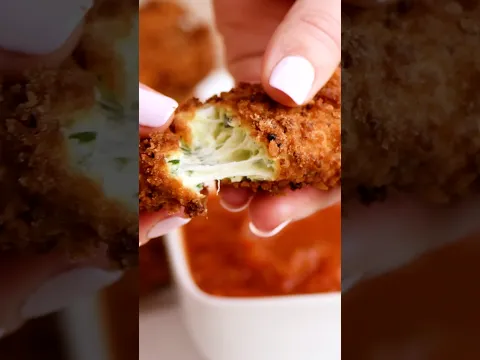 0:53
0:53The crunchy and cheesy goodness of a mozzarella stick combined with spinach artichoke dip 🧀✨
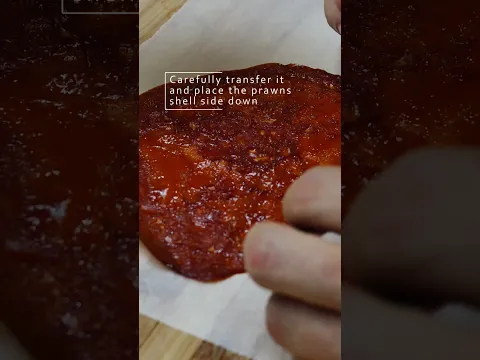 0:38
0:38Edible Fossil Chips Made From Prawn and Duck
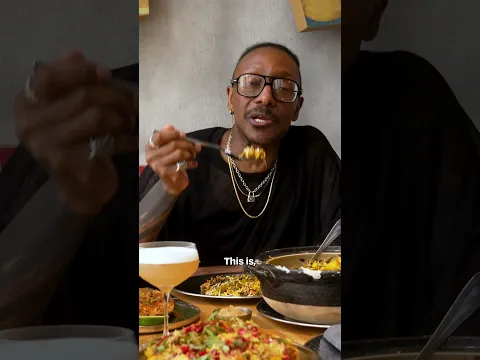 1:20
1:20Why Gregory Gourdet loves the Biryani at NYC's Dhamaka #nyc #eater
 0:18
0:18curry rice is easily my go-to choice for lunch!!🍛 #singapore #sgfoodie #hawkerfood #affordable
 9:00
9:00