How America’s Best Pork Chop is Made at NYC's #1 Restaurant | Made to Order | Bon Appétit
18 September 2026 · 8:09 watch
Advertisement
Learn the butchery, frying, and seasoning techniques behind the legendary Chuletas Can-Can, a massive 1kg Puerto Rican pork chop prepared by Chef Paul Carmichael at NYC's Kabawa.
Key takeaways
- The Can-Can cut preserves the loin, belly, and rind on a single rib bone for maximum textural variety.
- Scoring the outer rind is essential to allow even heat penetration and prevent the skin from seizing.
- Frying the entire 1kg chop renders the thick belly fat while puffing the skin into a glass-like crackling.
- A high-acid sauce is crucial to slice through the intense richness of the deep-fried belly and loin.
Chef Paul Carmichael of Kabawa in New York City demonstrates the preparation of Chuletas Can-Can, a traditional Puerto Rican pork chopChopTo cut food into relatively irregular pieces using a knife or cleaver. that serves as a masterclass in texture management and butchery. Weighing in at approximately one kilogram, this substantial cut challenges standard service-line cooking by uniting three distinct muscle groups—the rib, the loin, and the belly—with the skin left fully intact. Managing this variation in fat, lean meat, and rind requires a highly controlled technique to ensure the skin renders to a glass-like crispness while the interior remains succulent.\n\n## The Anatomy of the Can-Can Cut\n\nThe foundation of the Chuletas Can-Can lies in precise butchery. Rather than separating the loin from the belly, the entire cross-section is preserved. Chefs must clean and prep the bone while leaving the belly flap attached, wrapping around the loin. The rind is scored to facilitate rendering and heat penetration. This structural configuration presents a classic kitchen problem: the loin dries out quickly, while the belly and rind require high heat and prolonged exposure to crisp up. Preparing this cut on a high-volume line requires precise portioning and meticulous prep to ensure even cooking across all three sections.\n\n## Mastering the Dual-Texture Fry\n\nCarmichael's method eschews standard pan-searing in favour of a deep-frying approach that handles the massive cut efficiently. The pork is carefully lowered into hot oil, allowing the skin to puff and crackle while the rendering fat bastes the meat. The primary technical pitfall here is temperature control. If the oil is too hot, the skin burns before the thick core of the loin reaches safe serving temperature; if it is too cool, the skin becomes rubbery and the loin overcooks through slow heat transfer. The pork is fried until golden, then transferred to finish cooking, ensuring the belly fat renders fully without drying out the lean loin meat.\n\n## Seasoning and Assembly\n\nOnce cooked, the chop is seasoned immediately while hot, allowing the dry rub to adhere to the rendering surface. To cut through the rich, heavy fat of the belly and the deep-fried exterior, Carmichael pairs the pork with a bright, high-acid sauce. The dish is assembled to highlight the contrasting textures, presenting a dramatic, bone-in centerpiece that delivers crackling skin, unctuous belly fat, and a clean, sharp finish to balance the plate.
Questions from the pass
Frequently asked questions
What exactly is a Chuletas Can-Can cut?
A Chuletas Can-Can is a traditional Puerto Rican pork cut that keeps the rib, loin, belly, and skin intact. This massive one-kilogram cut delivers a variety of textures on a single plate, from lean loin to rich, unctuous belly and blistered, crispy skin.
How do you ensure the skin gets crispy without overcooking the loin?
You achieve this by scoring the skin and deep-frying the portioned chop to rapidly puff the rind. This fast, high-heat method renders the heavy belly fat and crisps the exterior skin while keeping the lean loin interior juicy and shielded from direct, drying heat.
Why is the loin kept attached to the belly in this dish?
Keeping the loin attached to the belly preserves the traditional Puerto Rican presentation and creates a striking contrast of textures. The rich, fatty belly bastes the leaner loin during cooking, ensuring the entire cut remains exceptionally moist and full of flavour.
How should the Chuletas Can-Can be seasoned?
The pork chop is seasoned generously with a dry spice rub immediately after cooking while the surface is still hot. Applying the seasoning directly to the hot, freshly fried exterior ensures the spices adhere perfectly to the rendering fat for maximum flavour impact.
What type of sauce works best with this rich cut of pork?
A high-acid sauce is essential to balance the intense richness of the deep-fried pork belly and loin. Crisp, sharp flavours cut through the heavy fats on the palate, cleaning the tongue between bites and lifting the overall profile of the dish.
Main ingredients
Original video by Bon Appétit. This overview is written independently by The Chef's Circle editorial desk — watch the original on YouTube.
Keep reading
Related from the Community
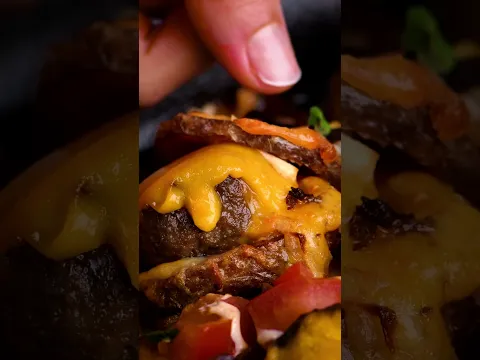 0:46
0:46Get a load of these cheeseburger fries 🍔🍟
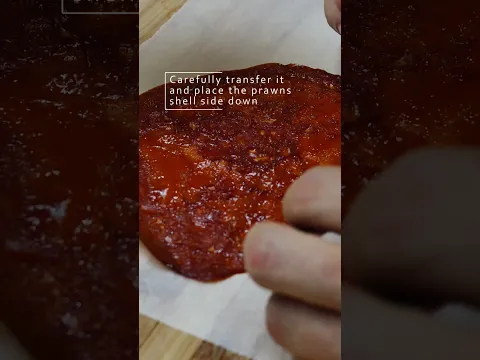 0:38
0:38Edible Fossil Chips Made From Prawn and Duck
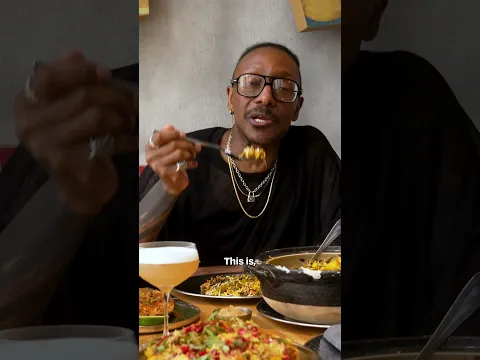 1:20
1:20Why Gregory Gourdet loves the Biryani at NYC's Dhamaka #nyc #eater
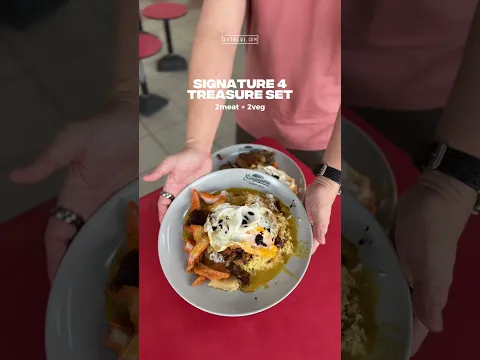 0:18
0:18curry rice is easily my go-to choice for lunch!!🍛 #singapore #sgfoodie #hawkerfood #affordable
 9:00
9:00We Turned Fresh Catfish Into Patties!
 2:56
2:56