[ENG SUB]How to Beautifully Filet a Pacific Saury (Sanma)│Learn From Michelin Starred Japanese Chef
15 August 2026 · 10:08 watch
Advertisement
Master the delicate art of filleting Pacific saury (sanma) with this step-by-step masterclass from a Michelin-starred Japanese chef, focusing on precision knife skills and delicate flesh handling.
Key takeaways
- Keep hand contact minimal and work quickly to prevent the high oil content from softening under hand heat.
- Utilise a single, fluid stroke along the spine to prevent tearing the fragile flesh of the saury.
- Angle the knife flat against the rib cage to cleanly shave away the fine bones without sacrificing belly yield.
- Frequently clean the blade and board to prevent scales and moisture from compromising the raw fish quality.
Mastering the Delicate Art of Sanma Prep\n\nPacific saury, known affectionately as sanma in Japan, is a highly celebrated autumn delicacy prized for its rich, oily profile and distinctive flavour. Preparing this slender, delicate fish requires a highly refined approach to butchery and knife skills. In this demonstration, a Michelin-starred Japanese chef from Toyonaka Sakurae shares the precise techniques required to fillet saury beautifully, helping professional chefs expand their seasonal seafood repertoire.\n\nThe key challenge when handling sanma lies in its soft, easily bruised flesh. Unlike firmer round fish, saury must be handled with minimal physical contact to prevent the degradation of its delicate texture. Keeping both the fish and the prep surface chilled is essential, as the high oil content of the fish means that heat from a chef's hands can quickly soften the fat, spoiling the clean finish of the fillets. Additionally, maintaining a razor-sharp deba or yanagiba knife is non-negotiable for achieving the clean, reflective cuts characteristic of high-end Japanese dining.\n\n## Precision Knife Work and Bone Removal\n\nThe filleting process begins with a precise, angled incision behind the pectoral fin, cutting down to the spine without severing it completely. Using the spine as a guide, the chef slides the knife smoothly along the backbone in a single, fluid motion. This minimises friction and prevents the tearing of the flesh. A common pitfall for western-trained chefs is applying too much downward pressure; instead, the blade should do the work, gliding effortlessly to produce a pristine fillet.\n\nRemoving the exceptionally fine rib bones requires a delicate touch. The chef demonstrates how to place the blade flat against the rib cage, shaving the bones away while preserving the thin belly walls. Throughout the prep, cleanliness is vital. The chef constantly wipes the knife and cutting board to ensure that scales, blood, and moisture do not contaminate the finished fillets. This rigorous hygiene ensures the fish is in perfect condition for raw preparations such as sashimi and nigiri, or for pristine grilling.
Questions from the pass
Frequently asked questions
Why is it important to work quickly when filleting Pacific saury?
You must work quickly because Pacific saury has a high oil content and soft flesh. If handled too much or left at room temperature, the natural fats will begin to melt and the flesh will bruise, degrading the clean texture and appearance required for professional presentation.
What type of knife is best suited for filleting sanma?
A traditional, razor-sharp Japanese knife like a deba or a flexible filleting knife is ideal. The single-bevel edge of a Japanese knife allows for extremely precise cuts close to the bone, minimizing wastage and preserving the delicate skin of the fish.
How do you prevent tearing the delicate belly of the saury during deboning?
To avoid tearing, position your blade flat against the rib cage and glide it gently underneath the bones in a shaving motion. Applying too much downward pressure will puncture the thin belly walls, so let the sharpness of the knife do the work.
Can this filleting technique be applied to other small oily fish?
Yes, this technique is highly transferable to other small, slender oily fish such as mackerel, sardines, and herrings. These species share a similar bone structure and delicate flesh, making gentle handling and precise rib removal equally essential.
Main ingredients
Original video by Japanese Top Chefs. This overview is written independently by The Chef's Circle editorial desk — watch the original on YouTube.
Keep reading
Related from the Community
 1:16
1:16How a Sushi Master Makes Sushi
 0:38
0:38Stop Crying When Cutting Onions: Genius Kitchen Hack! #chefdez #cooking #cuttingonions #onions
 1:25
1:25Fine dining starts with the right tools 🔪#ICECulinary #FineDining #ChefTools #CulinarySchool #Chef
 1:39
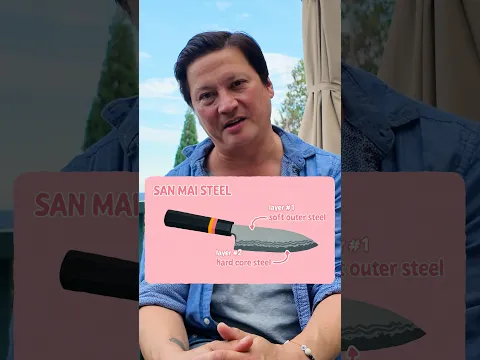
1:39San Mai Steel: Why It Works for Kitchen Knives
 3:01
3:01Here’s what really happens when you hone a knife
 0:50
0:50