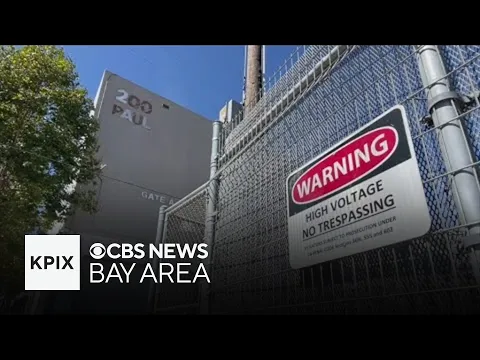
Santa Rosa police chief supports continued use of ALPR cameras
18 September 2026 · 3:56 watch
Advertisement
While policy updates from local police chiefs may seem far removed from the kitchen pass, local security technology directly impacts late-night staff safety and restaurant logistics. This editorial explores how regional safety tools like automated license plate readers support urban food businesses.
Key takeaways
- Assess local municipal security infrastructure to plan safer late-night shift handovers and staff departure routes.
- Align restaurant external CCTV placement to complement municipal safety systems like ALPRs.
- Coordinate with local business associations to understand how regional policing tech protects delivery networks.
- Use community safety data to reassure late-night dining patrons and protect high-value stock drop-offs.
Municipal Safety on the Late Shift\n\nWhen running a busy professional kitchen, the safety of your brigade after a gruelling double shift is paramount. Santa Rosa Police Chief John Cregan's advocacy for Automated License Plate Readers (ALPRs) highlights a growing trend in municipal technology that directly intersects with daily hospitality operations. For head chefs managing late closes, local security infrastructure acts as an external layer of safety for staff leaving the kitchen in the early hours of the morning. Knowing that local law enforcement utilises automated systems to monitor high-traffic commercial zones offers peace of mind to kitchen teams walking to their vehicles with cash tips and personal belongings after a high-pressure service.\n\n## Delivery Logistics and Local Infrastructure\n\nBeyond staff welfare, digital tracking systems influence how we manage our supplier and delivery networks. A secure, heavily monitored restaurant district deters opportunist crime, protecting valuable delivery vans and premium ingredient shipments arriving before dawn. When local police implement these systems successfully, it stabilises the local trading environment, ensuring that high-value stock—from dry-aged beef to expensive kitchen kit—remains secure during transit and late-night drop-offs.\n\n## Managing Risk in Urban Restaurant Districts\n\nOperating a successful venue relies on more than just excellent plates of food; it requires a stable, safe environment for your patrons and staff alike. When municipal authorities invest in automated technologies like plate readers, they directly reduce the operational risks associated with urban dining districts. For restaurant owners, this translates to lower insurance premiums over time, reduced vandalism around the premises, and a more welcoming atmosphere for guests who might otherwise hesitate to visit downtown locations after dark. Engaging with local law enforcement plans allows businesses to align their own CCTV and security protocols with municipal networks, building a safer ecosystem for everyone.
Questions from the pass
Frequently asked questions
How does municipal security technology like ALPR affect a restaurant's daily operations?
It primarily impacts safety logistics and risk management. With automated monitoring in commercial districts, late-night kitchen staff can depart the premises with greater security, and suppliers experience fewer disruptions during early morning deliveries of expensive ingredients.
Should a restaurateur integrate private kitchen security with local police systems?
Yes, aligning your restaurant's external CCTV with local municipal safety initiatives improves overall security. It helps create a safer environment for both your front-of-house team and diners during late-night operations.
What steps can a kitchen manager take to utilise local safety updates?
Keep open lines of communication with local business associations and law enforcement. Understanding active surveillance zones helps you plan safer staff parking arrangements and design secure delivery protocols for high-value goods.
Does improved local security infrastructure influence food supply chains?
Indirectly, yes. Safer delivery routes and secure loading bays mean fewer losses of premium stock and reduced transit delays, helping to maintain strict kitchen timings and ingredient freshness.
Original video by KPIX | CBS NEWS BAY AREA. This overview is written independently by The Chef's Circle editorial desk — watch the original on YouTube.
Keep reading
Related from the Community
 1:53
1:53Wednesday morning First Alert Weather forecast 9/16/26
 62:11
62:11CBS News Bay Area 8am (9-16-2026)
 32:50
32:50The Largest Buffet In America Serves 10,000+ People A Day
 17:46
17:46I Don’t Know Where This Is Going
 3:33
3:33Watch: Scene of double fatal crash in Brentwood
 4:30
4:30