How to make Pumpkin Sourdough Bread #recipe #pumpkin #sourdough #fallvibes #fallrecipes
24 September 2026 · 2:40 watch
Advertisement
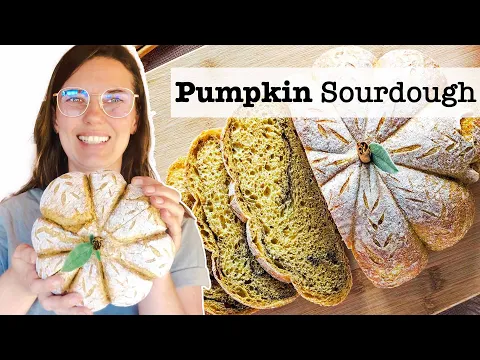
Learn how to formulate and shape pumpkin sourdough bread, utilising pumpkin puree to add natural colour, moisture, and a seasonal twist to artisanal loaves.
Key takeaways
- Pumpkin puree introduces both natural orange colour and significant moisture, requiring careful hydration management.
- The loaf can be shaped as a traditional boule or bound with baker's twine to bake into a decorative pumpkin shape.
- Starches in the pumpkin puree tenderise the crumb, resulting in a softer texture than standard rustic country loaves.
Introducing autumn-themed bakes to your restaurant or bakery rotation requires a balance of visual appeal and reliable crumb structure. Leelalicious showcases a seasonal variation on the classic sourdough loaf by incorporating pumpkin puree directly into the dough mix. This technique does more than just introduce a vibrant orange hue to the crumb; it also alters the dough's hydration and texture, offering a soft, moist finished product that holds up well during service.
Hydration Dynamics with Vegetable Purees
Adding pumpkin puree to a sourdough formula is more than an aesthetic choice. Pumpkin is naturally high in water content, which means it contributes to the overall hydration profile of your dough. Professional bakers must treat the puree as part of the wet percentage rather than a simple inclusion. This vegetable-derived moisture helps tenderise the crumb, yielding a softer texture than standard rustic country loaves, while the natural sugars and starches in the pumpkin provide a subtle, earthy flavour profile.
When preparing this dough, the primary technical challenge lies in managing this moisture. Because different brands and batches of pumpkin puree contain varying percentages of water, you must monitor the dough's consistency during the initial mix. Ensure the gluten network is sufficiently developed to support the added weight of the puree, preventing the structure from collapsing during the bulk fermentationFermentationA biological process in which microorganisms transform sugars and other compounds, creating acidity, gas, alcohol or complex flavours. and proofing stages.
Shaping and Presentation for Service
For service, this dough offers excellent versatility in presentation, making it a valuable addition to seasonal bread baskets or retail displays. Bakers can process this dough in two distinct ways:
- The Classic Boule: A traditional round shape that keeps the focus on the striking contrast between a dark, blistered crust and the bright orange interior crumb.
- The Decorative Pumpkin: For a high-impact presentation, the dough can be bound loosely with oiled baker's twine before the bake. As the loaf expands in the oven, the twine restricts growth along specific lines, naturally forming the ribbed segments of a pumpkin.
Whichever path you choose, this recipe provides a straightforward method for injecting seasonal interest into your artisanal bread selection without sacrificing the complex sour notes of a slow-fermented dough.
Questions from the pass
Frequently asked questions
How does pumpkin puree affect the hydration of sourdough dough?
Pumpkin puree contains a high percentage of water, which directly increases the dough's total hydration. Bakers must treat the puree as a liquid component rather than a solid inclusion. If your dough feels too wet or slack during mixing, you may need to slightly reduce the initial water content to compensate for the puree's moisture.
What is the best way to shape the dough into a pumpkin shape?
To achieve a pumpkin shape, wrap oiled baker's twine loosely around the shaped boule, dividing it into six or eight equal segments. Tie the string at the top, leaving enough slack for the dough to expand. During the oven spring, the dough will puff out around the twine, creating the classic ribbed appearance.
Can I use fresh pumpkin instead of canned puree?
Yes, you can use fresh pumpkin puree, but you must ensure it is thoroughly drained. Fresh puree often holds more water than canned varieties, which can throw off your hydration ratios. Steam or roast the pumpkin, blend it smooth, and strain it through cheesecloth before incorporating it into the dough.
How do you prevent the baker's twine from sticking to the loaf?
Thoroughly coat the baker's twine in a neutral oil or dust it with flour before wrapping it around the dough. This prevents the expanding dough from baking into the fibres of the string, allowing you to easily snip and gently peel the twine away once the bread has cooled.
Main ingredients
Original video by Leelalicious. This overview is written independently by The Chef's Circle editorial desk — watch the original on YouTube.
Keep reading
Related from the Community
 8:52
8:52How Jack Daniel's Whiskey and New Balance Sneakers Are Really Made | Made In America |Travel Channel
 7:36
7:36Pumpkin Sourdough Bread
 1:44
1:44This is the Best Bar in Europe
 1:17
1:17Inside Line in Athens
 0:30
0:30Nothing Goes to Waste in This Kitchen, Not Even a 45-Day Onion
 19:51
19:51