Technique

Fermentation

Practical fermentation guides and ratios for professional kitchens, covering lacto-ferments, koji, garums, and vinegars.

Fermentation is no longer just a preservation sideline; it is a fundamental kitchen tool for building deep umami, managing food waste, and controlling acidity. This category covers the essential methods every professional kitchen can implement, from simple wild lacto-fermentation to advanced koji cultivation, garums, and custom vinegars.\n\nPrecision is the difference between a brilliant ferment and a wasted batch. A minor calculation error in your salt ratio can turn a clean lactic ferment into a ruined prep bin. We focus on the hard numbers: maintaining strict 2% to 3% salt percentages for lacto-ferments, managing pH levels, and controlling temperature and oxygen exposure to eliminate bad molds.\n\nIn this section, you will find practical guides, chef-tested ratios, and troubleshooting advice to help you run a safe, consistent fermentation program. We cover the setup of fermentation chambers, how to turn trim into amino sauces, and the techniques needed to work with koji and vinegar mothers safely in a commercial environment.

Shorts & reels

Quick hits from the pass

Sixty-second clips — one idea, one trick, no preamble.

Questions from the pass

Fermentation: frequently asked

What is the correct salt ratio for lacto fermentation?

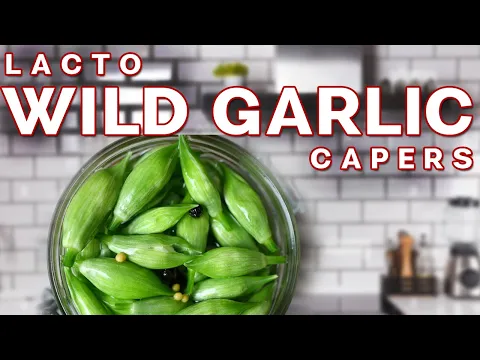
For most vegetables like wild garlic or plums, use a 2% salt-to-weight ratio. Weigh your ingredients, calculate 2% of that weight in sea salt, mix thoroughly, and pack into a sterilised jar with a fermentation lock. Ferment at 18-22°C for 5 to 7 days until the pH drops below 4.6.

What temperature to grow koji on pearl barley?

To inoculate pearled barley with Aspergillus oryzae, maintain a chamber temperature of 30°C with 80-90% humidity. After 18 hours, the spore activity generates its own heat; monitor closely and stir to keep the substrate temperature below 40°C. The process takes 48 hours, resulting in a sweet, earthy, white mycelium cake.

How to make beef garum safely in a restaurant?

Roast beef trimmings, mix with koji, water, and 12-15% salt by total weight to inhibit pathogens. Keep the mixture in a hold-holding cabinet or water bath at 55-60°C for 60 days. This heat activates the enzymes while keeping the environment safe. Strain through cheesecloth to yield a deep, umami-rich liquid seasoning.

How to turn leftover wine into vinegar?

Dilute leftover wine to roughly 6-8% ABV using filtered water, as high alcohol kills acetic acid bacteria. Add a live vinegar mother or raw, unpasteurised cider vinegar at a 20% ratio. Cover with muslin and store at 20-25°C with good airflow. A clean, sharp table vinegar develops in 2 to 3 months.

How do you know when a ferment is safe to serve?

Use a calibrated digital pH meter to test the ferment. For safety against pathogens like Clostridium botulinum, the pH must read 4.6 or below, though 3.5 to 4.2 is ideal for flavour. Check that there is no mould, off-odours, or gas build-up in vacuum packs, ensuring a clean, sour profile before service.

The library is just the prep work

Step off the pass. Join the network.

A free account on The Chef's Circle app gets you a professional portfolio, a way in with chefs and kitchens across our 1.6 million-strong following, and a cut of the ad revenue on the content you make.