Pumpkin Sourdough Bread
21 September 2026 · 7:36 watch
Advertisement
A professional look at integrating pumpkin purée into sourdough baking, focusing on hydration management, preferment balance, and seasonal shaping techniques.
Key takeaways
- Pumpkin purée introduces complex starches that alter standard dough hydration and gluten behaviour.
- An overnight preferment with whole wheat flour provides structural acidity to support vegetable purée additions.
- A slow, cool fermentation is essential if incorporating sugars or dried fruits to prevent over-proofing.
- Decorative shaping with twine yields a themed, ribbed boule suited for autumn centerpieces.
Incorporating vegetable purées into sourdough production is an excellent way to introduce natural moisture, rich colour, and subtle flavour to artisanal loaves. This editorial looks at a practical formula for a pumpkin sourdough bread from Leelalicious. Using an overnight, no-kneadKneadTo work dough mechanically to develop gluten and structure. technique, the recipe balances the high moisture content of pumpkin puréePuréeFood processed until smooth by blending, mashing or passing through a sieve. with a structured preferment to yield a striking, golden-orange crumb suitable for seasonal autumn menus.\n\n## Managing Hydration with Vegetable Purées\nThe primary challenge when working with pumpkin purée in dough-making is managing hydration. Purée is not a direct substitute for water; it contains soluble solids, fibre, and varying water content depending on the brand or roast. In this formula, the baker uses a stiff preferment built from equal parts filtered water and whole wheat flour, inoculated with a small amount of active starter. This provides a robust, acidic base that helps strengthen the gluten network of the main dough.\n\nWhen mixing the final dough, the hydration relies heavily on the moisture locked within the pumpkin purée. All-purpose flour is combined with the purée, salt, and spices. Because pumpkin contains starches that hold water tightly, the dough behaves differently from a standard high-hydration sourdough. It remains supple and highly extensible, requiring careful handling to prevent tearing during shaping.\n\n## Shaping and FermentationFermentationA biological process in which microorganisms transform sugars and other compounds, creating acidity, gas, alcohol or complex flavours. Variables\nTo enhance the visual appeal, the dough can be shaped into a traditional round boule or tied with baker's twine to create a ribbed, pumpkin-like appearance as it expands in the oven. For high-volume kitchens, the overnight, no-knead method simplifies the schedule, allowing the bulk fermentation to occur slowly at cooler room temperatures or in retardation.\n\nHowever, bakers must exercise caution if adding the optional brown sugar and raisins. Sugars speed up fermentation by feeding the wild yeasts, which can lead to over-proofing if bulk fermentation temperatures are too warm. Spices like cinnamon and pumpkin pie spice can also inhibit yeastYeastA microorganism used to ferment sugars and produce carbon dioxide, particularly in bread-making. activity slightly if used in excess. Maintaining strict temperature controls during the overnight rest is critical to achieving a consistent oven spring and the desired open crumb structure.
Questions from the pass
Frequently asked questions
How does pumpkin puree affect the hydration of sourdough dough compared to water?
Pumpkin puree introduces water wrapped in plant fibres and starches, meaning it does not hydrate flour the same way pure liquid does. It softens the gluten structure while adding substantial moisture, resulting in a highly extensible dough that requires careful handling to maintain structural integrity during the shaping stage.
Can I substitute the all-purpose flour with bread flour in this recipe?
Yes, you can substitute bread flour to improve the structural strength of the dough. Bread flour has a higher protein content than all-purpose flour, which helps build a stronger gluten network to support the heavy, moisture-laden pumpkin puree and any optional inclusions like raisins.
How do spices like cinnamon affect sourdough fermentation?
Spices, particularly cinnamon, contain antimicrobial compounds that can slow down yeast and bacterial activity in your sourdough starter. When adding pumpkin pie spice to the dough, keep the quantities precise to avoid sluggish fermentation, especially during the long, overnight bulk rise.
What is the benefit of using an overnight preferment for this loaf?
An overnight preferment allows for deep flavour development and strengthens the dough structure through natural acidity. By pre-fermenting a portion of the flour and water with the starter, you create a more stable base that can better support the heavy pumpkin puree added during the main mix.
Main ingredients
Original video by Leelalicious. This overview is written independently by The Chef's Circle editorial desk — watch the original on YouTube.
Keep reading
Related from the Community
 2:40
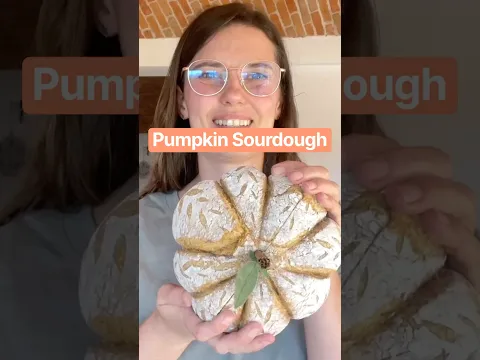
2:40How to make Pumpkin Sourdough Bread #recipe #pumpkin #sourdough #fallvibes #fallrecipes
 8:52
8:52How Jack Daniel's Whiskey and New Balance Sneakers Are Really Made | Made In America |Travel Channel
 1:44
1:44This is the Best Bar in Europe
 1:17
1:17Inside Line in Athens
 0:30
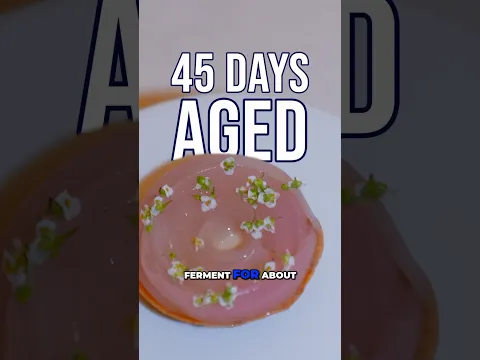
0:30Nothing Goes to Waste in This Kitchen, Not Even a 45-Day Onion
 19:51
19:51