The Art of Foie Gras | Duet by David Toutain
10 September 2026 · 0:15 watch
Advertisement
Discover how chef David Toutain balances rich seared foie gras with a technical glaze and textured spiced crumble at Duet in Bangkok.
Key takeaways
- Ensure the foie gras is thoroughly chilled before searing to lock in the fat and secure a crisp crust.
- Apply the glaze immediately after searing to allow residual heat to set a smooth, glossy coating.
- Introduce a dry, spiced crumble to provide crucial textural contrast and prevent palate fatigue.
- Maintain a high-heat, rapid-sear technique to brown the exterior quickly without over-rendering the interior.
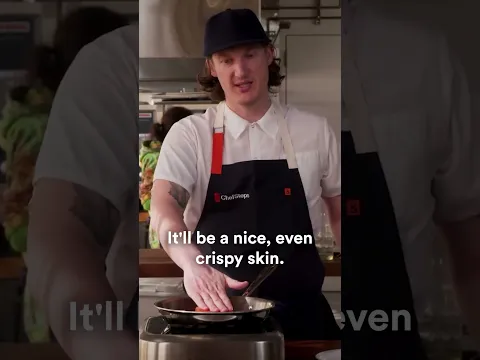
At Duet in Bangkok, chef David Toutain demonstrates how to handle one of the classic pillars of fine diningFine DiningA restaurant style associated with formal service, detailed presentation and technically executed cuisine.: foie grasFoie GrasA rich preparation made from the enlarged liver of ducks or geese.. Rather than relying on traditional heavy fruit compotes, this preparation focuses on structural contrast, marrying a perfectly seared and glazed core with a highly textured spiced crumble. It is an exercise in quiet precision, balancing rich fat with sharp texture and warm spice. For professional kitchens, executing foie gras at this level demands strict consistency; it is not merely about cooking the ingredient but understanding how temperatures affect its delicate structure during service.
Mastering the Sear and Glaze
Achieving the correct finish on foie grasFoie GrasA rich preparation made from the enlarged liver of ducks or geese. requires meticulous temperature control. The goal is a deeply caramelised exterior crust that seals in the rich interior before the fat renders completely. To prevent the liver from disintegrating, chefs must ensure the protein is well-chilled before it hits the pan. A cold start allows the exterior to brown rapidly while keeping the centre intact. Searing must be swift and executed in a highly heated pan without crowding.
Once the initial searSearTo expose food to high heat to develop a browned exterior. is achieved, the liver is coated in a glazeGlazeA shiny coating applied to food to add flavour, colour, moisture or visual finish.. This glaze serves a dual purpose: it seals the surface, maintaining structural integrity, and introduces a concentrated burst of flavour that cuts through the inherent richness of the liver. The glazing process must be timed perfectly; applying it too early can ruin the crisp sear, while applying it too late prevents the glaze from adhering and setting properly under residual heat.
Structural Balance through Spiced Crumble
A common pitfall when serving foie grasFoie GrasA rich preparation made from the enlarged liver of ducks or geese. is palate fatigue caused by excessive richness. Toutain counters this by introducing a dry, textured element in the form of a spiced crumble. Positioned underneath or alongside the glazed liver, the crumble provides a necessary structural contrast to the buttery, melting texture of the hot foie gras.
The selection of spices must be carefully managed; warm, aromatic notes work best to complement rather than overpower the delicate flavour of the liver. By focusing on both the textural interplay and the precise execution of the glazeGlazeA shiny coating applied to food to add flavour, colour, moisture or visual finish., chefs can present a balanced, modern dish that respects classic technique while adapting to contemporary tastes.
Questions from the pass
Frequently asked questions
How do you prevent foie gras from melting completely during cooking?
Ensure the portioned liver is thoroughly chilled before searing. Cooking it straight from the fridge in a smoking-hot pan creates a rapid caramelised crust, which seals the exterior and locks in the delicate fat before the interior overcooks.
What is the purpose of adding a glaze to seared foie gras?
A glaze seals the seared surface and adds a concentrated layer of flavour to cut through the fat. This technique creates a glossy, visually striking finish on the plate while balancing the rich, buttery profile of the liver.
Why is a spiced crumble served alongside the liver?
A spiced crumble provides essential textural contrast to balance the meltingly soft texture of the hot foie gras. This dry, crunchy element helps prevent palate fatigue, making the rich dish much more balanced and enjoyable throughout service.
At what temperature should you pan-sear foie gras?
Use a dry, highly heated pan over medium-high to high heat. The pan must be hot enough to sear the liver instantly on contact, rendering just enough fat to lubricate the pan without boiling the protein.
Original video by MICHELIN Guide. This overview is written independently by The Chef's Circle editorial desk — watch the original on YouTube.
Keep reading
Related from the Community
 5:28
5:28Stop Adding Oil First—This Makes Mushrooms Golden Brown | Japanese Chef
 3:00
3:00Steak and egg on 1 steel pan
 47:23
47:23Jamie Oliver's Chicken Recipes & Ideas To Try This Weekend
 0:27
0:27How To Fry The Perfect Steak #howto #shorts
 13:46
13:469 astuces pour améliorer facilement tous vos plats dès maintenant
 1:38
1:38