Hot Ones Wings
15 August 2026 · 0:25 watch
Advertisement
Learn the professional techniques behind perfecting ultra-crispy chicken wings and emulsified hot glazes inspired by the legendary Hot Ones format, featuring Nick DiGiovanni and guests.
Key takeaways
- Dry chicken wings thoroughly and use a light starch coating to guarantee a blistered, crispy skin.
- Emulsify high-heat hot sauces with melted butter to create a glossy, cohesive glaze that clings to the meat.
- Utilise separate tossing bowls for different heat levels to prevent capsaicin cross-contamination.
- Implement a par-frying workflow to handle high-volume wing service efficiently without losing final texture.
Master the Ultimate Crispy Wing
Achieving the perfect texture on a chicken wing is a fundamental skill for any high-volume kitchen. To mimic the iconic "Hot Ones" style, the focus must be on dual-temperature frying or achieving high-heat crispiness that allows the skin to blister while keeping the interior juicy. Proper prep begins with thorough drying of the skin, often achieved by air-chilling or using a light dusting of starch to draw out residual moisture. This prevents steam-cooking in the fryer, ensuring a crunch that holds up even after being heavily sauced.
Emulsifying Heat and Balancing Glazes
The real secret to the Hot Ones challenge lies in the sauce application. Throwing raw hot sauce onto a fried wing often results in a soggy, broken mess. To glazeGlazeA shiny coating applied to food to add flavour, colour, moisture or visual finish. the wings properly, chefs must emulsifyEmulsifyTo combine normally immiscible liquids, such as oil and water, into an emulsion. the hot sauces with a fat source—typically unsalted butter—to create a cohesive coating that clings to the crispy exterior. This technique tempers the volatile capsaicin slightly, creating a smooth, velvety mouthfeel while providing a glossy sheen that enhances visual appeal on the pass. Managing the progression of heat, from mild jalapeño-based starters to tongue-numbing extract-based sauces, requires precise portioning and separate tossing bowls to maintain flavour integrity.
High-Volume Execution and Collaboration
When executing a themed wing night or high-impact menu item in a professional kitchen, speed and consistency are critical. Pre-cooking or par-frying the wings allows for rapid finishing during service, dropping them into high-heat oil for a quick crisp before plating. This high-profile collaboration highlights how distinct culinary perspectives can lift a simple pub classic into a theatrical dining experience. For a commercial kitchen, this translates to keeping your station highly organised, having dedicated tossing vessels for different heat levels to avoid cross-contamination, and ensuring that every single portion is served piping hot.
Questions from the pass
Frequently asked questions
What is the best way to ensure chicken wings stay crispy after saucing?
The secret to long-lasting crispiness lies in removing surface moisture before cooking. Dusting the wings lightly with potato starch or cornflour and letting them air-dry in the fridge creates a micro-textured surface. When deep-fried, this barrier prevents the sauce from immediately penetrating and softening the skin.
How do you emulsify hot sauces to coat wings evenly?
To create an even coating, gently warm your hot sauce and whisk in cold, cubed butter off the heat. This process creates a stable emulsion that clings beautifully to the fried wings. If the sauce is too watery, it will pool at the bottom of the bowl instead of glazing the chicken.
Why is it important to use separate bowls for different wing sauces?
Cross-contamination of capsaicin can ruin a diner's experience, especially when serving a range of heat levels. Using dedicated tossing bowls and tongs for each sauce level prevents residual extreme heat from transferring to milder wings. This ensures the intended flavour profile and heat progression remain accurate.
Can wings be prepared in advance for a busy service?
Yes, par-frying is the industry standard for high-volume wing service. Fry the wings at a lower temperature until cooked through but not browned, then drain and chill. When an order comes in, flash-fry them at a higher temperature for a few minutes to crisp the skin and heat them through.
Main ingredients
Original video by Nick DiGiovanni. This overview is written independently by The Chef's Circle editorial desk — watch the original on YouTube.
Keep reading
Related from the Community
 0:46
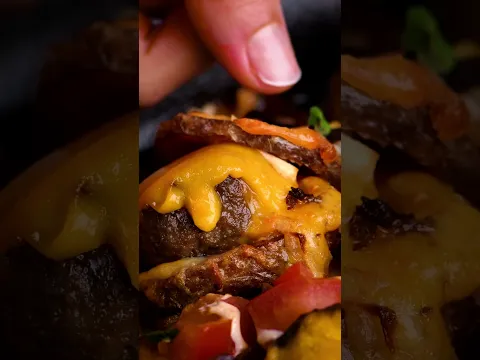
0:46Get a load of these cheeseburger fries 🍔🍟
 0:53
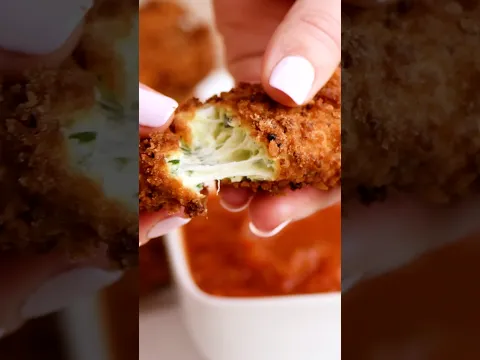
0:53The crunchy and cheesy goodness of a mozzarella stick combined with spinach artichoke dip 🧀✨
 0:38
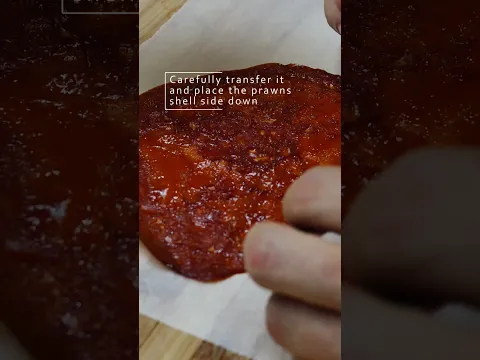
0:38Edible Fossil Chips Made From Prawn and Duck
 1:20
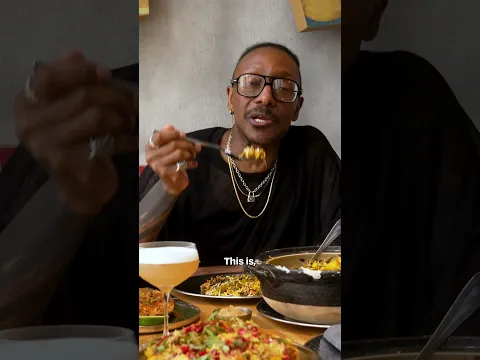
1:20Why Gregory Gourdet loves the Biryani at NYC's Dhamaka #nyc #eater
 0:18
0:18curry rice is easily my go-to choice for lunch!!🍛 #singapore #sgfoodie #hawkerfood #affordable
 9:00
9:00