Every Way To Cook A Potato (43 Ways)
15 August 2026 · 34:24 watch
Advertisement
Explore 43 professional ways to cook a potato with Joshua Weissman. Master starch retrogradation, alkaline par-boiling, and dual-temperature frying.
Key takeaways
- Alkaline par-boiling creates a starch slurry on the potato surface, leading to an incredibly crispy exterior when roasted.
- Starch retrogradation via cooling after the first boil structurally stabilises potatoes, making them ideal for dual-stage frying.
- Emulsifying cold fat into hot, riced potatoes prevents grease separation, ensuring a silky, velvety texture.
- Thin lamination combined with weighted pressing and chilling allows for highly structured, crispy preparations like the thousand-layer potato.
The humble potato remains one of the most versatile and cost-effective ingredients in the professional kitchen. In this comprehensive exploration of potato cookery, Joshua Weissman demonstrates forty-three distinct methods for preparing this essential tuber. For a professional chef, this acts as a valuable masterclass in starch manipulation, structural integrity, and texture development. By understanding how different thermal processes affect the cellular structure of the potato, chefs can lift standard side dishes into standout menu components.
Mastering Starch and Moisture Control
The secret to flawless potato cookery lies in the precise control of starch and moisture. Weissman’s techniques highlight how par-boiling in alkaline or acidic water alters the potato’s exterior structure. Boiling in salted water gelatinises the starch, creating a delicate slurrySlurryA mixture of starch and cold liquid used to thicken sauces, soups or gravies. on the surface that, when roasted or fried, yields an exceptionally crisp crust. Conversely, cooling potatoes post-boiling encourages retrogradation—where starch molecules crystallise—making them sturdier and less likely to break apart during subsequent deep-frying or pan-searing. Understanding when to rinse away surface starch (essential for distinct, clean cuts like French fries) versus when to retain it (crucial for binding gnocchiGnocchiSmall dumplings traditionally made from potato, flour and sometimes egg. or thickening potato-based casseroles) is a fundamental skill that separates average prep from professional execution.
Texture Lamination and Emulsification
Beyond basic roasting and boiling, the modern kitchen demands a mastery of advanced textures. Weissman showcases preparations ranging from the classic, ultra-smooth potato puréePuréeFood processed until smooth by blending, mashing or passing through a sieve.—which requires a high ratio of cold butter emulsified into hot, riced potatoes—to the complex, multi-tiered structural build of the thousand-layer potato. This latter technique relies on paper-thin laminationLaminationFolding butter through dough to create alternating layers, as used for croissants and puff pastry., precise fat distribution, pressing, chilling, and portioning before a final deep-fry. The video also covers dual-temperature frying, a critical technique for achieving a glass-like exterior and a pillowy interior in chips. By manipulating temperature gradients and fats, from duck fat to neutral oils, chefs can tailor the flavour profile and mouthfeel of each dish to complement their wider menu.
Ultimately, mastering these forty-three techniques allows chefs to optimise kitchen efficiency, control food waste, and diversify their menus with innovative starch textures. From the simplicity of a perfectly baked jacket potato to the complexity of a molecular gel, understanding the science of the potato lifts a humble crop into a vehicle for culinary artistry.
Questions from the pass
Frequently asked questions
Why is cooling potatoes after par-boiling recommended before frying?
Cooling potatoes triggers starch retrogradation, which strengthens the cellular structure of the tuber. This physical change ensures the potato retains its shape during the high-heat frying process and helps develop a crisper outer crust. It also reduces excess moisture, preventing the interior from becoming waterlogged.
How does alkaline water affect roasted potatoes during the par-boiling stage?
Boiling potatoes in slightly alkaline water breaks down the pectin on the exterior, creating a starchy slurry. When roasted, this starchy layer caramelises and crisps up far more efficiently than a smooth surface would. This technique produces an incredibly crunchy exterior with a contrastingly fluffy interior.
What is the key to preventing a gummy texture in mashed potatoes?
To avoid a gummy texture, minimise starch agitation by using a potato ricer or food mill instead of a food processor. Mechanical blending ruptures the starch cells, releasing amylose which turns the mixture gluey. Gently folding in cold butter and warm milk preserves the delicate starch structure.
Why is dual-temperature frying essential for perfect French fries?
Dual-temperature frying cooks the potato in two distinct stages to achieve contrasting textures. The first low-temperature fry cooks the interior through to a soft, pillowy consistency without colouring the outside. The second high-temperature fry rapidly crisps and browns the exterior, sealing in the fluffy core.
Original video by Joshua Weissman. This overview is written independently by The Chef's Circle editorial desk — watch the original on YouTube.
Keep reading
Related from the Community
 0:46
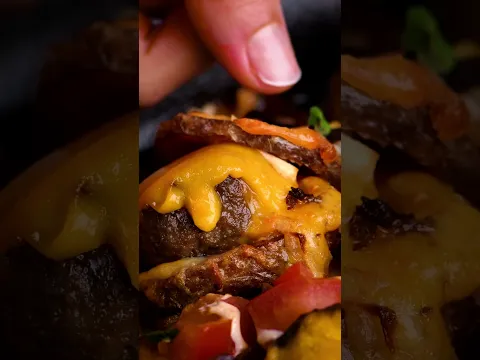
0:46Get a load of these cheeseburger fries 🍔🍟
 0:53
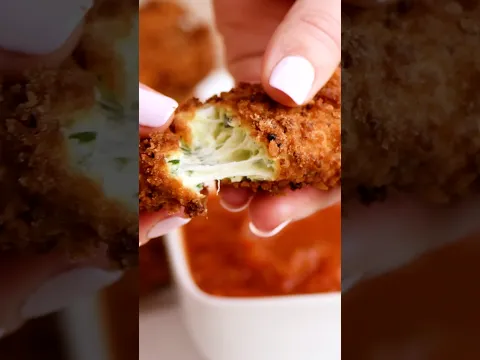
0:53The crunchy and cheesy goodness of a mozzarella stick combined with spinach artichoke dip 🧀✨
 0:38
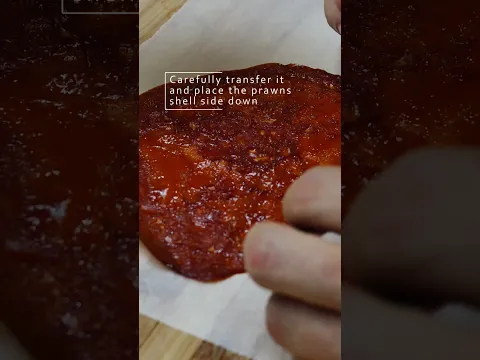
0:38Edible Fossil Chips Made From Prawn and Duck
 1:20
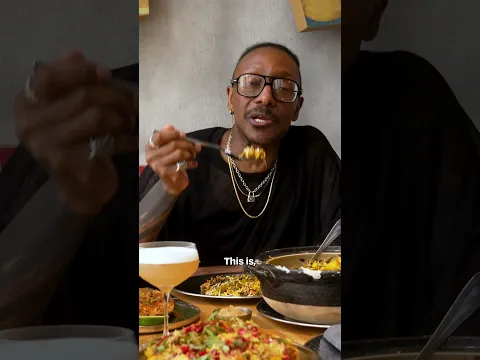
1:20Why Gregory Gourdet loves the Biryani at NYC's Dhamaka #nyc #eater
 0:18
0:18curry rice is easily my go-to choice for lunch!!🍛 #singapore #sgfoodie #hawkerfood #affordable
 9:00
9:00