The Secret To Cooking Thai Like a Thai...is Ingredients!
15 August 2026 · 18:28 watch
Advertisement
Mastering the Thai larder is the foundation of authentic Thai cuisine. Chef Pailin Chongchitnant breaks down the essential sauces, aromatics, and pantry staples required to replicate genuine Thai flavour profiles in a professional kitchen.
Key takeaways
- Aromatics like lemongrass, galangal, and kaffir lime leaves must be bruised, not finely chopped, to properly infuse broths.
- Add fresh lime juice off the heat at the very end of cooking to prevent the acidity and bright top notes from turning bitter.
- Use authentic Thai light soy sauce and palm sugar instead of generic substitutes to maintain regional flavour profiles.
- Select additive-free coconut milk to allow the fat to separate and fry curry pastes effectively during preparation.
Understanding the core larder of Thai cuisine is the first step toward achieving authentic flavour profiles. In this masterclass, chef Pailin Chongchitnant details the essential ingredients that define the Thai palate, explaining how a well-stocked station enables rapid, precise execution during service. For professional chefs looking to integrate genuine Thai elements into their menus, mastering these foundational components is far more critical than learning complex culinary techniques.
Balancing the Five Elements of Flavour
Thai cuisine relies on a delicate tension between salty, sweet, sour, spicy, and umamiUmamiThe savoury taste associated with compounds such as glutamate and certain nucleotides. elements. To achieve this balance, a chef must understand how various liquids and pastes behave under heat. Fish sauce acts as the primary source of salt and deep umami, whilst oyster sauce adds body and savoury sweetness to stir-fries. Soy sauces—including light, dark, and sweet varieties—cannot simply be substituted with Western or Chinese equivalents; Thai light soy sauce has a distinct flavour profile that is crucial for regional authenticity.
For sweetness, palm sugar is preferred over white sugar for its complex, caramel-like undertones. Acidity is driven by two distinct sources: the sharp, fresh bite of lime juice, which is typically added off the heat to preserve its volatile aromatic oils, and the deep, fruity tang of tamarind paste, which withstands long simmering in curries and soups.
Managing Heat and Aromatics
A common pitfall in Western kitchens is the improper handling of Thai chillies and fresh aromaticsAromaticsIngredients such as onions, garlic, celery, herbs and spices used to build flavour in a dish.. The "Tom Yum Trinity"—comprising lemongrass, galangal, and kaffir lime leaves—forms the aromatic foundation of classic broths. These ingredients must be bruised or torn to release their essential oils, rather than finely chopped, as they are meant to infuseInfuseTo extract flavour from an ingredient by steeping it in a liquid. the liquid rather than be consumed directly.
Furthermore, selecting the right coconut milk is vital; high-quality, additive-free coconut milk is essential for curry pastes to 'crack' or split properly during the frying stage, releasing the aromatic oils of the paste. By organising the larder with these specific, high-quality staples—including jasmine rice, dried rice noodles, and ready-to-go curry pastes—chefs can ensure consistency and speed without sacrificing the complex depth that defines true Thai cooking.
Questions from the pass
Frequently asked questions
Why can I not substitute Chinese light soy sauce for Thai light soy sauce?
Thai light soy sauce has a distinctly different flavour profile compared to Chinese equivalents, being lighter, slightly sweeter, and less intensely salty. Utilising the wrong soy sauce can disrupt the delicate balance of a traditional Thai dish.
When should lime juice be added to Thai dishes?
Lime juice should almost always be added after the dish has been removed from the heat. Cooking lime juice destroys its bright, fresh top notes and can introduce an unpleasant bitterness to the final sauce or broth.
What is the purpose of bruising the 'Tom Yum Trinity' aromatics?
Bruising lemongrass, galangal, and kaffir lime leaves ruptures their cell walls to release essential oils into the broth. Since these aromatics are typically not eaten, keeping them whole or in large bruised pieces allows them to be easily strained or avoided during dining.
Why is additive-free coconut milk important for making Thai curries?
Additive-free coconut milk allows the natural fats to separate, or 'crack,' when heated. This separated coconut fat is essential for properly frying curry pastes to bloom their fat-soluble spices and aromatics.
Main ingredients
Original video by Pailin's Kitchen. This overview is written independently by The Chef's Circle editorial desk — watch the original on YouTube.
Keep reading
Related from the Community
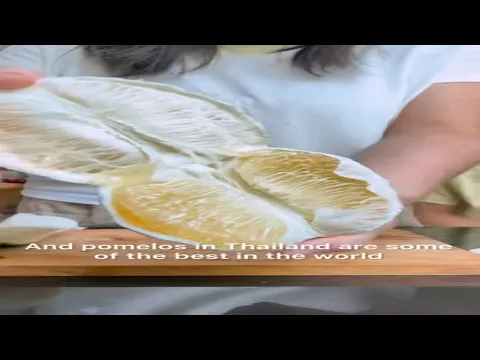 0:26
0:26Have you ever had a Thai pomelo?
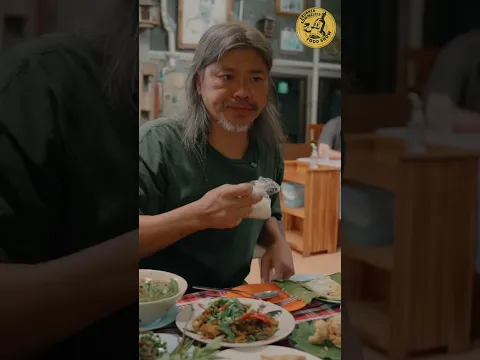 0:41
0:41A Thai Chef's Thoughts on Eating with Your Hands
 0:48
0:48MICHELIN STAR THAI CHEF ON THAILAND'S LESSER-KNOWN FOOD DIVERSITY
 1:53
1:53Eating Winged-Termites in Northern Thailand
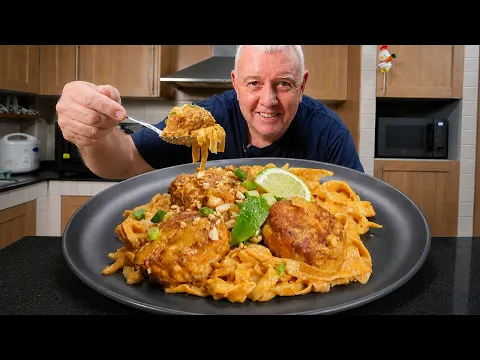 16:27
16:27Satay Chicken Meatballs
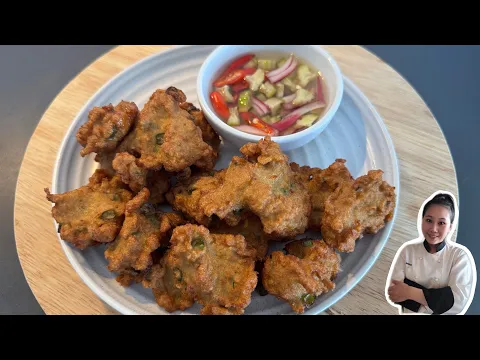 5:16
5:16