French Fries You Can Make At Home
27 August 2026 · 2:48 watch
Advertisement
Master the fundamentals of starch control, moisture management, and the classic double-fry technique to achieve crisp, golden homemade french fries.
Key takeaways
- Soaking cut potatoes removes excess surface starch, preventing premature browning.
- Thorough drying is essential to avoid steaming and ensure a crisp exterior.
- A two-stage frying process cooks the interior before crisping the outside.
- Seasoning immediately after the second fry allows salt to adhere to the residual oil.
Achieving the perfect homemade french fry is a test of fundamental kitchen technique rather than complex sourcing. While prep cooks in high-volume settings often rely on pre-frozen or commercially processed products, mastering the scratch-made fry at home or in a small-scale prep kitchen relies on understanding starch control and moisture extraction. Steve from The Vivaldi Way demonstrates how to transform basic potatoes into crisp, golden fries using accessible home equipment.
Starch Management and Moisture Control
The primary obstacle to a crisp exterior and fluffy interior is excess surface starch. When potatoes are cut, starch granules are released; if left on the surface, they caramelise too quickly in the hot oil, leading to a dark, soggy fry rather than a pale gold, crisp one. A thorough rinsing or soaking process is essential to strip away this excess starch.
After washing, moisture control becomes the priority. Putting wet potatoes into hot fat is both a safety hazard and a culinary error, as steam prevents the oil from sealing the exterior. Ensuring the cut potatoes are completely dry before they touch the oil is a non-negotiable step for any cook aiming for consistent results.
The Double-Fry Methodology
To get the texture right, a two-stage frying process is typically utilised. The first fry, conducted at a lower temperature, is essentially a blanching step. This cooks the interior of the potato until soft without colouring the exterior.
The second fry, executed at a higher temperature, crisps the outer layer to a deep golden hue. Between these two stages, allowing the potatoes to cool helps to set the structure. This method ensures that the steam escapes without making the fry limp, leaving you with a robust crust and a pillowy centre.
Temperature Stability and Batch Size
Maintaining constant oil temperature is critical. When cold potatoes enter hot oil, the temperature drops rapidly. Using a neutral oil with a high smoke point prevents off-flavours and ensures safety during high-heat cooking. Chefs must monitor the batch size; overloading the pan or fryer crowds the potatoes, lowering the oil temperature too much and causing the fries to absorb oil and turn greasy instead of crisp. Seasoning immediately upon exiting the final fry while the surface oil is still hot ensures the salt adheres perfectly.
Questions from the pass
Frequently asked questions
Why do my homemade fries turn out soggy instead of crispy?
Soggy fries are usually caused by excess surface moisture or starch. If you do not soak the cut potatoes to remove excess starch, or if you fail to dry them completely before frying, the potatoes will steam rather than fry. Additionally, crowding the pan drops the oil temperature, leading to grease absorption.
What is the purpose of the double-frying technique?
Double-frying ensures the perfect texture. The first fry cooks the potato's interior at a lower temperature until tender. The second fry, conducted at a higher heat, rapidly crisps and browns the exterior. This process prevents the outside from burning before the inside is fully cooked.
Which type of potato is best for making french fries?
High-starch, low-moisture potatoes are ideal for french fries. Their high starch content translates to a dry, fluffy interior when cooked, while their low moisture levels allow the exterior to crisp up quickly without becoming waterlogged during the initial frying stage.
When is the best time to season the fries?
Season the fries immediately after they exit the second fry. The residual hot oil on the surface of the fries helps the salt and other dry seasonings adhere. If you wait until they cool down, the oil dries, and the seasoning will simply fall to the bottom of the bowl.
Original video by Steve | The Vivaldi Way. This overview is written independently by The Chef's Circle editorial desk — watch the original on YouTube.
Keep reading
Related from the Community
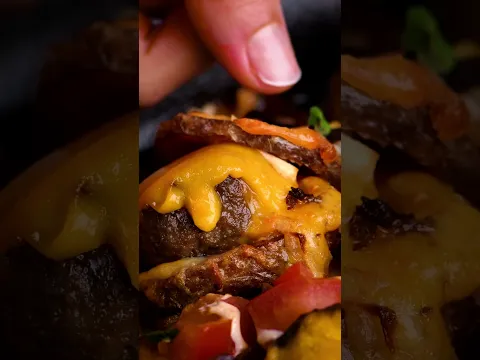 0:46
0:46Get a load of these cheeseburger fries 🍔🍟
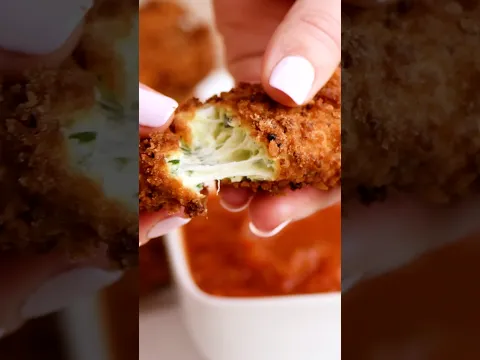 0:53
0:53The crunchy and cheesy goodness of a mozzarella stick combined with spinach artichoke dip 🧀✨
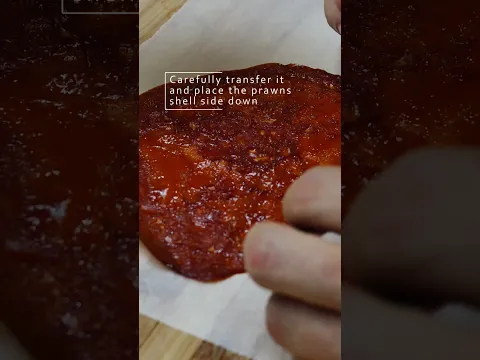 0:38
0:38Edible Fossil Chips Made From Prawn and Duck
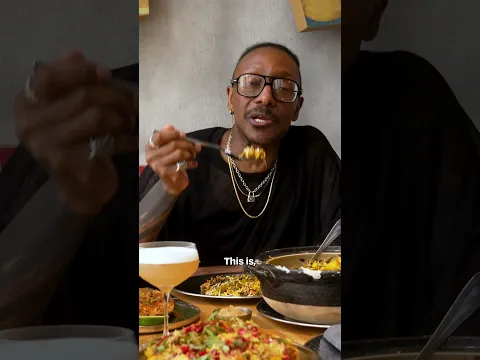 1:20
1:20Why Gregory Gourdet loves the Biryani at NYC's Dhamaka #nyc #eater
 0:18
0:18curry rice is easily my go-to choice for lunch!!🍛 #singapore #sgfoodie #hawkerfood #affordable
 9:00
9:00