The Best French Fry Hack You Need to Try
26 August 2026 · 0:26 watch
Advertisement
Improve the crispness and flavour of commercial frozen fries with simple prep and temperature management adjustments.
Key takeaways
- Excess surface moisture on frozen fries causes steaming rather than crisping, leading to limp textures.
- Preheating cooking equipment thoroughly prevents drastic temperature drops when frozen product is added.
- A light starch or fat coating prior to cooking creates a barrier that locks in fluffiness and builds a crispy exterior.
- Strategic seasoning timing ensures spices adhere properly to the fries rather than falling to the bottom of the dish.
Re-Evaluating the Frozen Chip in Professional Kitchens
In high-volume kitchens, pubs, and casual dining outlets, frozen french fries are a staple of convenience. However, serving them straight from the bag often results in a mediocre product that lacks the crisp texture and depth of flavour of hand-cut, double-cooked chips. This editorial looks at how simple adjustments to preparation and cooking techniques can transform standard frozen potato products into exceptionally crispy, seasoned sides without increasing prep time or requiring complex equipment.
For chefs running tight service lines, consistency is paramount. While scratch-made chips require significant labour, storage, and preparation time, frozen alternatives offer speed. The challenge lies in combating the moisture retention that occurs during storage, which frequently leads to limp, soggy fries. By understanding how to manipulate surface moisture and fat distribution before cooking, chefs can achieve a superior crunch and better seasoning adhesion.
Optimising Heat and Surface Texture
The primary obstacle with frozen fries is the excess ice and surface moisture that develops in freezer storage. When these fries hit hot oil or a hot oven, this moisture turns to steam, softening the outer starch layer instead of crisping it. A key technique involves managing this thermal shock. For instance, ensuring the cooking medium—whether deep fryer, combi oven, or high-powered air fryer—is preheated to its absolute optimum temperature prevents the temperature drop that leads to oil absorption and sogginess.
Furthermore, introducing a light starch dusting or a thin coating of fat before cooking can alter the surface chemistry of the pre-processed potato. This helps seal the exterior rapidly, trapping the steam inside to fluff the potato starch while building a highly textured, rigid crust on the outside.
Seasoning Adhesion and Flavour Delivery
Another common pitfall in commercial service is poor seasoning retention. Salt and dry spices applied after cooking often fail to stick to dried-out surfaces, ending up at the bottom of the serving bowl. Applying seasonings at the correct stage, sometimes utilising a light binder or incorporating dried herbs and spices into a pre-cook toss, ensures every fry carries consistent flavour. This approach allows kitchens to offer premium, signature sides with minimal effort, maintaining high margins and customer satisfaction on every plate.
Questions from the pass
Frequently asked questions
Why do frozen french fries often turn out soggy rather than crispy?
Sogginess is primarily caused by excess surface moisture and ice crystals turning into steam during cooking. This steam softens the outer starch layer instead of allowing it to crisp. Ensuring the fries are cooked directly from frozen at high, stable temperatures helps vaporise this moisture rapidly.
Should frozen fries be thawed before cooking?
No, frozen fries should not be thawed before cooking. Thawing allows the ice crystals to melt into water, which saturates the potato starch and guarantees a limp, soggy end product. Cooking them straight from the freezer preserves the structural integrity of the pre-cooked potato starch.
How can I improve seasoning adhesion on frozen fries?
Seasoning adheres best when there is a light layer of surface oil or moisture immediately after cooking. Tossing the hot fries in a bowl with seasonings immediately upon removal from the fryer or oven ensures the residual heat and surface fat bond with the salt and spices.
What is the benefit of adding a starch coating to frozen fries?
Applying a very fine dusting of potato starch or cornflour to the fries creates an extra surface barrier. This barrier absorbs residual moisture, reacts with the cooking fat, and fries up into an exceptionally crisp, micro-textured crust that holds its crunch much longer under heat lamps.
Main ingredients
Original video by Allrecipes. This overview is written independently by The Chef's Circle editorial desk — watch the original on YouTube.
Keep reading
Related from the Community
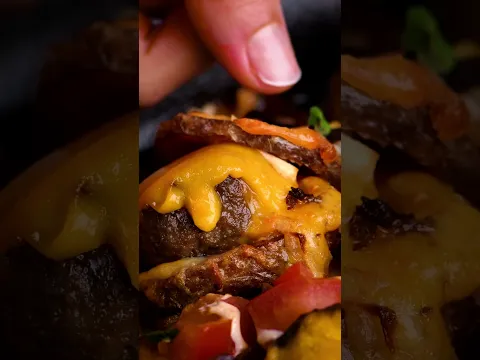 0:46
0:46Get a load of these cheeseburger fries 🍔🍟
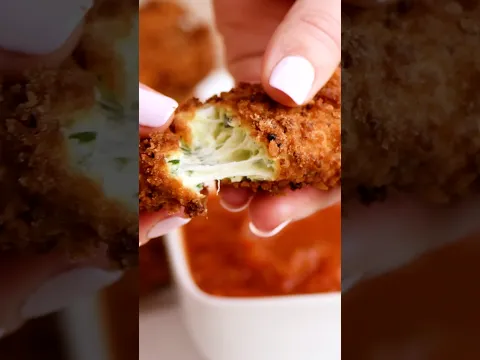 0:53
0:53The crunchy and cheesy goodness of a mozzarella stick combined with spinach artichoke dip 🧀✨
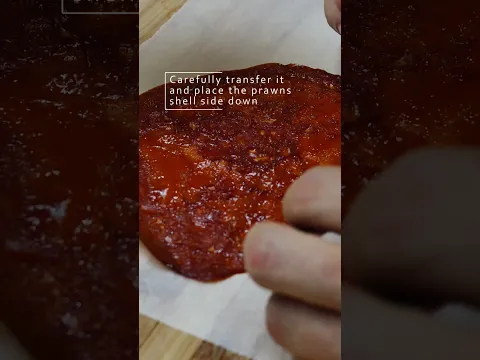 0:38
0:38Edible Fossil Chips Made From Prawn and Duck
 1:20
1:20Why Gregory Gourdet loves the Biryani at NYC's Dhamaka #nyc #eater
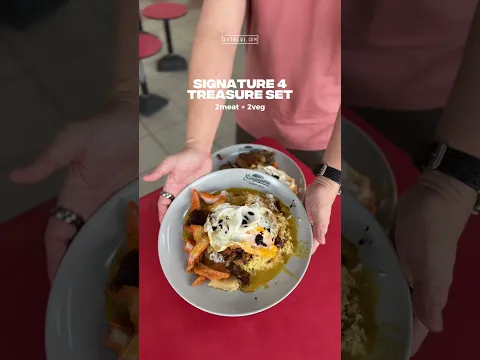 0:18
0:18curry rice is easily my go-to choice for lunch!!🍛 #singapore #sgfoodie #hawkerfood #affordable
 9:00
9:00