MICHELIN STAR THAI CHEF ON THAILAND'S LESSER-KNOWN FOOD DIVERSITY
17 September 2026 · 0:48 watch
Advertisement
Explore the overlooked culinary geography of Thailand with a Michelin-starred chef, moving beyond standard curry pastes to master regional flavour profiles, fermentation, and authentic balance.
Key takeaways
- Understand micro-regional differences to move past generic central Thai templates.
- Embrace dominant single-note profiles rather than forcing a standard Western balanced equilibrium.
- Prioritise sourcing wild herbs, specialty shrimp pastes, and micro-batch fish sauces for authentic depth.
- Leverage regional preservation techniques like Isan fermentation to build complex umami backbones.
Thai cuisine in Western professional kitchens is too often reduced to a predictable template of sweet-and-sour classics from the central plains. In this industry-focused discussion from The Drunken Sommelier Food Show, a Michelin-starred Thai chef explores the vast, overlooked culinary geography of Thailand. For development chefs and menu planners, understanding this regional diversity is the first step toward building menus that move past standard green curry pastes and coconut milk-heavy dishes.\n\n## Beyond the Central Plains: Regional Profiles\nTo truly grasp Thai food, a chef must look at the distinct micro-regions, each shaped by unique geography, climate, and neighbouring culinary traditions. The North, or Lanna region, relies on bitter, earthy, and herbaceous notes. Northern kitchens often eschew coconut milk entirely in favour of dry-fried spices, roasted chilli pastes, and wild forest ingredients. In contrast, Isan (Northeastern) cooking brings sharp acidity, intense heat, and deep funk through complex ferments like pla ra, highlighting preservation techniques and rustic wood-fire grilling.\n\nFurther south, the profile changes completely. Southern Thai kitchens use heavy quantities of fresh turmeric, black pepper, and intense sea-salted ferments to create dry, biting heat that cuts through the abundance of local seafood. Recognising these regional boundaries allows chefs to curate menus with genuine narrative, moving away from a generic, diluted approach to Southeast Asian cooking.\n\n## Balancing the Unfamiliar on Western Menus\nA major challenge for professional kitchens is mastering the Thai approach to flavour balance. Western culinary training often teaches a neat, equal harmony of sweet, salty, sour, and bitter. Authentic regional Thai cooking, however, frequently allows one dominant note—such as the earthy bitterness of a Northern herb paste or the searing, unrounded heat of a southern sour curry—to take the lead.\n\nSourcing remains the key bottleneck. Replicating these regional profiles requires moving beyond standard commercial ginger and pre-packaged curry pastes. Accessing true wild herbs, specialized shrimp pastes, and micro-batch fish sauces is essential for capturing the depth of these dishes. By treating these regional styles with the same geographical respect as French or Italian regional cuisines, chefs can design contemporary menus that offer real depth and education.
Questions from the pass
Frequently asked questions
How does Northern Thai cuisine differ from Southern Thai cuisine?
Northern Thai cooking focuses on bitter, earthy profiles, dry-fried spices, and wild forest herbs without using coconut milk. Southern Thai cooking, on the other hand, is defined by intense heat, heavy use of fresh turmeric, black pepper, and pungent seafood ferments designed to pair with the region's abundant coastal catch.
Why is the Western concept of flavor balance often incorrect for regional Thai food?
Western training prioritises an equal equilibrium where no single flavor dominates the palate. In contrast, authentic regional Thai dishes often allow a single profile—such as intense bitterness, sharp acidity, or searing heat—to lead the dish, creating a dynamic progression of flavours across the entire meal rather than within one bite.
What role does fermentation play in Northeastern (Isan) Thai cooking?
Fermentation is the foundational preservation technique of Isan cuisine, driven by the region's historic dry spells. Ingredients like pla ra (fermented fish paste) provide a deep, savory umami and sharp funk that acts as the seasoning backbone for salads, soups, and dipping sauces, replacing standard salt or soy sauce.
How can chefs source authentic ingredients for regional Thai menus?
Chefs must establish direct relationships with specialized importers and growers rather than relying on standard commercial broadliners. Sourcing true regional ingredients, such as specific wild ginger varieties, small-batch shrimp pastes, and fresh holy basil, is critical to replicating the nuanced aromatics of genuine regional dishes.
Original video by The Drunken Sommelier Food Show. This overview is written independently by The Chef's Circle editorial desk — watch the original on YouTube.
Keep reading
Related from the Community
 0:26
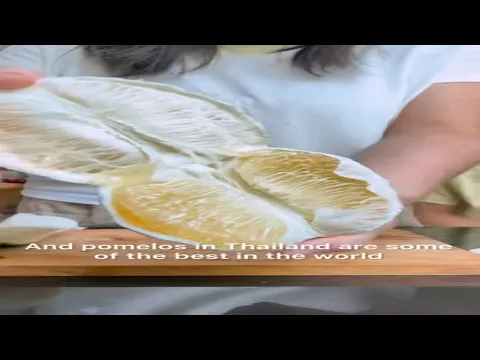
0:26Have you ever had a Thai pomelo?
 0:41
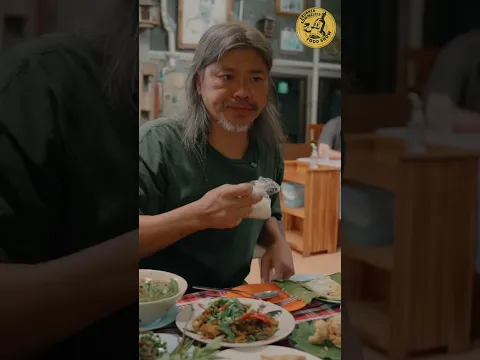
0:41A Thai Chef's Thoughts on Eating with Your Hands
 0:41
0:41The making of OSIP #restaurant #chef #cheflife #finedining #somerset #cooking #recipe #shorts #food
 1:53
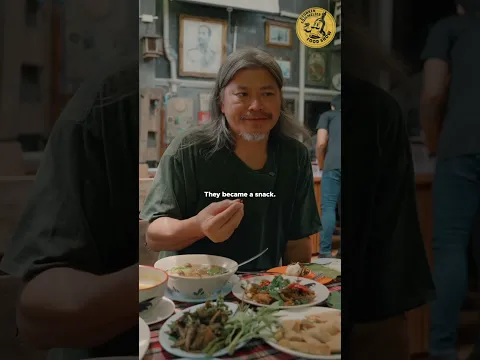
1:53Eating Winged-Termites in Northern Thailand

🔴 WATCH NOW: Monster Traps 101 | Mountain Monsters | Travel Channel
 16:27
16:27