How Thailand's #1 Chef Makes Pad Thai
15 August 2026 · 5:53 watch
Advertisement
Discover the culinary secrets of Thailand's legendary stir-fry as Michelin-starred Chef Ton and a veteran street food vendor break down the art of authentic Pad Thai.
Key takeaways
- Prioritise high-quality tamarind paste over sugar to achieve an authentic, bright sourness instead of an overly sweet profile.
- Soak rice noodles in room-temperature water until pliable but firm to prevent them from disintegrating during high-heat tossing.
- Cook eggs by scrambling them lightly in a cleared space in the wok, folding them in late to maintain distinct pockets of texture.
- Add fresh bean sprouts and chives at the absolute end of cooking to preserve their raw, crunchy contrast to the soft noodles.
Pad Thai is often misunderstood as a simple assembly-line street dish, yet achieving the perfect balance of sweet, sour, salty, and savoury elements requires exceptional culinary precision. In this editorial feature, we explore the contrast between high-end culinary refinement and decades of street-style expertise. Featuring insights from Chef Ton, the culinary force behind Bangkok’s double Michelin-starred Le Du and Nusara, we deconstruct how to lift this iconic dish for professional menus.
Mastering Noodle Hydration and Sauce Balance
The foundation of any exceptional Pad Thai lies in the preparation of the rice noodles and the balance of the signature sauce. Chef Ton, who serves his acclaimed version at Mayrai, emphasises that noodles must be soaked until pliable but still retain a firm bite. A common kitchen pitfall is over-soaking, which leads to mushy, broken noodles when tossed in the high heat of the wok.
The sauce itself demands a careful ratio of tamarind paste, palm sugar, and fish sauce. Rather than relying on the heavy sweetness often found in Western iterations, Chef Ton champions a bright, complex acidity driven by high-quality tamarind. The sauce must coat the noodles evenly, caramelising slightly upon contact with the hot steel of the wok without drying out the dish.
The Power of High-Heat Execution
Transitioning from the refined kitchen to the bustling streets of Bangkok, the video highlights a vendor with over forty years of experience. This segment offers a masterclass in heat management and speed. Here, wok heiWok HeiThe distinctive smoky, roasted flavour developed when food is cooked rapidly in a very hot wok. (the breath of the wok) is paramount.
To achieve this street-style complexity, chefs must master the timing of additions. Bean sprouts and Chinese chives are introduced at the very end to maintain their raw crunch, offering a textural contrast to the soft noodles and tender prawns. The egg is cracked directly into a cleared space in the wok, allowed to set slightly, and then folded gently into the noodles. This technique ensures distinct, marble-like pockets of yolk and white rather than a uniform, muddy coating, preserving both flavour clarity and visual appeal.
Questions from the pass
Frequently asked questions
What is the secret to getting the perfect noodle texture in Pad Thai?
The secret lies in controlled hydration prior to cooking. Rice noodles must be soaked in room-temperature water until they are pliable but still firm. This preparation ensures they absorb the savoury tamarind sauce in the hot wok without breaking apart or becoming mushy.
How does Chef Ton balance the sweet and sour elements of Pad Thai?
Chef Ton balances the dish by using high-quality tamarind paste to provide a sharp, clean sourness, offset by unrefined palm sugar and savoury fish sauce. This traditional approach avoids the cloyingly sweet flavour profile often found in commercial, Westernised variations.
When is the best time to add the egg to the stir-fry?
The egg should be added after the noodles are partially cooked. Clear a space in the hot wok, crack the egg directly onto the surface, scramble it lightly, and then gently fold it into the noodles to preserve distinct ribbons of cooked white and yolk.
What does a professional kitchen learn from street-style Pad Thai vendors?
Professional chefs can learn the crucial art of heat control and wok hei. The rapid, high-heat tossing used by street vendors ensures rapid caramelisation of the sugars and keeps vegetables crisp, which maintains a distinct texture that is difficult to replicate at lower temperatures.
Main ingredients
Original video by The Drunken Sommelier Food Show. This overview is written independently by The Chef's Circle editorial desk — watch the original on YouTube.
Keep reading
Related from the Community
 0:26
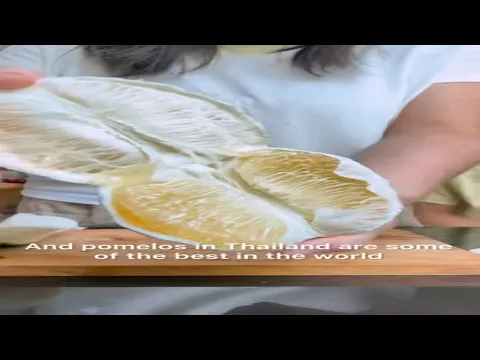
0:26Have you ever had a Thai pomelo?
 0:41
0:41A Thai Chef's Thoughts on Eating with Your Hands
 0:48
0:48MICHELIN STAR THAI CHEF ON THAILAND'S LESSER-KNOWN FOOD DIVERSITY
 1:53
1:53Eating Winged-Termites in Northern Thailand
 16:27
16:27Satay Chicken Meatballs
 5:16
5:16