Where One of Thailand's Best Chefs Eats on his Day Off
13 September 2026 · 0:39 watch
Advertisement
Discover why top chefs seek out humble shophouses on their days off to recalibrate their palates and study traditional Thai flavour balancing.
Key takeaways
- Elite chefs use traditional street food to recalibrate their palates and stay grounded in primary flavour profiles.
- True balance in Thai cooking relies on timing, ensuring fresh acids and volatile herbs are added post-heat to maintain brightness.
- Contrast in mouthfeel can be achieved through simple raw-to-cooked ingredient pairings rather than complex technical manipulations.
- Studying vernacular foodways helps chefs strip back over-complicated dishes and focus on intense, direct seasoning.
Every professional chef understands that high-pressure service can numb the palate over time. To maintain a sharp sensory edge, elite culinary figures often strip away the complexities of their own kitchens during their rare downtime. In this industry-focused exploration, we look at where Thailand's top culinary minds go to recalibrate their palates when off the clock. For a professional cook, studying these choices reveals how simplicity, intense seasoning, and ancestral techniques inform modern high-end menus.
Deciphering the Off-Duty Palate
When a leading chef dines on their day off, they are rarely looking for technical tricks or complex plating. Instead, they seek out honesty in flavour. In Bangkok's competitive scene, this often leads to unassuming shophouses and street stalls. Here, the focus shifts to direct, uncompromised heat, immediate acidity, and clean textures. These visits serve as a masterclass in culinary balance.
By observing these master chefs in casual environments, we learn that the foundation of high-level Thai cooking relies on raw, intense flavours that have not been toned down for international palates. For chefs worldwide, the takeaway is clear: to build complex modern dishes, you must first master the primary, unfiltered flavour profile of your culinary region.
The Chemistry of Acid and Spice
A primary driver for these off-duty dining choices is the study of acidity and spice integration. In professional kitchens, finding the sweet spot where high heat does not mask subtle herbal notes is incredibly difficult. Street vendors achieve this effortlessly through rapid, high-turnover wok cooking and mortar-and-pestle preps.
The key is in the timing of the aromaticsAromaticsIngredients such as onions, garlic, celery, herbs and spices used to build flavour in a dish.. Herbs like Thai basil and sawtooth coriander are introduced at the very last second to preserve their volatile oils, while souring agents like fresh lime juice are kept away from direct heat to prevent bitterness. Watching a chef analyse these simple plates reminds us that premium ingredients are secondary to impeccable timing and balance on the line.
Texture and Contrast on the Plate
Beyond the flavour profiles, street-level dining offers invaluable lessons in textural contrast. Fine-dining menus often rely on technical manipulation to achieve varied textures. In contrast, traditional shophouse dishes rely on simple, contrasting preparation techniques: combining crisp, quick-fried shallots with soft, slow-braised meats, or pairing raw, crunchy vegetables with rich, oily curries. This direct approach to mouthfeel prevents palate fatigue and keeps the dining experience engaging. For the visiting professional, it is a reminder that structural variety in a dish does not require complex lab equipment; it requires a deep understanding of raw ingredient properties and basic heat application.
Questions from the pass
Frequently asked questions
Why do fine-dining chefs seek out street food on their days off?
Fine-dining chefs visit street stalls to recalibrate their palates with uncompromised, traditional flavour profiles. These environments strip away modern culinary distractions, allowing chefs to focus purely on the balance of sweet, sour, salty, and spicy elements that form the foundation of authentic regional cuisine.
How does off-duty dining influence high-end menu development?
It provides direct inspiration for flavour balancing and texture contrast. Exposure to raw, ancestral cooking methods helps chefs strip back over-complicated dishes in their own kitchens, focusing instead on clean, powerful flavour profiles and traditional herbal integrations.
What can chefs learn about acid management from street food vendors?
Chefs can learn the critical importance of heat timing. Street food vendors excel at keeping fresh citrus and delicate vinegars away from direct cooking heat, adding them at the pass to ensure the bright, volatile acids do not degrade or turn bitter.
Why is volatile herb timing so crucial in high-heat cooking?
High heat rapidly destroys the aromatic oils in herbs like coriander and Thai basil. Introducing them at the final second, or as a fresh garnish immediately before serving, ensures the guest experiences the maximum aromatic impact rather than wilted, flavourless greenery.
Original video by The Drunken Sommelier Food Show. This overview is written independently by The Chef's Circle editorial desk — watch the original on YouTube.
Keep reading
Related from the Community
 0:26
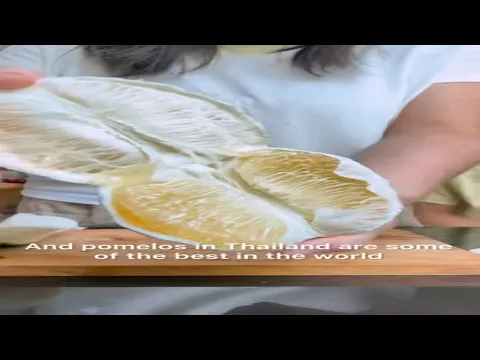
0:26Have you ever had a Thai pomelo?
 0:41
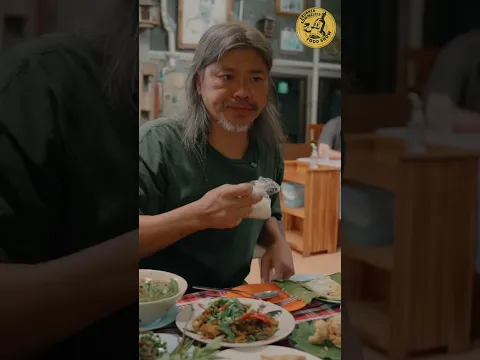
0:41A Thai Chef's Thoughts on Eating with Your Hands
 0:48
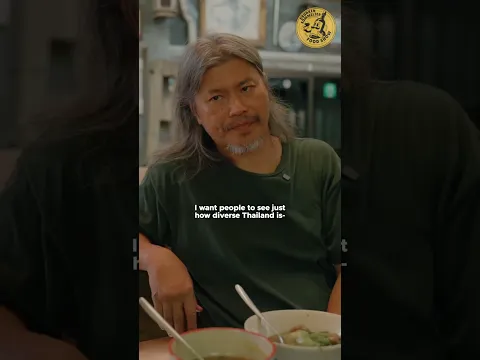
0:48MICHELIN STAR THAI CHEF ON THAILAND'S LESSER-KNOWN FOOD DIVERSITY
 1:53
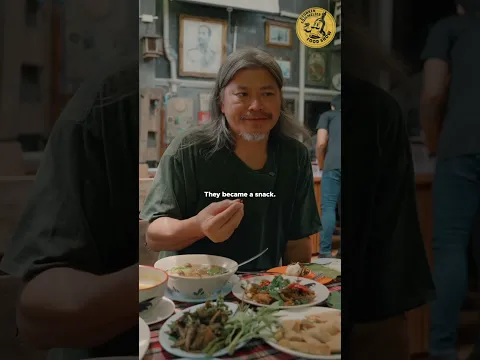
1:53Eating Winged-Termites in Northern Thailand
 16:27
16:27Satay Chicken Meatballs
 5:16
5:16