How to Make American-Style Eggrolls | America's Test Kitchen
29 August 2026 · 9:47 watch
Advertisement
Discover the science behind achieving the ultimate crunchy, blistered American-style egg roll without the dreaded soggy bottom. America's Test Kitchen shares the professional techniques for moisture control, wrapping precision, and perfect frying execution.
Key takeaways
- Pre-cook and thoroughly drain the vegetable-and-meat filling to prevent internal steam from ruining the wrapper's crunch.
- Use thicker, egg-based wrappers to achieve the classic blistered, bubbled exterior characteristic of American-style egg rolls.
- Roll the filling tightly using the diamond technique to eliminate air pockets that cause uneven frying.
- Seal edges securely with egg wash to prevent hot oil from penetrating the interior.
- Drain fried egg rolls on a wire rack instead of paper towels to prevent trapped steam from softening the crust.
The Architecture of a Non-Soggy Egg Roll
American-style egg rolls are a staple of Chinese-American cuisine, celebrated for their thick, blistered, ultra-crunchy exterior. However, replicating this in a professional kitchen presents a distinct challenge: preventing the filling's moisture from migrating to the wrapper and turning the roll soggy. In this guide, Lawman Johnson and Bridget Lancaster of America's Test Kitchen break down the science of executing the perfect egg roll, focusing on moisture control and wrapper structural integrity.
To achieve a clean, crisp bite, the filling must be cooked and drained thoroughly before assembly. Any excess water in vegetables like cabbage will steam during frying, inflating the wrapper and leaving it wet from the inside out. Chefs should pre-cook the filling—typically a seasoned blend of ground pork and shredded cabbage—to expel moisture, then drain it in a colander. Pressing the mixture helps extract residual liquids, ensuring a dry filling that respects the pastry barrier.
Managing Moisture and Fry Execution
The choice of wrapper is equally critical. American-style egg rolls rely on a thicker, wheat-flour and egg-based wrapper, which differs significantly from the thin rice or wheat wrappers used for spring rolls. This thicker skin is designed to blister when deep-fried, creating small pockets of air that contribute to the signature shatteringly crisp texture. Keep your wrappers covered with a damp cloth during assembly to prevent cracking, but fry the finished rolls promptly to avoid moisture transfer.
Wrapping is another stage where technique dictates the final quality. Johnson demonstrates the diamond-wrapping method, keeping the filling tight and compact to eliminate air pockets. Air pockets trap steam, causing ballooning and uneven frying. A light brush of egg wash seals the edges, creating a secure bond that prevents oil from seeping in.
When deep-frying, temperature control is paramount. Frying at too low a temperature allows the wrapper to absorb oil, making the roll heavy and greasy. Conversely, excessive heat burns the exterior before the filling heats through. Maintaining a consistent frying temperature ensures the classic blistered, golden crust. Once fried, drain the rolls on a wire rack rather than flat paper towels to allow steam to escape freely, preserving the hard-won crunch.
Questions from the pass
Frequently asked questions
Why do my egg rolls turn soggy shortly after frying?
Egg rolls turn soggy because excess moisture in the filling escapes as steam during and after frying, softening the wrapper from the inside. To prevent this, thoroughly cook and drain your filling, pressing out any residual liquid before wrapping, and always cool the mixture completely before assembly.
What is the difference between an American egg roll wrapper and a spring roll wrapper?
American-style egg roll wrappers are thicker and contain egg, which helps them blister, bubble, and develop a robust crunch when deep-fried. Spring roll wrappers are typically much thinner, made of wheat or rice flour without egg, yielding a smooth, delicate, shatteringly crisp finish.
How do I prevent egg rolls from bursting open in the deep fryer?
To stop egg rolls bursting, roll them tightly to eliminate trapped air pockets and seal the outer seam securely with egg wash or a starch slurry. Trapped air expands as steam when heated, which tears the wrapper and allows oil to flood the interior.
Can I prep and wrap the egg rolls in advance of service?
Yes, but you must prevent the wrappers from absorbing moisture from the filling over time. For best results, freeze the assembled, uncooked rolls on a lined tray, then transfer them to an airtight container. Fry them directly from frozen, adjusting your cook time slightly.
Why is draining fried egg rolls on a wire rack better than on paper towels?
Draining on a wire rack allows steam to escape freely from all sides of the hot egg roll. Placing them flat on paper towels traps escaping steam underneath the roll, quickly turning the bottom surface soft and soggy.
Main ingredients
Original video by America's Test Kitchen. This overview is written independently by The Chef's Circle editorial desk — watch the original on YouTube.
Keep reading
Related from the Community
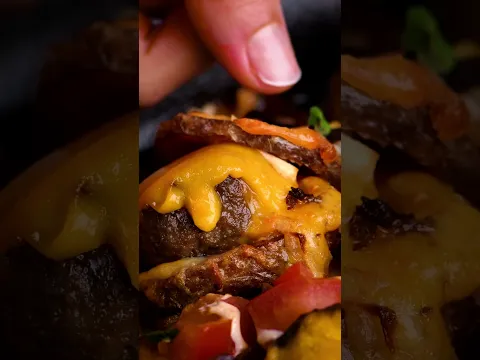 0:46
0:46Get a load of these cheeseburger fries 🍔🍟
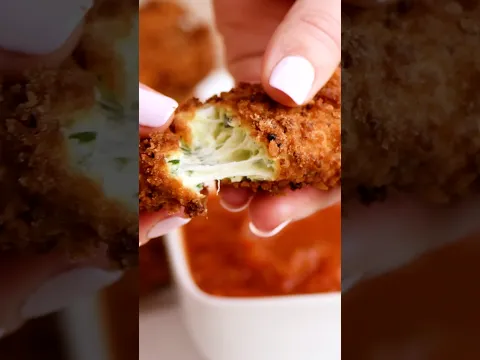 0:53
0:53The crunchy and cheesy goodness of a mozzarella stick combined with spinach artichoke dip 🧀✨
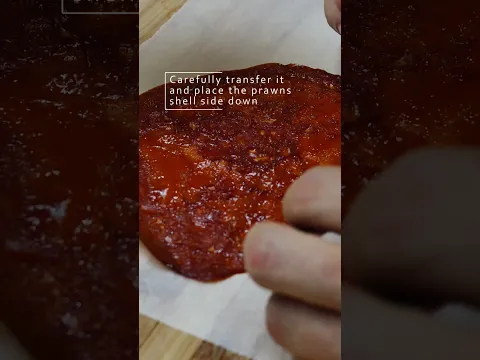 0:38
0:38Edible Fossil Chips Made From Prawn and Duck
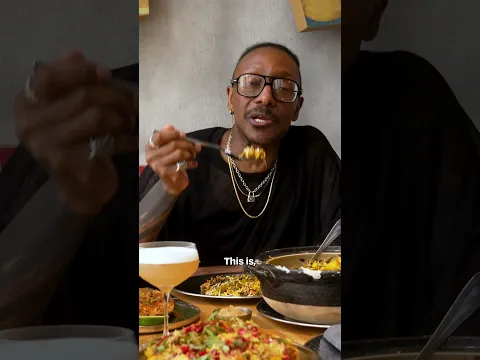 1:20
1:20Why Gregory Gourdet loves the Biryani at NYC's Dhamaka #nyc #eater
 0:18
0:18curry rice is easily my go-to choice for lunch!!🍛 #singapore #sgfoodie #hawkerfood #affordable
 9:00
9:00