Crispy Katsu Sandwich
15 August 2026 · 0:42 watch
Advertisement
Discover the professional techniques behind the ultimate crispy katsu sandwich. Learn how to perfect the breading station, manage frying temperatures, and assemble a structurally sound Japanese classic with maximum texture.
Key takeaways
- Ensure the protein is evenly tenderised and dried before breading to prevent the coating from separating.
- Utilise coarse Japanese panko crumbs for a lighter, crispier texture that retains less grease.
- Choose soft Japanese milk bread (shokupan) to provide the ultimate textural contrast to the crispy cutlet.
- Apply tonkatsu sauce selectively to preserve the crunch of the panko coating.
The humble Japanese katsu sandwich, or katsu sando, has transitioned from a convenience store staple to a high-end menu item globally. In this demonstration, Joshua Weissman deconstructs the elements required to lift this sandwich into a masterclass of texture and flavour balance. Chefs will learn the critical techniques behind preparing a flawless cutletCutletA portion of meat, poultry or fish cut into a relatively thin serving piece., from structural preparation to the precise breading sequence that ensures maximum crunch.
Mastering the Crunch: The Breading Station
Before dredging, the protein—commonly pork loin or chicken—must be evenly tenderised to ensure uniform cooking. This structural preparation prevents the meat from warping under intense heat, which would otherwise cause uneven contact with the frying oil. The defining feature of a premium katsu is its incredibly crispy exterior that remains intact even after slicing and saucing.
Achieving this requires a disciplined approach to the traditional three-stage breading process: standard flour, egg wash, and panko breadcrumbs. To prevent the breading from separating from the meat during frying, the protein must be thoroughly dried and lightly dusted with flour before dipping. Using coarse, high-quality Japanese panko is essential; these flaky crumbs create a jagged surface area that traps less oil and delivers a superior crunch. Frying must be executed at a controlled temperature to ensure the interior is succulent while the exterior reaches a deep golden-brown without scorching.
Assembly, Anatomy, and Texture Management
A great katsu sandwich is as much about structural engineering as it is about cooking. The choice of bread is non-negotiable: soft, slightly sweet Japanese milk bread (shokupan) provides the necessary contrast to the crunchy cutletCutletA portion of meat, poultry or fish cut into a relatively thin serving piece.. Lightly toasting the inner faces of the bread helps create a moisture barrier against the sauces.
Finely shredded cabbage, dressed minimally or left raw, provides a fresh, peppery crunch that cuts through the richness of the fried protein. The assembly is completed with a rich, tangy tonkatsu sauce, which must be applied with restraint to seasonSeasonTo add salt, acidity, herbs, spices or other flavouring to balance and enhance a dish. the meat without rendering the panko soggy. Finally, trimming the crusts and slicing the sandwich into uniform, clean-cut portions reveals the perfect cross-section, making it as visually striking as it is delicious.
Questions from the pass
Frequently asked questions
What is the best protein to use for a classic katsu sandwich?
Pork loin or pork fillet is the traditional choice for a classic Japanese tonkatsu sandwich, offering rich flavour and excellent structure. Chicken breast or thigh is a highly popular and successful alternative, provided it is pounded to an even thickness to guarantee uniform cooking.
How do you prevent the panko breading from falling off the meat?
Ensure the meat is completely dry before dusting it with a light, even layer of flour, shaking off any excess. Next, coat it thoroughly in egg wash before pressing it firmly into the panko crumbs, ensuring complete coverage to lock the coating onto the protein.
Why is Japanese milk bread preferred for this sandwich?
Japanese milk bread, or shokupan, is preferred because its pillowy, soft texture contrasts beautifully with the ultra-crispy katsu. Its subtle sweetness also complements the savoury pork and tangy sauce, while its sturdy crumb structure holds up well to slicing.
How do you keep the sandwich from getting soggy before service?
Lightly toast the interior faces of the bread to create a moisture barrier, and dry the shredded cabbage thoroughly after washing. Apply the tonkatsu sauce directly to the meat rather than the bread, and serve immediately after slicing to preserve the crunch.
Original video by Joshua Weissman. This overview is written independently by The Chef's Circle editorial desk — watch the original on YouTube.
Keep reading
Related from the Community
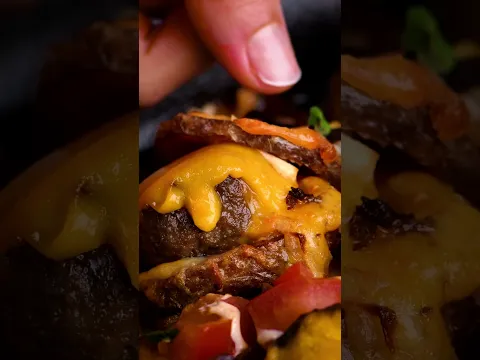 0:46
0:46Get a load of these cheeseburger fries 🍔🍟
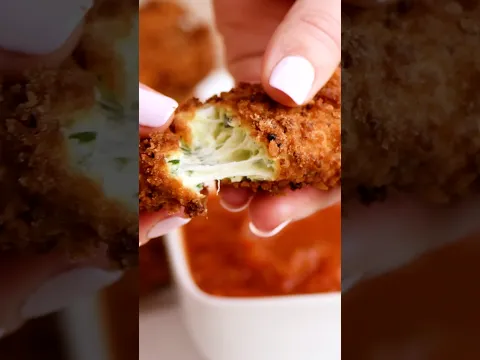 0:53
0:53The crunchy and cheesy goodness of a mozzarella stick combined with spinach artichoke dip 🧀✨
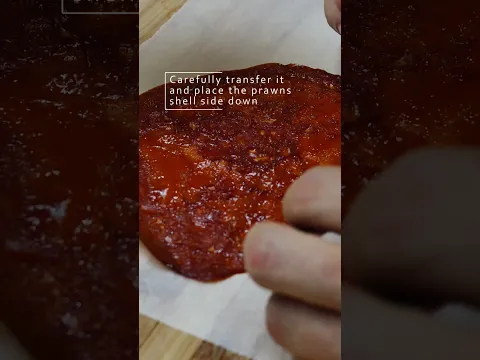 0:38
0:38Edible Fossil Chips Made From Prawn and Duck
 1:20
1:20Why Gregory Gourdet loves the Biryani at NYC's Dhamaka #nyc #eater
 0:18
0:18curry rice is easily my go-to choice for lunch!!🍛 #singapore #sgfoodie #hawkerfood #affordable
 9:00
9:00