3 French Potato Recipes Every Cook Should Know | French Fundamentals | Bon Appétit
9 September 2026 · 20:44 watch
Advertisement
Master three fundamental French potato preparations with chef Alexia Duchêne. Learn the techniques behind crispy Pommes Anna, airy Pommes Dauphine, and silky Pommes Purée.
Key takeaways
- Keep potato purée dry before mixing with choux paste for Pommes Dauphine to ensure a light, airy rise when deep-fried.
- Use clarified butter and uniform, thin slices for Pommes Anna to achieve a perfectly bonded, crispy outer crust.
- Rice potatoes while hot to prevent starch from turning gummy, ensuring a smooth base for Pommes Purée.
- Emulsify cold butter gradually into the hot purée along with warm milk to create a stable, glossy texture.
In this culinary masterclass, chef Alexia Duchêne deconstructs three foundation-level French potato preparations that belong in every professional kitchen repertoire: Pommes AnnaPommes AnnaThinly sliced potatoes layered with butter and cooked until crisp and golden., Pommes Dauphine, and Pommes PuréePuréeFood processed until smooth by blending, mashing or passing through a sieve.. Rather than treating the potato as a simple side dish, these techniques demonstrate how the manipulation of starch, moisture, and fat can produce completely distinct textures from the same basic tuber.
Structure and Texture through Lamination and Aeration
For Pommes AnnaPommes AnnaThinly sliced potatoes layered with butter and cooked until crisp and golden., the secret lies in meticulous layering and moisture control. Sliced potatoes are arranged in overlapping concentric circles, bound together with clarified butterClarified ButterButter from which water and milk solids have been removed, leaving predominantly butterfat., and cooked until the exterior forms a deeply caramelised, crisp crust while the interior remains tender. The technique demands precise knife work or a mandolineMandolineA kitchen slicing tool designed to produce fast, precise and uniform cuts. to ensure even cooking, alongside proper weighting during the baking process to compress the layers into a cohesive cake that slices cleanly.
Pommes Dauphine introduces a pastry-led technique to the savoury section. By folding a classic choux paste into dry, riced potatoes, you create a mixture that expands and puffs dramatically when deep-fried. Controlling moisture is critical here; if the potato puréePuréeFood processed until smooth by blending, mashing or passing through a sieve. contains too much water, the choux will fail to rise properly, resulting in dense, heavy fritters rather than light, pillowy spheres with a crisp outer shell.
Emulsification and Sieve Work for the Perfect Purée
The iconic French Pommes PuréePuréeFood processed until smooth by blending, mashing or passing through a sieve. relies on mechanical starch management and high-ratio fat emulsification. To achieve the legendary silky finish, cooked potatoes must be passed through a fine ricer or drum sieveSieveTo pass a mixture through a mesh screen to remove lumps or create a smoother texture. (tamis) while hot. This breaks up lumps without overworking the starch, preventing the gluey, gummy texture that ruins lesser purées. Duchêne demonstrates the gradual incorporation of cold, cubed butter and warm milk, working the fat into the starch structure to build a glossy, flowing purée.
Through these three distinct preparations, chefs can refine their practical understanding of how temperature, starch release, and fat incorporation dictate the final behaviour of the potato on the plate.
Questions from the pass
Frequently asked questions
Why do my Pommes Dauphine turn out heavy and dense?
This issue typically stems from excess moisture in your potatoes or an incorrect ratio of choux paste. Ensure you dry the potatoes thoroughly after cooking and rice them while hot. If the potato base is too wet, it will weigh down the choux paste, preventing the mixture from expanding and puffing when fried.
What is the best way to slice potatoes for Pommes Anna?
Use a mandoline to achieve highly uniform, thin slices. Consistent thickness is essential for even cooking and proper heat penetration. Slices that are too thick will not compress or laminate together correctly, causing the cake to break apart when you slice and serve it.
How do you prevent Pommes Purée from becoming gluey or gummy?
Avoid using food processors or overworking the potatoes with a hand blender, which releases excess starch. Instead, pass the hot potatoes through a ricer or drum sieve. This mechanical method breaks up the cells cleanly without damaging the starch molecules, yielding a silky, refined purée.
Why is cold butter preferred when emulsifying Pommes Purée?
Cold butter melts slowly as you whisk it into the hot potato purée, allowing the fat molecules to suspend evenly within the potato starch. If you use melted or warm butter, the fat will separate easily, leaving a greasy film on the surface of your purée instead of a smooth emulsion.
Original video by Bon Appétit. This overview is written independently by The Chef's Circle editorial desk — watch the original on YouTube.
Keep reading
Related from the Community
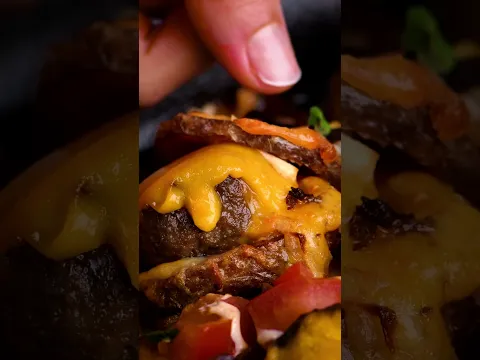 0:46
0:46Get a load of these cheeseburger fries 🍔🍟
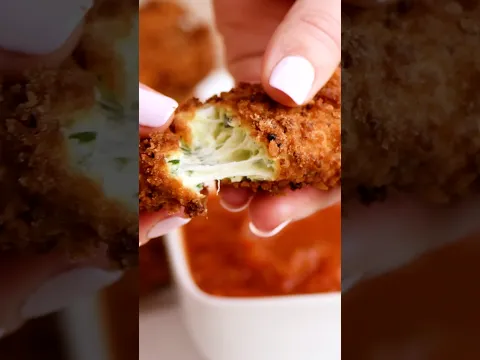 0:53
0:53The crunchy and cheesy goodness of a mozzarella stick combined with spinach artichoke dip 🧀✨
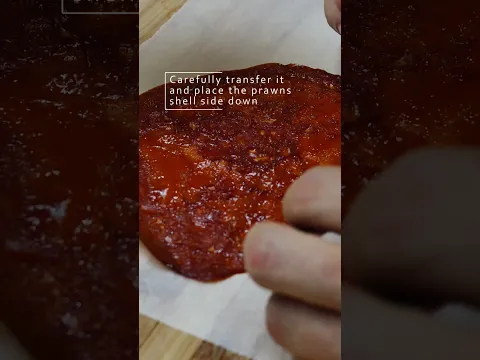 0:38
0:38Edible Fossil Chips Made From Prawn and Duck
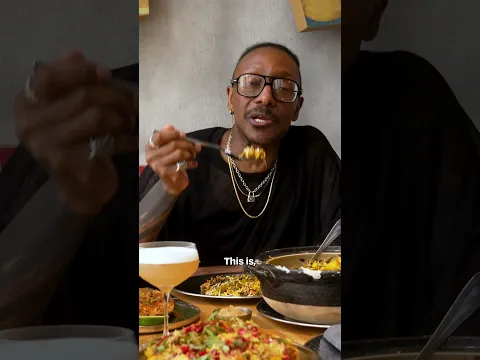 1:20
1:20Why Gregory Gourdet loves the Biryani at NYC's Dhamaka #nyc #eater
 0:18
0:18curry rice is easily my go-to choice for lunch!!🍛 #singapore #sgfoodie #hawkerfood #affordable
 9:00
9:00