Japanese chef cooks 19 part omakase by himself in The Netherlands (not Amsterdam) #omakase
22 September 2026 · 0:22 watch
Advertisement
Discover how Chef Yama single-handedly runs an intimate eight-seat omakase restaurant in the Netherlands, utilising local Zeeland yellowtail and showcasing the traditional Japanese gin gawa skinning technique.
Key takeaways
- Learn the gin gawa technique to preserve the striking silver skin and flavourful sub-skin fat layer on yellowtail.
- Streamline prep and workflow to execute a multi-course tasting menu single-handedly for an intimate counter.
- Adapt traditional Japanese fish-prep methods to high-quality, sustainably sourced local European species.
Operating a high-end sushi counter single-handedly requires meticulous kitchen organisation and technical precision. In Naarden Vesting, Chef Yama runs an intimate eight-seat omakaseOmakaseA Japanese dining style in which the chef selects and serves the dishes. restaurant, executing a nineteen-course menu without assistance. For professional chefs, this setup offers lessons in minimalist workflow, mise en placeMise en PlaceFrench for "everything in its place"; the preparation and organisation completed before service. efficiency, and the integration of local European ingredients into traditional Japanese structures.
Mastering the Gin Gawa Technique
One of the key technical displays in Chef Yama's service is the "gin gawa" preparation method, applied to Dutch yellowtail (kingfish) sourced from Zeeland. Gin gawa translates to preserving and highlighting the reflective silver skin of the fish. This technique requires flawless knife control during the skinning process. Instead of removing the entire skin in one rough movement, the chef must glide the yanagiba knife precisely between the tough outer skin and the delicate, shiny silver layer underneath. Leaving this silver skin intact provides a striking visual contrast on the plate and preserves the thin layer of rich, flavourful fat directly beneath the skin, enhancing both texture and taste.
Sourcing Locally for Traditional Omakase
Rather than relying solely on seafood imported from Tokyo, Chef Yama champions sustainable sourcing by utilising premium local species like the Dutch yellowtail from the Kingfish Company in Zeeland. This choice proves that chefs can maintain the highest standards of Japanese culinary tradition while reducing food miles and supporting regional aquaculture. Preparing local fish the Japanese way means applying traditional curing and cutting styles to species that diners might not traditionally associate with high-end Edomae sushi.
The Solo Chef Setup
Managing nineteen courses for eight covers alone demands that prep work is absolute. Every element, from the seasoned sushi rice (shari) holding its temperature to the precise slicing of fish, must be timed to perfection. The open-counter format exposes every movement, turning clean working habits and quiet authority into part of the guest experience. This format minimises waste, controls overheads, and allows the chef to maintain absolute control over every plate served.
Questions from the pass
Frequently asked questions
What is the gin gawa technique in Japanese fish butchery?
Gin gawa is a precise skinning technique used to leave the reflective silver skin intact on the fish. By running the knife blade exactly between the outer skin and the silver layer, chefs preserve both the striking visual appearance and the thin, flavourful fat layer directly underneath.
Why use Dutch yellowtail for a traditional Japanese omakase?
Sourcing local Dutch yellowtail ensures maximum freshness and supports sustainable aquaculture. It demonstrates that traditional Japanese preparation techniques can be applied successfully to premium regional European seafood, reducing the reliance on long-distance imports while maintaining top-tier quality.
How does a chef manage a 19-course omakase menu alone?
Executing a solo omakase requires rigorous kitchen organisation, highly structured prep, and an intimate counter setup of around eight seats. Every component must be prepped to perfection beforehand so the chef only needs to focus on slicing, shaping, and presenting during active service.
What knife is best suited for the gin gawa skinning technique?
A long, single-bevel Japanese slicer like a yanagiba is ideal for this technique. The single-bevel edge allows the chef to control the angle of the blade with extreme accuracy, making it easier to glide right above the silver skin layer without tearing the flesh.
Main ingredients
Original video by Chef Yama. This overview is written independently by The Chef's Circle editorial desk — watch the original on YouTube.
Keep reading
Related from the Community
 1:16
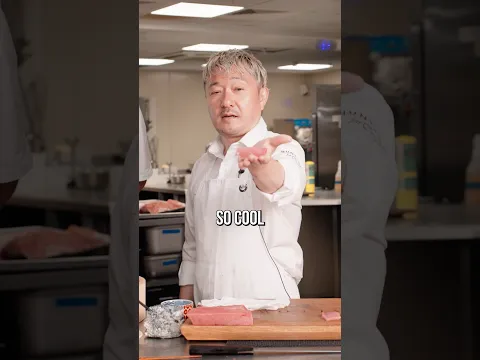
1:16How a Sushi Master Makes Sushi
 0:38
0:38Stop Crying When Cutting Onions: Genius Kitchen Hack! #chefdez #cooking #cuttingonions #onions
 1:25
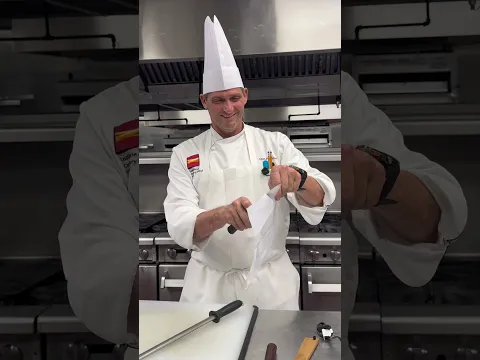
1:25Fine dining starts with the right tools 🔪#ICECulinary #FineDining #ChefTools #CulinarySchool #Chef
 1:39
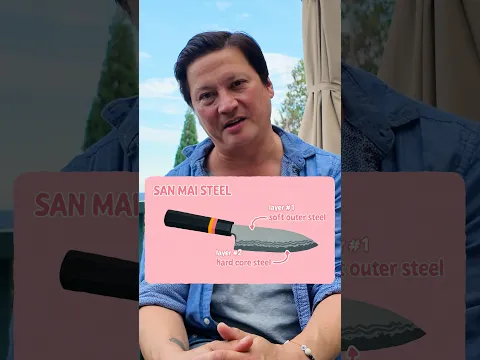
1:39San Mai Steel: Why It Works for Kitchen Knives
 3:01
3:01Here’s what really happens when you hone a knife
 0:50
0:50