Is this the best value sushi in nyc? 🍣 #omakase #trending
9 September 2026 · 1:49 watch
Advertisement
An editorial look at how Jubilee Marketplace in Brooklyn delivers a $4 omakase sushi platter, exploring high-volume prep, loss-leader economics, and grab-and-go quality control.
Key takeaways
- Using ultra-cheap prepared foods like sushi as loss-leaders can successfully drive high-volume foot traffic into retail and dining spaces.
- Chilled grab-and-go sushi requires an adjusted rice formula with precise vinegar, sugar, and moisture levels to prevent the grains from hardening in the display fridge.
- Strict portion control and zero-waste knife skills are critical to maintaining profitability when executing low-margin seafood offerings.
- High-speed prep and immediate packaging transfer the labour cost from bespoke service to efficient, standardised batch production.
The Economics of the Ultra-Budget Menu
In a commercial climate marked by rising food costs, Jubilee Marketplace in Greenpoint, Brooklyn, is challenging standard high-street margins with its highly publicised, ultra-cheap prepared food programme. Best known for its budget-friendly hot food station—including a cheap burger and a five-dollar rotisserie chicken—the market has introduced a four-dollar sushi platter styled as "omakaseOmakaseA Japanese dining style in which the chef selects and serves the dishes.". For professional kitchen operators, this aggressive pricing model provides a masterclass in using high-volume, low-margin items as loss-leaders to drive foot traffic.
Executing fresh sushi at this price point requires a highly streamlined supply chain and rapid stockStockA liquid made by simmering bones, meat, fish, vegetables or aromatics. turnover. Rather than relying on premium, line-caught imports, operations like this leverage bulk-purchased, pre-frozen portions of common species. By focusing on rapid assembly, high-speed rice cooking, and immediate packaging, the kitchen minimises labour costs per unit, transforming a traditionally bespoke dining experience into an efficient grab-and-go retail product.
Maintaining Standards in Grab-and-Go Formats
When stripping back the cost of sushi to a bare minimum, temperature control and rice preparation become the primary operational challenges. Unlike a traditional sit-down sushi bar where rice is served at body temperature, retail-packaged sushi must be quickly chilled and held under strict cold-chain conditions to prevent bacterial growth. Chefs looking to enter the high-volume retail space must pay careful attention to the rice formulation; standard sushi rice can turn hard and chalky when refrigerated. Adjusting the ratio of vinegar, sugar, and moisture in the seasoned rice is essential to maintaining a palatable texture even after hours in a display chiller.
Furthermore, presenting multiple pieces of nigiri or maki as a budget "omakaseOmakaseA Japanese dining style in which the chef selects and serves the dishes." requires extreme portion control. Every slice of fish must be uniform to ensure consistent yields and accurate food-cost calculations. In this environment, knife skills are geared toward speed and yield maximisation rather than theatrical presentation, ensuring that waste is kept as close to zero as possible.
Lessons in Consumer Traffic and Volume
The primary takeaway for commercial operators is not necessarily to mimic the four-dollar price point, but to understand how such extreme value propositions function within a wider business model. A ultra-low-cost sushi platter serves as a marketing tool that pulls customers through the doors, where they are highly likely to purchase high-margin impulse items like beverages, sides, or grocery staples. By treating certain elements of the prep kitchen as marketing investments, operators can generate substantial volume and brand loyalty in highly competitive urban markets.
Questions from the pass
Frequently asked questions
How does a retail kitchen sell sushi for such a low price?
They achieve this pricing by treating the item as a loss-leader to drive high volumes of foot traffic. The kitchen minimises food costs through bulk purchasing pre-frozen seafood and maximises labour efficiency by shifting from bespoke, made-to-order assembly to standardised, high-speed batch packaging.
How do you stop sushi rice from going hard when refrigerated?
You must adjust the water-to-rice ratio and increase the amount of sugar and vinegar in the seasoning liquid. The added sugars act as humectants, retaining moisture and preventing the starch molecules from recrystallising and hardening when stored in a cold retail display cabinet.
What knife skills are most important for high-volume sushi prep?
Speed and yield maximisation are the critical skills rather than complex decorative cuts. Chefs must focus on consistent portion cuts of uniform thickness to ensure exact food-cost calculations and zero-waste utilisation of the fish blocks.
Is grab-and-go sushi safe to sell at room temperature?
No, grab-and-go sushi must be kept strictly refrigerated below 5°C to inhibit bacterial growth. Professional kitchens must implement a robust Hazard Analysis Critical Control Point (HACCP) plan, monitoring temperatures from raw preparation through to the retail display case.
Can fine-dining establishments benefit from offering ultra-value items?
Yes, high-end operators can adapt this strategy by introducing casual, high-volume pop-ups or grab-and-go lunch lines. Using secondary cuts or off-cuts from the main tasting menu for these lower-priced offerings allows kitchens to reduce waste while capturing a wider demographic.
Original video by Eater. This overview is written independently by The Chef's Circle editorial desk — watch the original on YouTube.
Keep reading
Related from the Community
 1:16
1:16How a Sushi Master Makes Sushi
 0:38
0:38Stop Crying When Cutting Onions: Genius Kitchen Hack! #chefdez #cooking #cuttingonions #onions
 1:25
1:25Fine dining starts with the right tools 🔪#ICECulinary #FineDining #ChefTools #CulinarySchool #Chef
 1:39
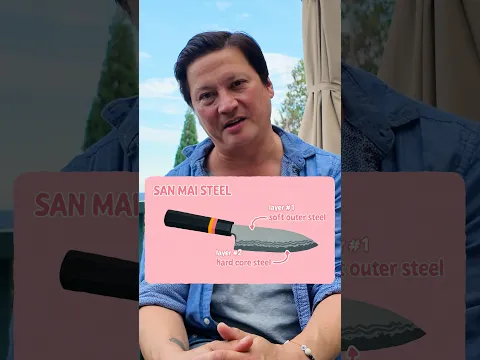
1:39San Mai Steel: Why It Works for Kitchen Knives
 3:01
3:01Here’s what really happens when you hone a knife
 0:50
0:50