How to Butcher a Chicken: 10-Piece Country Cut
15 August 2026 · 7:05 watch
Advertisement
Discover the professional 10-piece country cut technique with Chef Eric Huang. Learn how to portion a whole chicken to guarantee perfectly uniform frying and preserve delicate skin integrity.
Key takeaways
- The 10-piece country cut yields two wings, two drumsticks, two thighs, and four bone-in breast pieces for optimal cooking uniformity.
- Splitting the breast into four pieces prevents lean white meat from drying out before the dark meat is fully cooked.
- Preserving skin integrity on breast portions is essential to trap moisture and hold the dredge during the frying process.
- Slicing cleanly through joint seams avoids bone splinters and preserves the lifespan of your kitchen knives.
In high-volume kitchen prep, particularly within the competitive fried chicken sector, the precision of your butchery directly dictates both your food cost margins and the quality of the final plate. In this masterclass from ChefSteps, guest chef Eric Huang shares a professional breakdown technique known as the "10-piece country cut." Tailored specifically for Southern-style frying, this method maximises yield and ensures cooking uniformity across different portions.
Yield Optimisation and Portion Control
While a standard eighth-way cut is common in many kitchens, the country cut yields ten distinct bone-in portions: two wings, two drumsticks, two thighs, and four breast pieces. By splitting the breast into four smaller, manageable portions rather than two large ones, you achieve more even cooking times across the entire bird. This prevents the breast meat from drying out while waiting for the thicker thigh joints to reach safe core temperatures in the fryer.
Preserving Skin Integrity
A primary pitfall in chicken butchery is tearing or losing the skin, particularly over the breast. During frying, intact skin acts as a vital barrier that holds moisture within the meat while binding the seasoned dredgeDredgeTo coat food lightly in flour, breadcrumbs or another dry ingredient. or batter. Chef Huang emphasises a meticulous approach to knife work that keeps the skin firmly anchored to each cut. When portioning the breast, your cuts must be clean and deliberate, ensuring each of the four pieces retains an equal, secure wrap of skin. Ragged edges or loose skin will pull away in the fryer, leading to uneven browning and dry spots.
Structural Precision
Executing this cut successfully requires a keen understanding of avian anatomy. Chefs must navigate the joints cleanly without splintering bone, which can ruin a customer's dining experience. By slicing through the natural fat lines and locating the exact joint seams of the wings and legs, you reduceReduceTo simmer a liquid so that water evaporates, concentrating flavour and increasing viscosity. resistance on your blade and maintain a safer, faster prep line. The result is a highly consistent product that looks uniform on the platter and cooks predictably in the oil.
Questions from the pass
Frequently asked questions
What is a 10-piece country cut?
A 10-piece country cut is a professional butchery method that divides a whole chicken into two wings, two drumsticks, two thighs, and four breast pieces. This technique is specifically designed for Southern-style frying to ensure even cooking across all portions.
Why split the chicken breast into four pieces instead of two?
Splitting the breast into four pieces reduces their individual size, allowing them to cook at a rate closer to the legs and thighs. This prevents the lean breast meat from overcooking and drying out while waiting for the dark meat to cook through.
How do you prevent chicken skin from shrinking or slipping during butchery?
To preserve skin integrity, use a razor-sharp knife and make deliberate cuts, ensuring the skin remains firmly anchored to the bone of each portion. Avoid pulling or tearing the skin, as intact skin is essential for holding the flour dredge and trapping moisture.
What is the main benefit of cutting through joints instead of bone?
Cutting cleanly through anatomical joints rather than slicing through bone prevents dangerous bone splinters from entering the meat. It also preserves the edge of your chef's knife, reducing physical strain and speeding up high-volume prep work.
Main ingredients
Original video by ChefSteps. This overview is written independently by The Chef's Circle editorial desk — watch the original on YouTube.
Keep reading
Related from the Community
 1:16
1:16How a Sushi Master Makes Sushi
 0:38
0:38Stop Crying When Cutting Onions: Genius Kitchen Hack! #chefdez #cooking #cuttingonions #onions
 1:25
1:25Fine dining starts with the right tools 🔪#ICECulinary #FineDining #ChefTools #CulinarySchool #Chef
 1:39
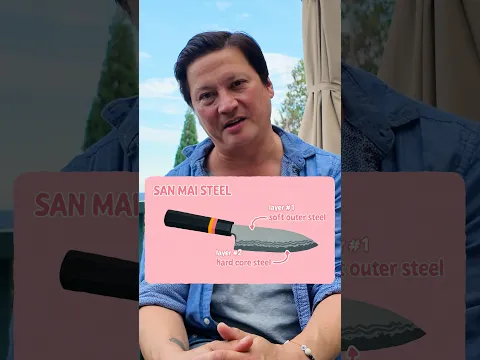
1:39San Mai Steel: Why It Works for Kitchen Knives
 3:01
3:01Here’s what really happens when you hone a knife
 0:50
0:50