POV: Head Chef at a Italian Restaurant
15 August 2026 · 54:10 watch
Advertisement
Go behind the pass with an immersive, head-mounted POV of a busy Italian restaurant service. Discover the practical mechanics of station organisation, heat management, and the technique of mantecatura.
Key takeaways
- Keep high-frequency items like pasta water, fats, and herbs in identical, easily reachable spots to build muscle memory.
- Master mantecatura by tossing pasta vigorously off the direct heat to create a glossy, starch-bound emulsion.
- Maintain a strict 'clean as you go' policy to preserve precious counter space and keep the plating area pristine.
- Control pan temperatures dynamically by physically moving the pan on and off the flame to regulate cooking speed.
First-person point-of-view (POV) footage has become one of the most valuable modern tools for culinary training, offering an unfiltered look at the physical reality of the line. Denis Prokopyev’s immersive service video provides chefs with a rare, head-mounted perspective of a busy Italian kitchen under pressure. Rather than focusing on static recipes, this footage highlights the fluid choreography of ticket management, station organisation, and real-time decision-making that defines a successful head chef.
Spatial Awareness and Station Ergonomics
In a high-tempo Italian service, the physical economy of movement is the difference between a smooth run and a backed-up board. Watching the service unfold in real time reveals how crucial a highly organised mise en placeMise en PlaceFrench for "everything in its place"; the preparation and organisation completed before service. is. High-use essentials—such as pre-portioned fresh pasta, emulsifying liquids, garlic, and fresh herbs—are positioned within immediate arm's reach.
The POV perspective demonstrates the importance of spatial awareness. A chef must navigate hot pans, open flames, and tight physical spaces with colleagues without losing focus on the pan. Every movement is deliberate: pan handles are kept turned away from pathways, plates are wiped instantly, and pans are cleared to the wash station the moment plating is complete. This discipline ensures the workspace remains functional throughout a demanding service.
Heat Management and Emulsification
At the heart of the hot line is the technical mastery of pasta finishes. The video showcases the vital technique of mantecatura—the energetic tossing of pasta to release starches and emulsifyEmulsifyTo combine normally immiscible liquids, such as oil and water, into an emulsion. fats with cooking water. A chef can observe the precise timing required to marry the pasta with its sauce. Rather than letting the sauce sit, the chef introduces the pasta just before it reaches al denteAl DenteItalian for "to the tooth"; describing pasta or vegetables cooked until tender but retaining a firm bite., allowing the starch-rich cooking water to bind the ingredients into a glossy coat.
Furthermore, the footage highlights the constant, intuitive adjustment of heat. Chefs must regulate gas burners dynamically, pulling pans off the direct flame to prevent garlic from burning or sauces from breaking. This level of sensory control—relying on the sound of the sizzle and the changing viscosity of the sauce—is a skill that can only be honed through continuous live-service experience.
Questions from the pass
Frequently asked questions
What is the technique of mantecatura and why is it vital for Italian pasta dishes?
Mantecatura is the process of vigorously tossing pasta in the pan with fat and starch-rich cooking water. This physical agitation releases starches from the pasta, emulsifying them with the cooking oil or butter to create a glossy, cohesive sauce that clings to the pasta rather than pooling at the bottom of the plate.
How does a chef maintain kitchen safety and efficiency during a high-speed service?
Chefs maintain efficiency through strict spatial awareness, keeping pan handles turned inward and communicating verbally with the team. By designating specific zones for prep, plating, and dirty pans, the kitchen minimises the risk of accidents while keeping the plating line clear of clutter during busy periods.
Why is pan movement off the direct flame so important when cooking pasta sauces?
Moving the pan off the direct flame gives the chef precise control over heat transfer. This prevents delicate aromatics like garlic and herbs from burning, and stops emulsified sauces from breaking. Physical distance from the burner is often faster and more accurate than adjusting the dial.
How does a chef ensure pasta is served perfectly al dente in a restaurant setting?
Chefs pull the pasta from the water just before it reaches al dente, finishing the cooking process directly in the sauce pan. This allows the pasta to absorb the seasoned sauce into its core while preventing it from overcooking under heat lamps before it reaches the guest.
Original video by Denis Prokopyev. This overview is written independently by The Chef's Circle editorial desk — watch the original on YouTube.
Keep reading
Related from the Community
 5:28
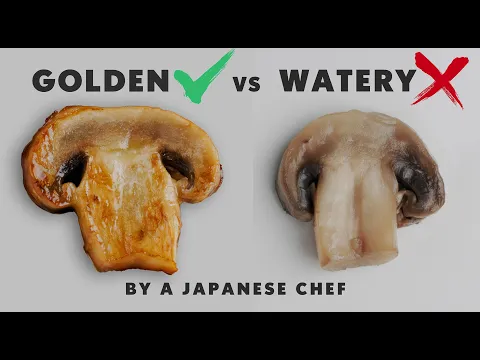
5:28Stop Adding Oil First—This Makes Mushrooms Golden Brown | Japanese Chef
 3:00
3:00Steak and egg on 1 steel pan
 47:23
47:23Jamie Oliver's Chicken Recipes & Ideas To Try This Weekend
 0:27
0:27How To Fry The Perfect Steak #howto #shorts
 13:46
13:469 astuces pour améliorer facilement tous vos plats dès maintenant
 1:38
1:38