Every Way to Cook Bacon
15 August 2026 · 16:21 watch
Advertisement
An essential professional guide analyzing every bacon-cooking methodology, from classic tray-pressing and wire racks to live-fire flambadou and sous vide, evaluated for commercial kitchen efficiency.
Key takeaways
- Baking bacon between two flat trays produces perfectly uniform, non-curled rashers ideal for clean sandwich presentation.
- Starting in a cold pan allows for gradual fat rendering and more consistent texture than starting on a hot surface.
- A wire rack in the oven maximizes hot air circulation, letting fat drip away for a cleaner, crisper final bite.
- Theatrical high-heat methods like the flambadou offer exceptional tableside presentation and intense caramelisation.
For high-volume kitchens and fine-dining operations alike, the preparation of bacon is a fundamental task that demands consistency, efficiency, and maximum flavour extraction. In this comprehensive trial, the culinary team at Fallow tests an array of bacon-cooking methodologies to determine which techniques yield superior results for the professional line. From the traditional cold-pan start to modernist sous-vide preparations and theatrical live-fire applications, each method is assessed for texture, fat rendering, and operational viability.\n\n## Assessing Traditional vs. Modern Bacon Prep\n\nA standard hot-pan fry often results in uneven curling and scorched edges before the fat can renderRenderTo slowly heat fatty tissue so that its fat melts away. completely. Conversely, starting bacon in a cold pan allows the fat to render gradually, resulting in a more uniform crispness. However, this is largely impractical for a busy service. For volume prep, oven baking remains a premier choice. Utilising a wire rack promotes hot air circulation for an all-round crisp texture, whilst sandwiching the bacon between two baking trays ensures perfectly flat, uniform rasher presentation ideal for stacking in premium sandwiches or elegant plating.\n\nWater poaching, or boiling bacon before crisping, is an intriguing technique that helps render out excess salt and fat, yielding a tender bite, though it lacks the immediate Maillard depth of dry-heat methods. For true modernist precision, sous videSous VideVacuum-sealed cooking in a precisely controlled water bath. offers unparalleled moisture retention and texture control, but requires a secondary searSearTo expose food to high heat to develop a browned exterior. to achieve the desired crispness. Air frying provides rapid hot-air convection, making it highly efficient for small-batch prep, though it lacks the volume capacity required for main kitchen service.\n\n## High-Heat, Flavour Infusions, and Live-Fire Techniques\n\nFor theatrical or open-kitchen environments, live-fire methods like the charcoal grillGrillTo cook using direct radiant heat. introduce unmatched smokiness and charred complexity. More extreme high-heat techniques, such as using a blowtorch or the traditional French flambadou—where rendered fat is dripped through a red-hot iron cone directly onto the meat—offer dramatic tableside flair and deep, caramelised finishes, but demand skilled execution to avoid acrid charring.\n\nWhen sweetness is desired, glazeGlazeA shiny coating applied to food to add flavour, colour, moisture or visual finish.-focused methods like Southern candied bacon or maple-infused pans require careful temperature regulation to prevent the sugars from scorching. Frying in butter adds luxurious richness but risks burning the dairy solids if the heat is not carefully monitored, whereas deep frying yields ultra-crispy results in seconds but can quickly dry out the meat if overcooked. Ultimately, selecting the correct bacon technique depends heavily on your service style, volume requirements, and desired textural balance between render and crunch.
Questions from the pass
Frequently asked questions
What is the benefit of cooking bacon between two baking trays?
Baking bacon between two baking trays keeps the rashers completely flat and uniform during the cooking process. This preventative method stops the bacon from curling, ensuring even heat distribution and fat rendering. For professional kitchens, this is the premier technique for achieving neat, stackable bacon ideal for high-end sandwiches and precise plate presentation.
How does starting bacon in a cold pan compare to a hot pan?
Starting bacon in a cold pan allows the fat to render out slowly as the pan heats up, resulting in a more evenly cooked and consistently crispy rasher. In contrast, putting bacon into an already hot pan causes the proteins to seize quickly, leading to curling, uneven cooking, and scorched edges before the fat can render.
What is the role of the flambadou in bacon preparation?
A flambadou is a traditional French culinary tool—a cast-iron cone heated to glowing red—used to melt fat and drip it directly onto the meat. Applying this technique to bacon delivers rapid high-heat caramelisation and a rich, smoky layer of rendered fat, making it an excellent option for theatrical tableside service in open kitchens.
Why would a chef choose to bake bacon on a wire rack rather than a flat tray?
Cooking bacon on a wire rack allows hot oven air to circulate freely around the top and bottom of each rasher, promoting uniform crispness. It also allows excess rendered fat to drip away from the meat. This ensures the bacon does not stew in its own grease, producing a cleaner, crunchier final texture.
How does the sous vide method affect bacon texture?
The sous vide method cooks bacon slowly at a precise temperature, yielding an incredibly tender texture and retaining maximum moisture. Because this low-temperature water-bath cooking does not create a crust, the bacon must be quickly finished in a hot pan or under a grill to render the surface fat and achieve a crispy exterior.
Main ingredients
Original video by Fallow Restaurant. This overview is written independently by The Chef's Circle editorial desk — watch the original on YouTube.
Keep reading
Related from the Community
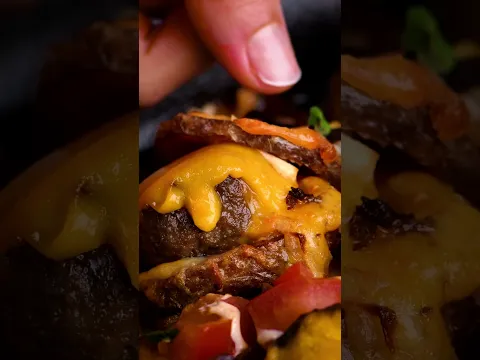 0:46
0:46Get a load of these cheeseburger fries 🍔🍟
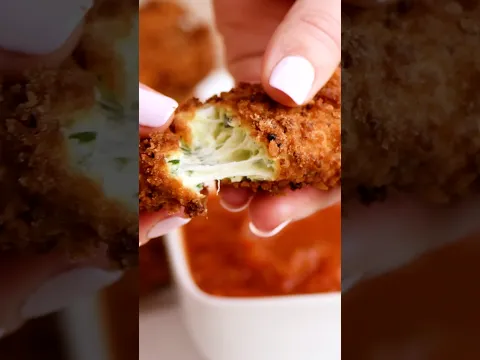 0:53
0:53The crunchy and cheesy goodness of a mozzarella stick combined with spinach artichoke dip 🧀✨
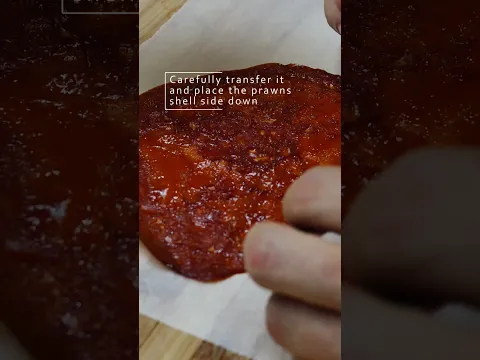 0:38
0:38Edible Fossil Chips Made From Prawn and Duck
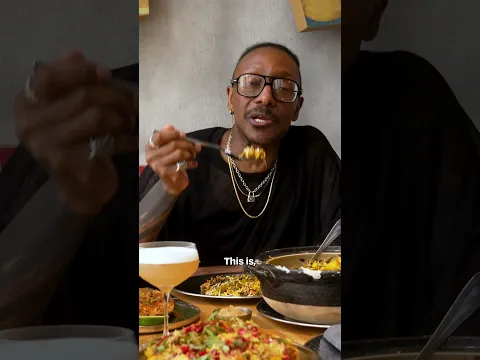 1:20
1:20Why Gregory Gourdet loves the Biryani at NYC's Dhamaka #nyc #eater
 0:18
0:18curry rice is easily my go-to choice for lunch!!🍛 #singapore #sgfoodie #hawkerfood #affordable
 9:00
9:00