I think I just made the Greatest Fried Chicken ever!
15 August 2026 · 8:54 watch
Advertisement
Discover how frying chicken in clarified butter transforms a classic comfort dish into a luxurious, ultra-savoury masterpiece with rich, nutty depth.
Key takeaways
- Clarifying butter raises its smoke point to around 250°C, making it safe and viable for deep-frying.
- Frying in butterfat imparts a rich, nutty, and sweet umami flavour profile that neutral oils cannot match.
- Japanese starch coatings work exceptionally well with butterfat to maintain a light, crispy texture.
- Strict filtration and temperature control are necessary to prevent rapid degradation of the premium cooking medium.
Lifting Fried Chicken with Clarified Butter
In the professional kitchen, the choice of frying medium is traditionally dictated by smoke point, cost-efficiency, and neutral flavour profiles. However, culinary innovator Guga Foods challenges this convention by experimenting with clarified butterClarified ButterButter from which water and milk solids have been removed, leaving predominantly butterfat. as the primary medium for deep-frying chicken. This technique lifts a humble comfort food classic into a luxurious, ultra-savoury dish. By stripping butter of its water and milk solids, chefs can exploit the rich, complex notes of butterfat at the high temperatures required for a perfectly crisp crust.
The Chemistry of Frying in Butterfat
Whole butter burns at relatively low temperatures because its milk solids scorch quickly. Clarifying the butter raises its smoke point significantly to around 250°C, making it highly suitable for deep-frying. This high threshold allows chefs to cook the chicken safely without the risk of bitter, burnt notes ruining the coating.
Frying in clarified butterClarified ButterButter from which water and milk solids have been removed, leaving predominantly butterfat. alters the thermodynamic heat transfer to the food. The butterfat wraps around the batter, creating a distinctive golden colour and an incredibly delicate crunch. When combined with Japanese-influenced marinades and starch coatings, the rich, lactic undertones of the fat complement the savoury soy and ginger elements, yielding a deep umamiUmamiThe savoury taste associated with compounds such as glutamate and certain nucleotides. profile that standard canola or peanut oils simply cannot replicate.
Commercial Viability and Kitchen Pitfalls
While the sensory results are spectacular, translating this technique to a commercial kitchen requires careful operational planning. Clarified butterClarified ButterButter from which water and milk solids have been removed, leaving predominantly butterfat. is a premium ingredient, making this method best suited for high-end specials or signature menu options rather than high-volume, everyday frying.
Additionally, temperature management and oil maintenance are critical. Butterfat degrades faster than highly refined seed oils when exposed to moisture and loose flour particles. Chefs must frequently filter the fat and skimSkimTo remove foam, fat or impurities from the surface of a liquid. off debris to prevent premature scorching. Managing these variables ensures a clean, nutty finish on every plate.
Master the Technique
To successfully execute this dish, focus on the starch-to-fat relationship. Japanese-style potato starch or cornstarch coatings work beautifully here, as they absorb less fat than traditional wheat flour, keeping the bite light despite the richness of the cooking medium. Double-frying at controlled temperatures can also assist in locking in moisture while maximising crispness.
Questions from the pass
Frequently asked questions
What is the main benefit of frying chicken in clarified butter instead of neutral oil?
The primary benefit is the dramatic improvement in flavour and aroma. Clarified butter introduces a rich, nutty, and sweet dairy undertone that penetrates the coating and meat, resulting in a far more complex and luxurious profile than neutral vegetable oils can provide.
Why must the butter be clarified before using it for deep-frying?
You must clarify the butter to remove the water and milk solids, which burn at low temperatures. Stripping these elements raises the smoke point to approximately 250°C, allowing you to fry chicken safely at standard deep-frying temperatures without scorching.
What type of coating works best when frying chicken in butterfat?
Starch-based coatings, such as Japanese potato starch or cornstarch, work best. These starches create a delicate, glass-like crust that resists absorbing excess fat, balancing the inherent richness of the clarified butter.
How should a chef manage the high cost of frying in clarified butter?
Chefs can manage costs by reserving this technique for premium, high-margin menu items or limited-run specials. Additionally, using a shallow-frying technique or small, dedicated fryers helps minimise the volume of butterfat required.
How do you prevent clarified butter from degrading quickly in a commercial fryer?
To prevent rapid degradation, you must meticulously filter the butterfat daily to remove any loose flour, breadcrumbs, or moisture. Maintaining strict temperature control and avoiding overheating when idle will also prolong the life of the fat.
Main ingredients
Original video by Guga Foods. This overview is written independently by The Chef's Circle editorial desk — watch the original on YouTube.
Keep reading
Related from the Community
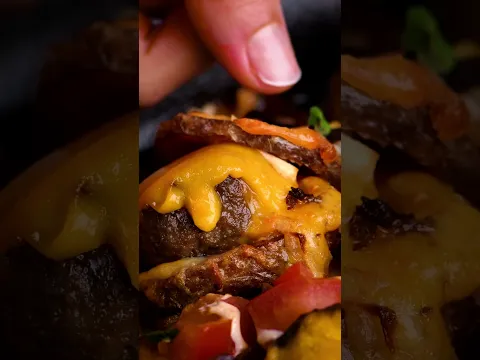 0:46
0:46Get a load of these cheeseburger fries 🍔🍟
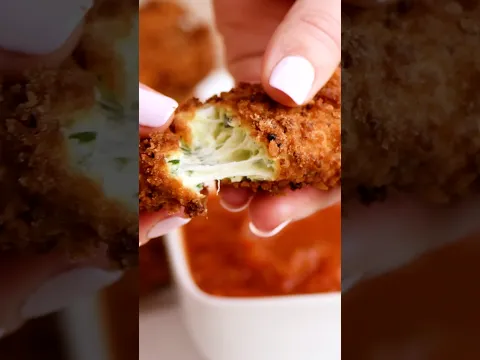 0:53
0:53The crunchy and cheesy goodness of a mozzarella stick combined with spinach artichoke dip 🧀✨
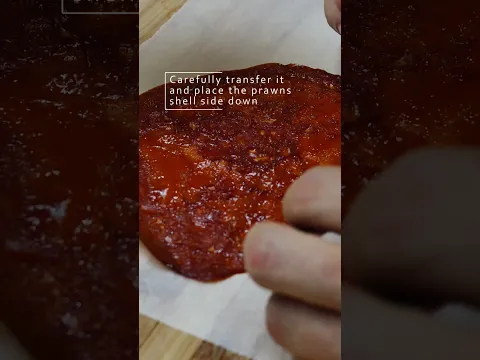 0:38
0:38Edible Fossil Chips Made From Prawn and Duck
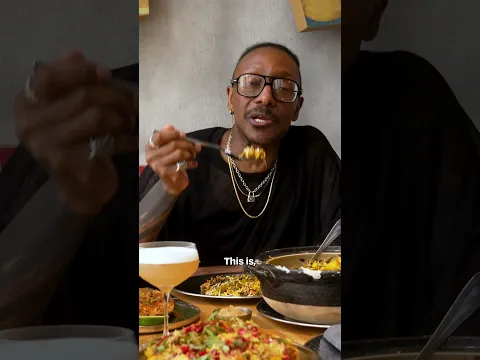 1:20
1:20Why Gregory Gourdet loves the Biryani at NYC's Dhamaka #nyc #eater
 0:18
0:18curry rice is easily my go-to choice for lunch!!🍛 #singapore #sgfoodie #hawkerfood #affordable
 9:00
9:00