Plum Flame Tart (2.0)
13 September 2026 · 11:07 watch
Advertisement
Master the science of crisp tart pastry and stone fruit moisture control with Helen Rennie's updated Plum Flame Tart method, featuring a vodka-laced dough and precise starch ratios.
Key takeaways
- Using vodka in the pastry dough limits gluten formation, yielding a tender, flaky crust that handles moisture well.
- Apply a two-stage chilling method to the rolled dough to completely eliminate pastry shrinkage in the tart ring.
- Use precise baker's percentages (15% sugar and 2% tapioca starch by fruit weight) to control plum moisture and prevent a soggy bottom.
- Bake in the bottom third of the oven to caramelise the base, then finish in the top third with an apricot glaze for a glossy, toasted top.
Classic fruit tarts live or die by their pastry structure and fruit hydration control. In this guide, Helen Rennie’s Plum Flame Tart (2.0) focuses on managing gluten development and fruit moisture release to produce a pristine, crisp-bottomed tart.
Mastering the Vodka-Laced Pastry
The foundation of this tart is a highly reliable pie dough designed to handle wet stone fruits. Rennie uses a precise food processor method that cuts cold unsalted butter into the flour, sugar, and salt before folding in a second addition of dry flour by hand. The defining technical element is the incorporation of fridge-cold water and freezer-cold vodka. Because alcohol does not promote gluten development in the same way water does, this technique allows the pastry to remain tender and flaky while providing enough moisture to bind the dough for rolling. RestingRestingAllowing cooked meat or another food to stand before serving so heat and juices can redistribute. the dough for at least 24 hours in the fridge allows the starches to hydrateHydrateTo add or absorb liquid into a dry ingredient or mixture. completely, preventing cracking when rolled out.
Managing Moisture and Shrinkage
Achieving a crisp, non-soggy base with prune plums requires careful starch-to-fruit ratios. Rennie pairs quartered prune plums with exactly 15% sugar and 2% tapioca starch by weight. This prevents the filling from weeping excessively and turning the pastry soggy during baking. To prevent the pastry from shrinking down the sides of the tart ring, Rennie employs a two-stage chilling process. Once rolled, the dough rests on a parchment-lined sheet in the fridge for 30 minutes to relax the gluten. Only then is it fitted into the tart ring and chilled for an additional hour before baking. This cold-stabilisation ensures the pastry retains its shape and holds the heavy vertical arrangement of plums.
The Two-Stage Bake and Glaze
Baking occurs in the lower third of the oven at 200°C (400°F) to ensure the pastry bottom caramelises effectively. Packing the plums vertically from the perimeter inwards ensures maximum fruit density. After a 40-minute initial bake, the tart is removed, glazed with warmed apricot preserves, and moved to the upper third of the oven (ideally with the convection fan running) for a final 5 to 10 minutes. This two-zone baking method seals the fruit, caramelises the glazeGlazeA shiny coating applied to food to add flavour, colour, moisture or visual finish., and keeps the bottom crust crisp.
Questions from the pass
Frequently asked questions
Why is vodka used in the tart dough recipe?
Vodka is used to provide moisture for binding the dough without activating gluten. Because gluten does not form in alcohol, replacing half of the hydration liquid with cold vodka ensures a highly tender, crisp crust that is easy to roll out without becoming tough.
How do you prevent the pastry from shrinking in the tart ring?
To prevent shrinkage, chill the rolled dough on a baking sheet for 30 minutes before fitting it into the ring. Once fitted, chill the shell for an additional hour in the fridge or freezer. This relaxes the gluten network and stabilises the fats before baking.
What is the purpose of using tapioca starch in the fruit filling?
Tapioca starch acts as a thickener that binds the juices released by the plums during baking. At a precise ratio of 2% of the fruit's weight, it prevents the excess moisture from weeping into the pastry crust, ensuring a crisp base without making the filling gummy.
Why does this recipe require a two-stage baking process at different heights?
Baking starts in the lower third of the oven to ensure direct heat thoroughly bakes and browns the bottom pastry crust. Moving the tart to the upper third for the final minutes, after glazing with apricot preserves, caramelises the top and creates a polished, professional finish.
Original video by Helen Rennie. This overview is written independently by The Chef's Circle editorial desk — watch the original on YouTube.
Keep reading
Related from the Community
 38:18
38:18These May Be the Most Delicious Potatoes in the World!
 1:04
1:04Pourquoi mes soupes manquent de profondeur
 17:04
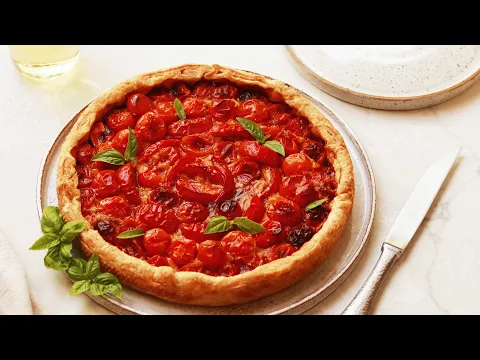
17:04Tomato Tart with Caramelized Onions and Gruyere (2.0)
 0:55
0:55The Easiest Way to Thicken Any Sauce
 0:41
0:41There are Only 5 Ingredients in This Choux Pastry
 59:48
59:48