The Apple “Pie” I Make When I Don’t Feel Like Making Pie
15 September 2026 · 9:40 watch
Advertisement
Ditch the pie tin for a rustic, high-margin dessert. This professional guide to the apple galette reveals why sour cream pastry dough is the ultimate shortcut to a flaky, dependable crust.
Key takeaways
- Sour cream replaces water in the pastry, introducing fat and lactic acid to tenderise the gluten structure.
- Keep butter pieces at pea-size during pulsing to ensure distinct steam pockets and ultra-flaky layers.
- Cornstarch is essential to bind released apple juices and prevent a soggy bottom crust during baking.
- Rustic pleating saves valuable prep time compared to traditional pie crimping without sacrificing final presentation.
The classic apple tart can be a time-consuming addition to a busy prep list. This editorial guides you through a streamlined, rustic alternative: the apple galette. By stripping away the need for precise pie tin lining and crimping, this open-faced tart delivers the same crisp pastry and spiced fruit contrast with significantly less labour. For chefs looking to add a high-margin, quick-turnaround dessert to a seasonal menu, mastering this style of pastry is highly efficient.
Hydration and Fats in the Galette Dough
The foundation of this pastry lies in its fat distribution and hydration method. Rather than relying on ice water, this formula introduces sour cream as the primary hydrating agent. The fat content in sour cream tenderises the gluten structure, yielding a remarkably flaky crust that remains pliable during rolling. To execute this, pulse flour, sugar, and salt in a food processor, then add cold, cubed butter. Pulse in short bursts until the butter pieces are roughly the size of peas.
Once the sour cream is added, pulse only until the mixture just begins to cling together. Over-processing at this stage activates the gluten and melts the fat, destroying the flaky layers. After forming the dough into a disk, a minimum 45-minute chill is required to let the flour fully hydrateHydrateTo add or absorb liquid into a dry ingredient or mixture. and the butter solidify.
Managing Fruit Moisture and Assembly
To prevent a soggy pastry base, the apple filling must be balanced with starch. Thinly slicing the apples to a uniform 6mm (1/4 inch) ensures even cooking. Tossing the fruit in a mix of brown and granulated sugars, lemon juice, cinnamon, vanilla, and cornstarch draws out excess moisture and binds it during baking.
Roll the chilled dough to a 30cm (12 inch) circle on a lightly floured surface. Arrange the apples in the centre, leaving a 5cm (2 inch) border. Fold this border over the fruit, pleating as you go. The beauty of this tart is its rustic, organic shape, which cuts down on preparation time. Brush the dough with an egg wash for a deep golden colour, dot the apple filling with butter to enrich the juices, and scatter coarse sugar over the top for texture. Bake at 205°C (400°F) for 40 minutes on a parchment-lined tray to catch any caramelised runs.
Questions from the pass
Frequently asked questions
Why use sour cream instead of ice water in the galette dough?
Sour cream introduces fat and acidity that tenderises the gluten. This results in a flaky, tender crust that is easier to roll out than traditional water-based pastry and is less prone to cracking when folded.
How do you prevent the bottom of the galette from getting soggy?
Cornstarch is tossed with the apples to bind their natural juices as they bake. Additionally, baking the galette on a hot sheet pan at a high temperature of 205°C (400°F) ensures the bottom crust cooks and crisps rapidly.
Can the pastry dough be prepared ahead of time?
Yes, you can prepare the dough disk in advance. Keep it wrapped tightly in plastic and refrigerated for up to two days, or freeze it for up to a month, thawing in the fridge before rolling.
What should I do if the dough cracks while rolling it out?
Cracking indicates the dough is too cold and the butter is rigid. Allow the disk to rest at room temperature for 10 minutes to soften slightly, which will make it pliable enough to roll smoothly.
Why is dotting butter over the exposed apples necessary?
Dotting butter over the filling enriches the released apple juices as they cook. It blends with the sugars and cornstarch to create a glossy, rich butter-caramel sauce directly inside the galette.
Original video by Sugar Spun Run. This overview is written independently by The Chef's Circle editorial desk — watch the original on YouTube.
Keep reading
Related from the Community
 38:18
38:18These May Be the Most Delicious Potatoes in the World!
 1:04
1:04Pourquoi mes soupes manquent de profondeur
 17:04
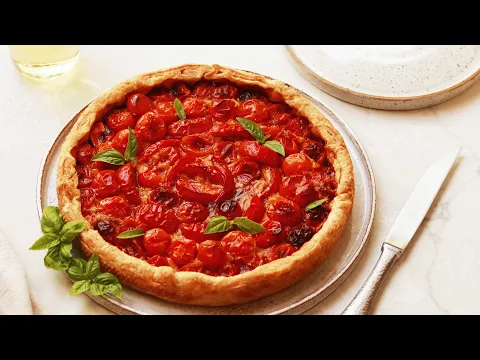
17:04Tomato Tart with Caramelized Onions and Gruyere (2.0)
 0:55
0:55The Easiest Way to Thicken Any Sauce
 0:41
0:41There are Only 5 Ingredients in This Choux Pastry
 59:48
59:48