I Tried Every Fast Food Fried Chicken in America
15 August 2026 · 27:42 watch
Advertisement
A deep dive into the texture, brining, and structural integrity of America's leading fast-food fried chicken options to extract valuable development benchmarks for professional kitchens.
Key takeaways
- To achieve a craggy commercial-style crust, splash small amounts of liquid wash into your dry dredge to create pre-clumped flour flakes.
- Rely on deep wet brining rather than heavy post-fry dusting to ensure the chicken retains its interior moisture when held under lamps.
- Prevent crust separation by ensuring the chicken is thoroughly patted dry before applying the initial binding layer.
- Incorporate corn starch or potato starch into the flour mixture to significantly prolong crunch retention for takeout orders.
In the modern culinary landscape, understanding high-street benchmarks is vital for any kitchen aiming to perfect its own casual-dining offering. In this exhaustive evaluation, culinary creator Joshua Weissman systematically reviews and analyses major fast-food fried chicken options in America. For professional chefs, this exercise goes far beyond simple taste-testing; it serves as a masterclass in dissecting the texture, seasoning levels, and structural integrity of commercially scaled fried poultry. By analysing what makes these high-volume offerings successful (or where they fail), chefs can refine their own brining, dredging, and frying protocols.
Decoding the Crust-to-Meat Ratio
The primary takeaway from analysing high-volume fried chicken is the critical importance of dredgeDredgeTo coat food lightly in flour, breadcrumbs or another dry ingredient. texture and adherence. A common pitfall in commercial fried chicken is a heavy, leaden crust that detaches from the meat, creating an unappealing steam pocket. Successful fast-food variations rely on a highly textured, flaky exterior—often achieved by adding small splashes of buttermilk or starch-slurrySlurryA mixture of starch and cold liquid used to thicken sauces, soups or gravies. to the dry flour dredge to create pre-clumped "flakes". This technique increases surface area, yielding a louder crunch and superior oil drainage. Additionally, the thickness of the coating must balance the cut; a thick, craggy crust suits robust bone-in pieces but can easily overwhelm smaller, delicate tenders.
Balancing Moisture, Salt, and Spice
A major differentiator among the tested brands is the depth of seasoning. The most successful commercial products do not rely solely on surface dustings; instead, they employ intensive brining processes. Deep, structural seasoning through wet brining or vacuum-tumbling ensures that moisture is retained even under holding lamps, preventing the meat from drying out. Furthermore, the heat profile must be layered. Rather than relying on a singular note of cayenne or chilli powder, the best-performing commercial crusts integrate monosodium glutamate (MSG), garlic powder, and white pepper to build a complex, savoury background that enhances the natural flavour of the chicken.
Operational Takeaways for High-Volume Service
For chefs operating busy lines, the holding capability of fried chicken is just as important as its immediate quality out of the fryer. Many commercial products lose their crispness rapidly when boxed. Professional kitchens must consider how steam escapes during delivery or holding. Choosing high-amylose starches (such as potato or corn starch) alongside wheat flour in the dredgeDredgeTo coat food lightly in flour, breadcrumbs or another dry ingredient. mixture can significantly extend crunch retention, ensuring the product survives the journey from the pass to the customer's table.
Questions from the pass
Frequently asked questions
How do high-volume kitchens achieve a flaky, craggy texture on fried chicken?
High-volume kitchens achieve this texture by drizzling a small amount of liquid marinade or buttermilk into the dry flour dredge before coating. This creates small, wet clumps of flour that adhere to the chicken, forming an irregular, highly textured surface that crisps up beautifully during deep-frying.
What causes the fried chicken crust to separate from the meat after cooking?
Crust separation is typically caused by trapped steam escaping from the chicken meat. If the chicken is wet before dredging or if there is no proper binding layer, steam pushes the crust away from the flesh, resulting in a soggy pocket instead of a cohesive, crunchy bite.
Why is brining so critical for commercial-style fried chicken?
Brining is essential because it denatures the chicken proteins, allowing them to hold more moisture. This ensures the meat remains exceptionally juicy and seasoned throughout, even when held under heat lamps or subjected to prolonged transit times in delivery packaging.
How does starch choice affect the longevity of fried chicken crispness?
Adding starches like corn starch, potato starch, or rice flour to a traditional wheat flour dredge prevents gluten development. This creates a more delicate, glass-like crunch that resists absorbing moisture, keeping the chicken crispy for significantly longer periods after leaving the fryer.
Original video by Joshua Weissman. This overview is written independently by The Chef's Circle editorial desk — watch the original on YouTube.
Keep reading
Related from the Community
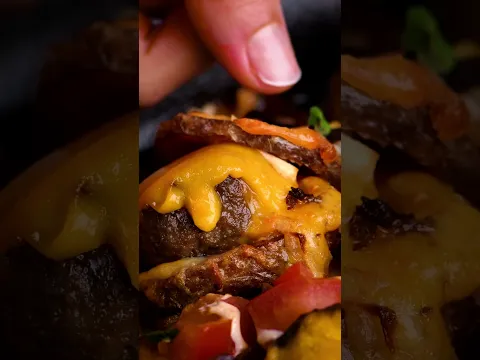 0:46
0:46Get a load of these cheeseburger fries 🍔🍟
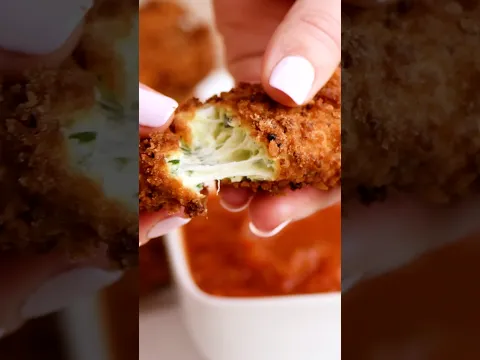 0:53
0:53The crunchy and cheesy goodness of a mozzarella stick combined with spinach artichoke dip 🧀✨
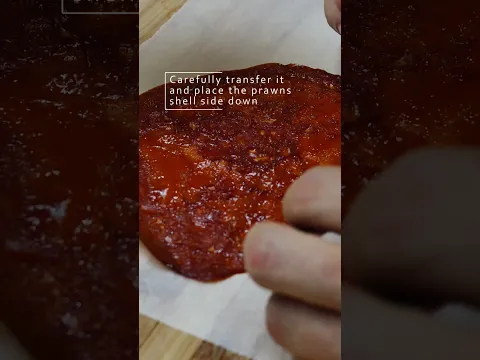 0:38
0:38Edible Fossil Chips Made From Prawn and Duck
 1:20
1:20Why Gregory Gourdet loves the Biryani at NYC's Dhamaka #nyc #eater
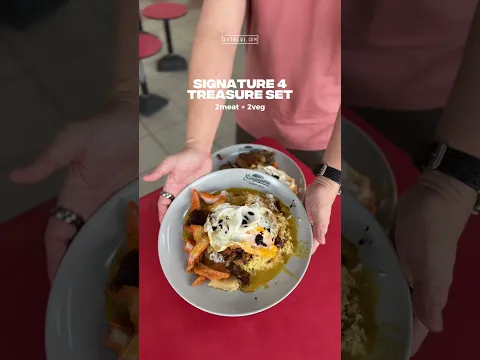 0:18
0:18curry rice is easily my go-to choice for lunch!!🍛 #singapore #sgfoodie #hawkerfood #affordable
 9:00
9:00