I Tried Every Fast Food Chicken Tender In America
15 August 2026 · 19:20 watch
Advertisement
An in-depth editorial analysis of commercial fried chicken tenders, exploring the crucial roles of crust adhesion, starch ratios, brining, and hold-time durability for professional chefs and high-volume kitchens.
Key takeaways
- Prioritise true chicken tenderloins over portioned breast meat to ensure even cooking and a naturally tender texture.
- Implement a robust wet or dry brine to retain moisture and distribute seasoning throughout the core of the protein.
- Optimise dredge adhesion by ensuring the chicken is properly patted dry before entering the flour-and-liquid cycle to prevent crust separation.
- Incorporate starches like cornflour or potato starch into the flour dredge to prolong crispness during holding times.
Analyzing the commercial landscape of fried chicken tenders reveals critical lessons in texture, seasoning, and structural integrity that apply directly to professional kitchens. In this comprehensive evaluation of America's leading fast-food chicken tenders, the focus shifts beyond mere convenience to dissect what makes a fried tender successful under holding conditions. For chefs designing high-volume menus or casual dining concepts, understanding the interplay between dredgeDredgeTo coat food lightly in flour, breadcrumbs or another dry ingredient., batter, and protein hydration is key to delivering a superior product.\n\n## Deciphering Crust Architecture and Adhesion\nThe ultimate test of a fried chicken tender is its crust. A major pitfall in high-volume deep frying is "blow-off"—where the coating separates from the meat, creating steam pockets that renderRenderTo slowly heat fatty tissue so that its fat melts away. the crust soggy. Successful commercial variations rely on a multi-stage dredging process that ensures complete adhesion. Whether utilising a classic buttermilk-and-flour sequence or a starch-heavy batter, the coating must seal the juices in while remaining exceptionally crisp. Chefs should note how different fast-food chains balance heavy, craggy, flake-style crusts against light, tempuraTempuraJapanese cooking in which ingredients are coated in a light batter and quickly fried.-style batters. A thicker, craggier crust provides a satisfying crunch and holds up better to dipping sauces, but it requires precise temperature management to prevent the exterior from burning before the chicken tenderloin is fully cooked.\n\n## The Role of Brining and Moisture Retention\nA common failure in fast-food chicken is dryness, particularly when using breast meat rather than actual tenderloins. Professional kitchens can prevent this by prioritising a thorough wet or dry brining process. Brining denatures the proteins, allowing the chicken to retain its natural juices even under the intense heat of deep frying. The evaluation highlights how some brands maintain a plump, fibrous texture, while others suffer from a spongy or processed mouthfeel. For premium service, utilising the true tenderloin is paramount; its natural shape cooks evenly and offers a far superior, tender bite compared to portioned breast meat.\n\n## Consistency and Hold Time in Service\nPerhaps the most valuable takeaway for a kitchen team is how these products perform over time. A tender might taste excellent straight from the fryer, but its true quality is measured after ten minutes on a pass or in a delivery box. Heavy starch-based coatings and double-dredging techniques significantly extend the product's shelf life, preventing steam from softening the exterior. Chefs must weigh the delicate crunch of a light dredge against the robust endurance of a starch-fortified batter when planning for event catering or takeaway menus.
Questions from the pass
Frequently asked questions
How can chefs prevent the crust from falling off fried chicken tenders?
Crust separation is prevented by ensuring the chicken surface is dry before dredging. Dusting the meat lightly with flour, dipping it in an egg or buttermilk wash, and then pressing it firmly into a seasoned flour mixture creates a strong bond that survives the steam expansion during deep frying.
What is the advantage of using real chicken tenderloins over breast strips?
Real tenderloins offer a more consistent, tender texture due to their specific muscle fibre structure. Portioned breast meat can cook unevenly and often becomes dry, whereas the natural pectoralis minor muscle cooks quickly and retains its shape and succulence far better during high-heat frying.
How do commercial operators keep fried chicken crispy during holding times?
High-volume operators achieve long-lasting crispness by adding high-amylose starches, such as cornflour or potato starch, to their flour dredges. This modification creates a more rigid crystalline structure in the crust, which resists absorbing moisture from the escaping steam while sitting on a heated pass.
Is wet brining or dry brining better for high-volume chicken tender prep?
Wet brining is highly effective for large batches as it guarantees uniform salt and moisture penetration throughout the meat. However, dry brining is excellent for smaller-scale operations where kitchen space is limited, as it seasons the meat deeply without adding excess surface water that can ruin crust adhesion.
Original video by Joshua Weissman. This overview is written independently by The Chef's Circle editorial desk — watch the original on YouTube.
Keep reading
Related from the Community
 0:46
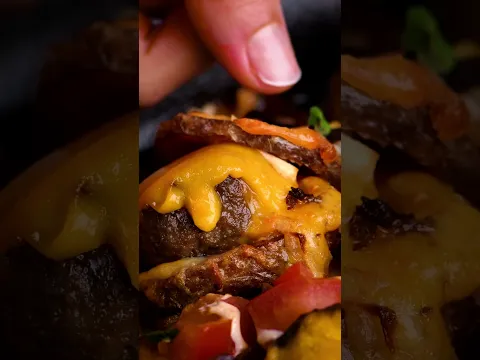
0:46Get a load of these cheeseburger fries 🍔🍟
 0:53
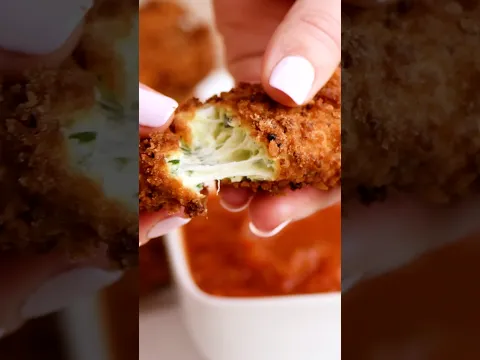
0:53The crunchy and cheesy goodness of a mozzarella stick combined with spinach artichoke dip 🧀✨
 0:38
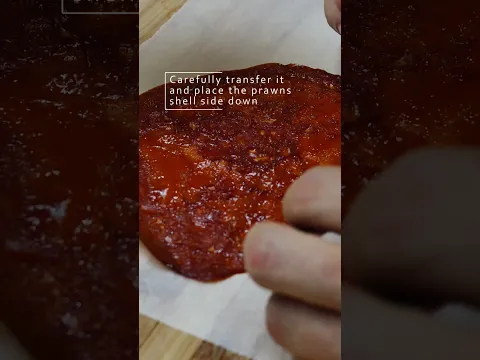
0:38Edible Fossil Chips Made From Prawn and Duck
 1:20
1:20Why Gregory Gourdet loves the Biryani at NYC's Dhamaka #nyc #eater
 0:18
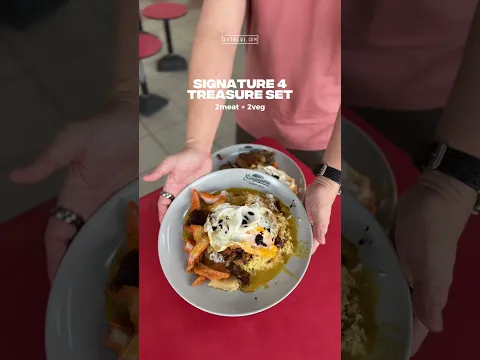
0:18curry rice is easily my go-to choice for lunch!!🍛 #singapore #sgfoodie #hawkerfood #affordable
 9:00
9:00