The BEST Cheesy Potato Bites
15 August 2026 · 0:37 watch
Advertisement
Discover the professional techniques behind Joshua Weissman's cheesy potato bites, focusing on starch binding, moisture control, and cheese blending for the ultimate bar snack.
Key takeaways
- Manage potato moisture carefully to prevent the starch binder from breaking during frying.
- Combine low-moisture melting cheeses with sharper, aged cheeses for the ideal balance of elasticity and flavour.
- Freeze portioned bites prior to frying to improve structural retention and streamline service delivery.
- Maintain precise frying temperatures to ensure a crisp outer crust and a fully melted core.
Joshua Weissman's demonstration of cheesy potato bites focuses on lifting a humble side dish or bar snack into a high-texture, technically precise bite. For professional chefs, this preparation highlights how to manipulate potato starch and cheese to achieve a shatteringly crisp exterior while maintaining a molten, airy interior.
Mastering Potato Starch and Moisture Control
The key to executing perfect cheesy potato bites lies in rigorous moisture management. Chefs must balance the natural water content of boiled or steamed potatoes with binders to ensure structural integrity during cooking. If the mixture is too wet, the bites risk blowing out in the fryer or absorbing excess oil. Drying the cooked potatoes thoroughly before mashing and incorporating precise amounts of starch—typically cornflour or potato starch—creates a cohesive dough that holds its shape. This technique is essential for high-volume prep, allowing the bites to be portioned, shaped, and frozen ahead of service without compromising their eventual texture.
Cheese Selection and Binding Properties
Selecting the correct cheese is critical for both the flavour profile and structural stability. The method highlights how combining high-melting-point cheeses for depth of flavour with highly elastic, low-moisture cheeses (such as mozzarella) achieves that coveted molten pull without causing the bites to disintegrate. Chefs must consider the oil release of their chosen cheeses; overly greasy dairy can break the starch emulsion, leading to greasy, deflated bites. Ensuring the cheese is finely grated and evenly distributed throughout the potato dough creates a uniform matrix that melts consistently during the quick cooking process.
Optimising Fry Tech and Service Execution
For professional kitchens, consistency on the line is paramount. The potato bites must be fried at a precise temperature to ensure the exterior becomes golden and crisp in the exact window of time it takes for the cheesy interior to melt completely. Frying at too low a temperature leads to oil-logging and a soggy product, while too high a temperature scorches the exterior before the cheese has liquefied. These bites are excellent candidates for advance preparation, as they can be shaped, blast-frozen, and fried straight from the freezer to order, streamlining pass logistics during peak service times.
Questions from the pass
Frequently asked questions
What is the best potato variety for making cheesy potato bites?
Russet or Maris Piper potatoes are ideal for this preparation due to their high starch and low moisture content. These floury varieties yield a fluffy texture when mashed, which easily binds with the added starch and cheese. Avoid waxy potatoes, as they can become gummy when worked, ruining the delicate, airy interior structure required for the bite.
How do you prevent the potato bites from bursting open while frying?
To prevent bursting, ensure the potato mixture has sufficient starch binder and that the exterior is completely sealed without air pockets. Freezing the shaped bites before frying also helps the exterior set quickly, creating a protective crust before the steam from the cheese and potato expands too rapidly. Maintaining a consistent frying temperature is also critical.
Can these potato bites be prepared in advance for a busy banqueting service?
Yes, these potato bites are highly suited for advance prep and can be blast-frozen after shaping. Store them in airtight containers in the freezer, and fry them directly from frozen to order. Frying from frozen extends the cook time slightly but helps maintain their round shape and prevents the cheese from melting out too quickly.
Which cheese blend offers the best balance of stretch and flavour?
A blend of low-moisture mozzarella and an aged cheese like sharp Cheddar or Parmesan works best. Mozzarella provides the necessary elasticity and classic stretch, while the aged cheeses deliver a deep, complex savoury flavour. Be cautious with high-fat, young cheeses that release too much oil, which can cause the potato binder to break.
What role does starch play in the potato dough formulation?
Starch acts as a crucial binder and moisture absorber within the potato dough. Adding cornflour or potato starch reinforces the natural starches of the potato, creating a pliable dough that can be easily shaped. Upon frying, the surface starch gelatinises and dries out rapidly, producing an exceptionally crisp, protective outer shell.
Original video by Joshua Weissman. This overview is written independently by The Chef's Circle editorial desk — watch the original on YouTube.
Keep reading
Related from the Community
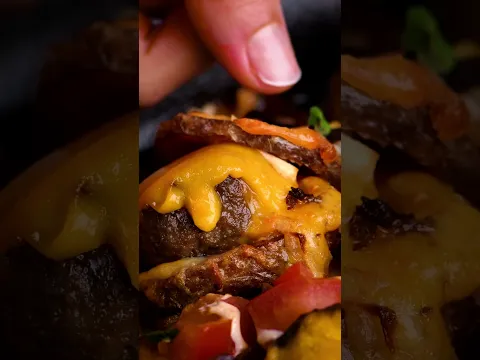 0:46
0:46Get a load of these cheeseburger fries 🍔🍟
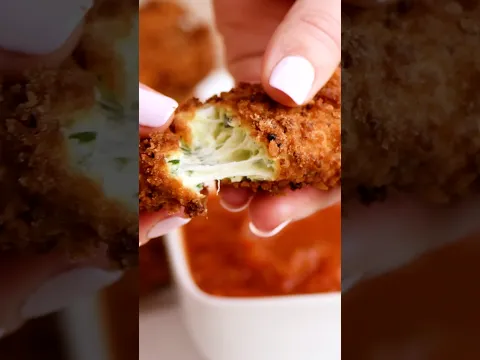 0:53
0:53The crunchy and cheesy goodness of a mozzarella stick combined with spinach artichoke dip 🧀✨
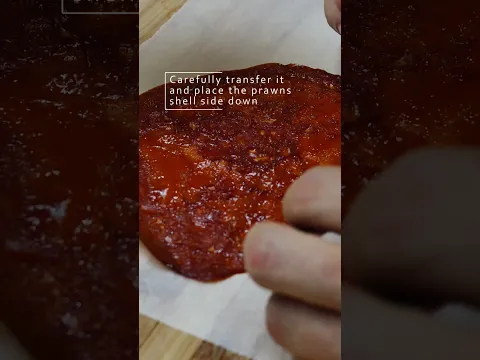 0:38
0:38Edible Fossil Chips Made From Prawn and Duck
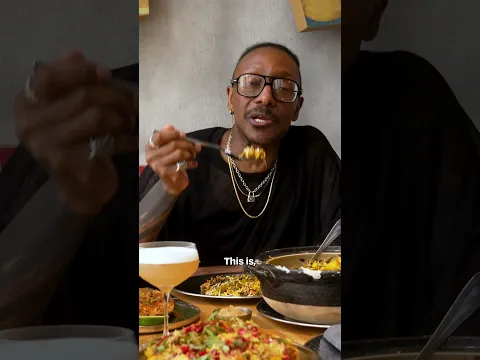 1:20
1:20Why Gregory Gourdet loves the Biryani at NYC's Dhamaka #nyc #eater
 0:18
0:18curry rice is easily my go-to choice for lunch!!🍛 #singapore #sgfoodie #hawkerfood #affordable
 9:00
9:00