Korean Fried Chicken (Yangnyeom-tongdak: 양념통닭)
15 August 2026 · 9:20 watch
Advertisement
Discover the professional techniques behind authentic Korean fried chicken (Yangnyeom-tongdak). Learn how starch coatings, double-frying, and a perfectly emulsified glaze combine to create a world-class dish that stays crispy on the pass.
Key takeaways
- Double-frying is essential to expel moisture and ensure the starch crust remains crispy under a heavy sauce.
- Using a starch-based coating rather than wheat flour creates a lighter, more brittle crunch.
- The glaze must be reduced to a sticky, syrupy state before tossing to prevent soggy chicken.
- Serve with traditional quick-pickled white radish (chicken-mu) to balance the rich, spicy flavours.
Korean fried chicken (Yangnyeom-tongdak) has secured its position as a global culinary phenomenon, celebrated for its shatteringly crisp exterior and rich, glossy glazeGlazeA shiny coating applied to food to add flavour, colour, moisture or visual finish.. For professional kitchen environments, mastering this preparation requires an understanding of starch-based battering and the essential double-frying technique. In this updated guide, Korean culinary authority Maangchi demonstrates the refined methodology needed to achieve a durable crunch that stands up to heavy saucing without losing texture during service.
The foundation of this technique lies in the coating. Unlike traditional Western-style flour dredges, authentic Korean fried chicken relies heavily on starches—typically potato or corn starch—to create a thin, brittle shell. When fried, this starch barrier absorbs minimal oil while creating a highly textured surface. Chefs must focus on the crucial double-frying process: the first fry cooks the chicken through and establishes the structure, while the second high-heat fry expels residual moisture from the crust, ensuring it remains incredibly crisp even after being tossed in a heavy glazeGlazeA shiny coating applied to food to add flavour, colour, moisture or visual finish..
Optimising Glaze Consistency and Adhesion
The defining element of Yangnyeom-tongdak is its sweet and spicy glazeGlazeA shiny coating applied to food to add flavour, colour, moisture or visual finish.. The challenge for a commercial kitchen is balancing the viscosity so that the sauce coats each piece evenly without pooling at the bottom of the pass or rendering the crust soggy. Maangchi’s approach highlights the synergy between fermented chili paste (gochujang), sweetness, and aromaticsAromaticsIngredients such as onions, garlic, celery, herbs and spices used to build flavour in a dish..
To achieve the perfect glazeGlazeA shiny coating applied to food to add flavour, colour, moisture or visual finish., the sauce must be reduced to a sticky, syrupy consistency before the hot, double-fried chicken is introduced. Tossing the chicken quickly in a hot pan ensures the glaze adheres instantly, caramelising slightly on the hot crust. This quick-tossing technique prevents the steam from softening the starch shell, keeping the chicken crunchy for extended periods—an absolute necessity for high-volume takeaway and casual dining operations.
Service Integration and Accompaniments
To deliver an authentic experience, service flow must be carefully considered. Yangnyeom-tongdak is traditionally paired with "chicken-mu"—a crisp, sweet-and-sour pickled radish that cuts through the richness of the fried meat. Preparing this banchan in advance provides a refreshing temperature and texture contrast that lifts the dish from simple street food to a refined casual dining main.
Questions from the pass
Frequently asked questions
Why is potato starch preferred over wheat flour for Korean fried chicken?
Potato starch is preferred because it contains no gluten, resulting in a lighter, crisper, and more brittle crust. Unlike wheat flour, which can become bready and absorb excess oil, starch forms a thin barrier that seals in juices while expelling moisture during the frying process to maintain ultimate crunch.
What is the purpose of double-frying the chicken?
Double-frying is essential to achieve a long-lasting, shatteringly crisp exterior. The first fry cooks the chicken through and sets the starch coating, while the second fry at a higher temperature quickly cooks off any remaining moisture in the crust, keeping it crunchy even when glazed.
How do you prevent the spicy yangnyeom glaze from making the chicken soggy?
You prevent sogginess by reducing the glaze to a thick, syrupy consistency before tossing the chicken. The hot, double-fried chicken should be tossed rapidly in the warm glaze to ensure immediate coating and evaporation of surface moisture, preserving the crisp crust underneath.
Why is pickled radish (chicken-mu) traditionally served alongside this dish?
Pickled radish is served as a traditional palate cleanser to cut through the rich, deep-fried chicken and spicy glaze. Its cold, crisp texture and sweet-and-sour acidity balance the palate, preparing the diner for the next bite and enhancing the overall dining experience.
Original video by Maangchi. This overview is written independently by The Chef's Circle editorial desk — watch the original on YouTube.
Keep reading
Related from the Community
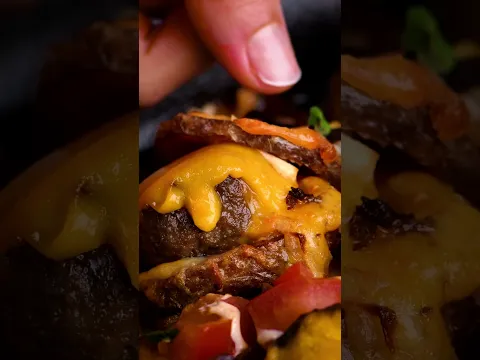 0:46
0:46Get a load of these cheeseburger fries 🍔🍟
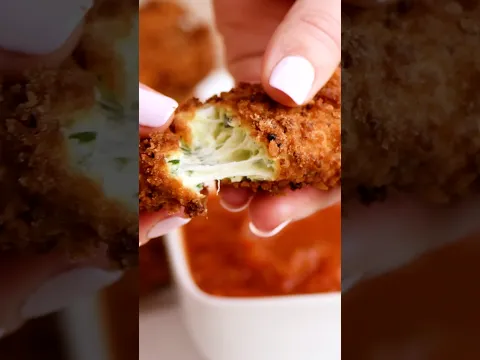 0:53
0:53The crunchy and cheesy goodness of a mozzarella stick combined with spinach artichoke dip 🧀✨
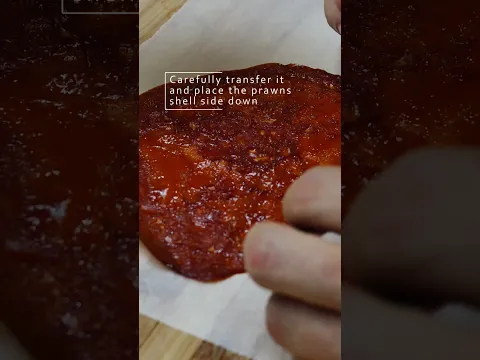 0:38
0:38Edible Fossil Chips Made From Prawn and Duck
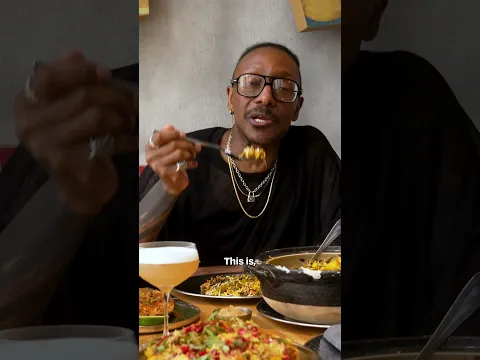 1:20
1:20Why Gregory Gourdet loves the Biryani at NYC's Dhamaka #nyc #eater
 0:18
0:18curry rice is easily my go-to choice for lunch!!🍛 #singapore #sgfoodie #hawkerfood #affordable
 9:00
9:00