How to Make Cheap Steak Better Than A Ribeye
15 August 2026 · 21:47 watch
Advertisement
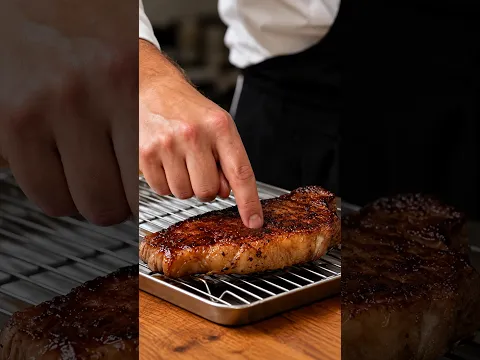
Fallow's Will Croft and Jack Tennant explore nine underrated, cost-effective beef cuts that offer exceptional depth of flavour, challenging the supremacy of the classic ribeye on modern restaurant menus.
Key takeaways
- Secondary cuts like onglet and goose skirt provide superior depth of flavour but require precise temperature management and resting.
- Slicing strictly against the grain is critical for loose-grained cuts to ensure tenderness on the plate.
- Utilising cheaper cuts improves kitchen margins and supports sustainable, nose-to-tail menu development.
- Vigilant heat control is essential as secondary cuts have coarser muscle fibres and dry out faster than premium cuts.
Lifting Secondary Cuts on the Modern Menu
In an era of rising food costs and tightening margins, relying solely on premium beef cuts like the ribeye or filletFilletA boneless portion of meat or fish removed from the main body of the animal. is a luxury few commercial kitchens can afford. Chefs Will Croft and Jack Tennant of London’s Fallow take a deep dive into the culinary potential of nine alternative beef cuts. By understanding the distinct muscle structures, fat distributions, and moisture levels of these underrated pieces, chefs can introduce high-value, highly flavourful options to their menus that rival—and sometimes surpass—traditional prime steaks.
The exploration bypasses standard studio setups to focus on the raw realities of cooking over open flames. The core lesson for modern kitchens is that value cuts require precise heat management, restingRestingAllowing cooked meat or another food to stand before serving so heat and juices can redistribute. times, and slicing techniques to perform at their best.
Navigating the Nine: From Chuck Eye to Goose Skirt
The journey through alternative beef cuts covers a broad spectrum of textures and fat content. Key cuts analysed include:
- The Chuck Eye and Tri-tip: Offering rich marbling and robust beef flavour, these cuts require careful heat control to ensure the fat renders without drying out the leaner sections.
- The Onglet and Goose Skirt: Highly prized for their deep, iron-rich flavour, these loose-grained cuts require fast, hot cooking and must be sliced strictly against the grain to remain tender.
- The Flat Iron and Pave: Noted for their clean textures and uniform shapes, making them excellent candidates for consistent portioning and presentation.
- The Short Rib and Cap: Packed with intermuscular fat, these sections require aggressive searing to melt the collagen and release their deep, buttery notes.
Operational Takeaways for the Kitchen
Integrating these cuts into a professional service requires more than just swapping the menu text. Chefs must train staff on the unique cooking curves of secondary muscles. Because these cuts often possess coarser muscle fibres than a ribeye, they are less forgiving to overcooking. Utilising accurate temperature probes and allowing for extended restingRestingAllowing cooked meat or another food to stand before serving so heat and juices can redistribute. periods is essential to retain moisture. By mastering these cheaper cuts, kitchens can champion nose-to-tail philosophy, lower their food cost percentages, and offer guests an authentic, flavour-forward dining experience.
Questions from the pass
Frequently asked questions
Why should a restaurant menu feature secondary cuts like goose skirt instead of ribeye?
Secondary cuts offer significantly better profit margins and a deeper, more robust beef flavour than traditional premium cuts. When prepared correctly, cuts like goose skirt or onglet provide a unique dining experience that distinguishes a menu from standard steakhouse offerings.
How do you prevent lean, loose-grained steaks from becoming tough?
Prevent toughness by cooking them rapidly over high heat to medium-rare or rare, followed by a thorough resting period. Crucially, the kitchen must carve these steaks strictly against the grain to break up the long, coarse muscle fibres.
What are the primary cooking challenges when working with a chuck eye steak?
The primary challenge is managing the uneven distribution of fat and tissue. Because the chuck eye contains different muscle groups, it requires attentive grilling to ensure the fat renders fully without overcooking the leaner sections of the meat.
Which secondary cut offers the best consistency for portion control?
The flat iron and pave steaks offer excellent consistency due to their uniform shape and clean, rectangular structure. This makes them ideal for professional kitchens requiring precise portion control and presentation across busy dinner services.
Main ingredients
Original video by Fallow Restaurant. This overview is written independently by The Chef's Circle editorial desk — watch the original on YouTube.
Keep reading
Related from the Community
 0:41
0:41The making of OSIP #restaurant #chef #cheflife #finedining #somerset #cooking #recipe #shorts #food
 47:23
47:23Steve | The Vivaldi Way is live!
 47:23
47:23Jamie Oliver's Chicken Recipes & Ideas To Try This Weekend
 0:27
0:27How To Fry The Perfect Steak #howto #shorts
 0:59
0:59Is Resting a Steak Worth It?
 19:16
19:16