24 Hours With A Japanese Izakaya Chef: Torasho Ramen & Charcoal Bar
15 August 2026 · 15:32 watch
Advertisement
Go behind the scenes at Singapore's Torasho Ramen & Charcoal Bar to discover how Chef Sho balances a high-volume daytime ramen menu with a refined evening charcoal grill service.
Key takeaways
- Thermal zoning is critical: separate high-moisture broth stations from intense, dry-heat charcoal grilling areas.
- Structure prep times hierarchically, prioritising long-cook stocks early in the day to avoid evening bottlenecks.
- Optimise food yields by routing charcoal-station meat trims directly into ramen stockpots and minced toppings.
- Design clear service transitions to help staff shift mentally and operationally from fast lunch turnover to paced evening dining.
Managing a dual-concept kitchen that operates as both a high-volume ramen bar and a refined charcoal izakaya requires exceptional operational flow and precise thermal control. Chef Sho of Torasho Ramen & Charcoal Bar in Singapore demonstrates the meticulous daily cycle needed to sustain this demanding hybrid model. For professional chefs, the venue offers a masterclass in balancing high-moisture prep (ramen broths) with dry-heat execution (charcoal grilling) within a compressed footprint.
Dual-Temperature Kitchen Management
At the core of Torasho's success is the division of kitchen stations to handle distinct cooking methods simultaneously. The ramen program relies on long-simmered, collagen-rich broths that require continuous monitoring to achieve emulsion without burning. This wet-heat preparation requires consistent, low-intensity heat over many hours.
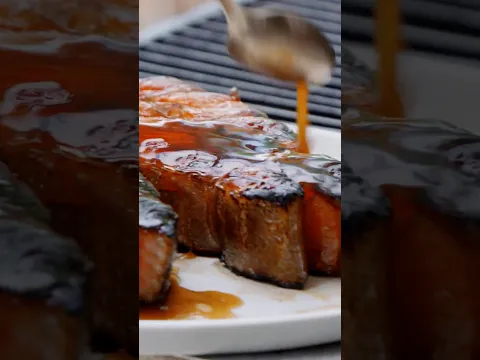
In contrast, the charcoal grillGrillTo cook using direct radiant heat. demands intense, dry radiant heat. Chef Sho utilises traditional grilling techniques to searSearTo expose food to high heat to develop a browned exterior. and smoke meats rapidly, sealing in juices while imparting a distinct binchotan aroma. Managing these two distinct thermal profiles simultaneously requires skilled station leaders who can transition from the slow, steady pace of stockStockA liquid made by simmering bones, meat, fish, vegetables or aromatics. reduction to the rapid, high-pressure environment of the live-fire line.
Overcoming the Dual-Concept Pitfalls
The primary pitfall in running a day-to-night izakaya is operational bottlenecking. Lunch service requires rapid table turnover, dominated by single-portion ramen bowls. Dinner, however, shifts to a leisurely, multi-course dining experience centred around small plates and grilled skewers.
To prevent service delays, the prep schedule must be strictly regimented. BrothBrothA seasoned liquid produced by simmering meat, vegetables, bones or other ingredients. production and meat portioning occur during the early morning hours, ensuring the kitchen is fully stocked before the lunch rush. Between services, the kitchen transitions: broth stations are maintained at holding temperatures while the charcoal station is built up and calibrated for the evening service. This structured division of time prevents prep overlap and ensures staff are focused on one style of execution at a time, protecting both food quality and kitchen morale. Maintaining ingredient integrity across both menus also allows the kitchen to utilise premium meat trim for stocks and minced toppings, minimising waste and maximising yields.
Questions from the pass
Frequently asked questions
How do you manage kitchen space when running both a ramen station and a charcoal grill?
Zoning is critical. Keep wet-prep zones for stocks physically separate from the dry, intense heat of the charcoal grill to avoid temperature interference and cross-contamination. Use distinct prep schedules so that bulk stock simmering is completed before the active grilling station is lit for service.
What is the best way to handle charcoal heat management during a busy service?
Use high-density binchotan charcoal for stable, long-lasting heat. Create distinct heat zones on the grill grate—hot zones for rapid searing and cooler zones for resting or gentle cooking. This prevents flare-ups from fat drippings and ensures even cooking of delicate skewers.
How can an izakaya kitchen minimise food waste across dual menus?
Create an ingredient loop between your stations. High-cost meat cuts portioned for the charcoal grill generate trim, which should be immediately repurposed for ramen toppings, mince, or rich dashi-based stock bases. This cross-utilisation maximises ingredient yield and lowers overall food costs.
How do you transition a kitchen from high-turnover lunch to a relaxed dinner service?
Establish a strict mid-afternoon reset period. Clean down the fast-casual ramen stations, hold broths at safe holding temperatures, and pivot the line setup toward small-plate mise en place. This clear operational break allows the kitchen brigade to reset their pace for the slower, multi-course evening service.
Original video by SETHLUI.com. This overview is written independently by The Chef's Circle editorial desk — watch the original on YouTube.
Keep reading
Related from the Community
 10:12
10:12I Tried to DETHRONE YouTube’s #1 Steak Video
 0:22
0:22Celebrating Culture and Community
 0:53
0:53HOT PLATE 🔥 Hausu - BBQ pork collar #bbq #chef #london #londonrestaurants #restaurant #pork#cheflife
 19:27
19:27Authentic Uzbek Plov That ALWAYS Turns Out Perfect and Delicious!
 14:10
14:10Not Shashlik, But a BOMB! Juicy Liver Roll in Fat on the Grill
 1:07
1:07