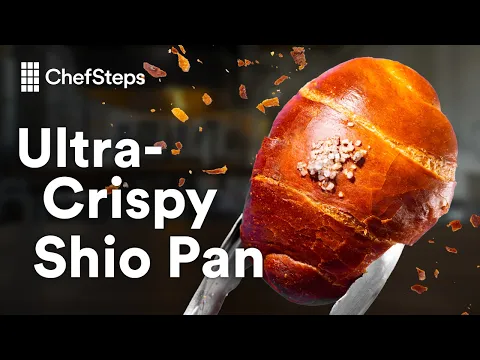
 18:58
18:58ChefSteps
We Cracked the Code on Viral Salt Bread (Shio Pan)
Discover how ChefSteps cracks the code on Japanese salt bread (shio pan), using a tangzhong starter and a genius starch glaze to secure an ultra-crisp crust.
Technique
Modernist technique: hydrocolloids, sous vide, gels, foams, rotary work and centrifuges — used to solve a problem, not to decorate one.
Modernist technique: hydrocolloids, sous vide, gels, foams, rotary work and centrifuges — used to solve a problem, not to decorate one.
18:58Discover how ChefSteps cracks the code on Japanese salt bread (shio pan), using a tangzhong starter and a genius starch glaze to secure an ultra-crisp crust.
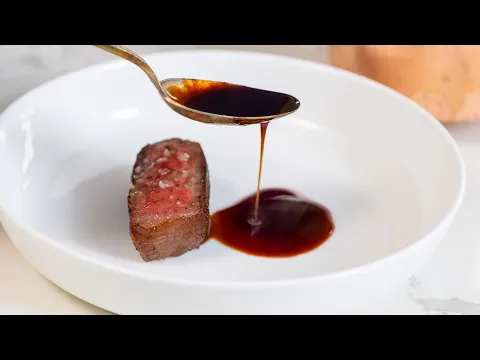 6:55
6:55Master the science of high-end sauce making. Learn how to use pressure extraction, precise reduction, and stable emulsification to create a glossy, Michelin-standard steak sauce.
 7:02
7:02Ditch the traditional four-week wait. Learn how applying controlled heat can compress the herbal infusion process into a single eight-hour kitchen shift, while avoiding critical safety pitfalls like moisture and UV degradation.
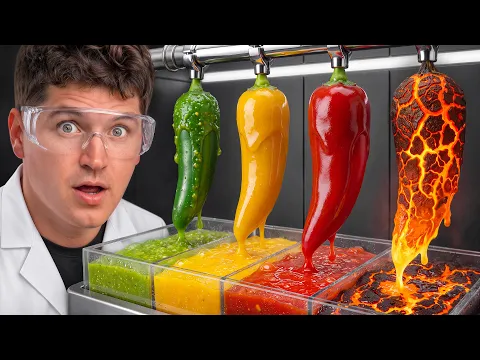 19:38
19:38Scale and balance extreme heat systematically. Discover the culinary science of capsaicin progression, from mild jalapeños to the intensity of Pepper X.
 81:49
81:49Discover how late-night digital rabbit holes, biological computing, and ancient structural mysteries can fuel creative lateral thinking and conceptual menu design for professional chefs.
 55:50
55:50An analytical exploration of how vacuum physics, material structures, and sensory frequencies from digital research channels can inspire innovative thinking in the modernist kitchen.
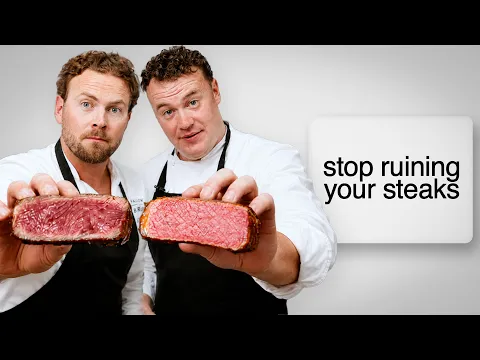 26:27
26:27The culinary team at Fallow put fifteen steak-cooking rules and myths to the test to separate kitchen folklore from genuine science, establishing an evidence-based method for cooking the ultimate steak.
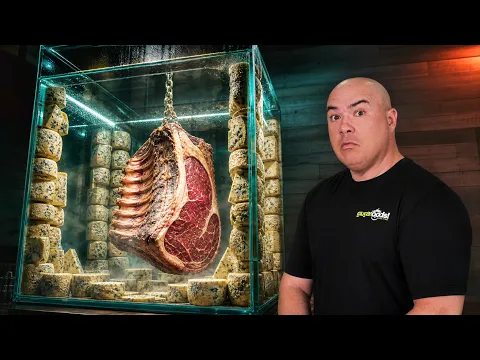 14:53
14:53Discover how modifying the dry-aging micro-environment with koji, salami mold, Wagyu tallow, and yogurt alters flavour development, moisture retention, and meat texture in this food science experiment.
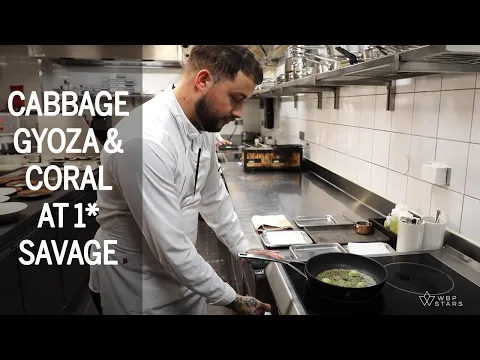 9:34
9:34Discover how Executive Chef Andrea Selvaggini of 1 Michelin star Savage in Oslo transforms the humble cabbage into a technical tour de force, featuring precise gyoza folding and a delicate, modernist cabbage coral.
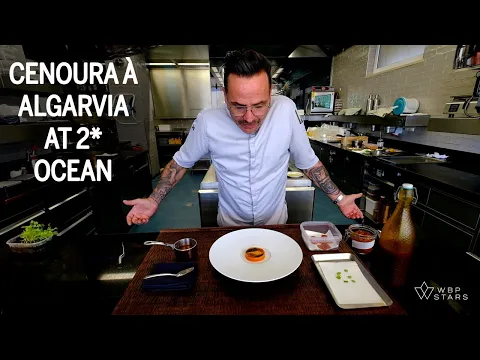 4:08
4:08Discover how two-Michelin-starred Chef Hans Neuner reimagines the traditional Portuguese marinated carrot salad, Cenoura à Algarvia, using XO sauce and Tonburi for a striking balance of umami and texture.
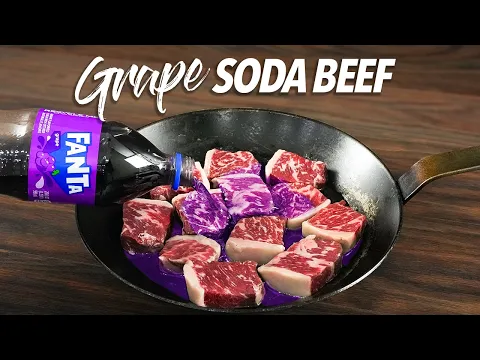 8:44
8:44Can grape soda genuinely lift premium beef? The team at Sous Vide Everything puts this bizarre internet culinary claim to the test to see if it delivers a rich glaze or a burnt disaster.
 3:05
3:05Discover how the Institute of Culinary Education's Advanced Contemporary Cuisine & Technique course equips professional chefs with the skills to master modern gastronomy, from sous vide to spherification.
 40:26
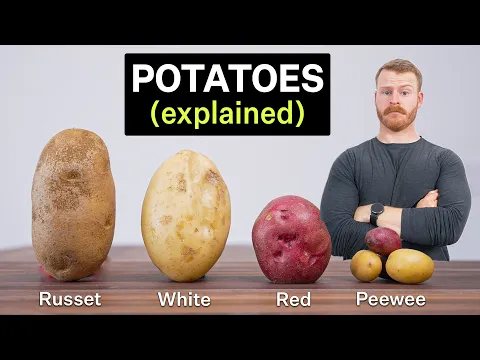
40:26A deep dive into potato science, exploring how the molecular structure of different varieties—from waxy reds to floury russets—dictates their culinary performance in the professional kitchen.
 16:17
16:17Go inside the culinary choreography of Copenhagen's Alchemist, where Chef Rasmus Munk serves a mind-bending 50-course tasting menu over six hours.
 17:41
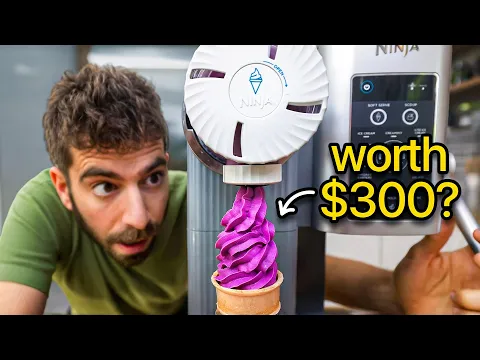
17:41Is the Ninja Swirl a game-changer for the pastry section or just a gimmick? We evaluate this new soft-serve maker against five different dessert bases to see if it earns a place in the professional kitchen.
 14:12
14:12Step inside Madrid's rebellious three-Michelin-starred powerhouse DiverXO. Discover how Chef Dabiz Muñoz tear up the fine dining rulebook with avant-garde techniques, intense global flavours, and theatrical service.
 7:46
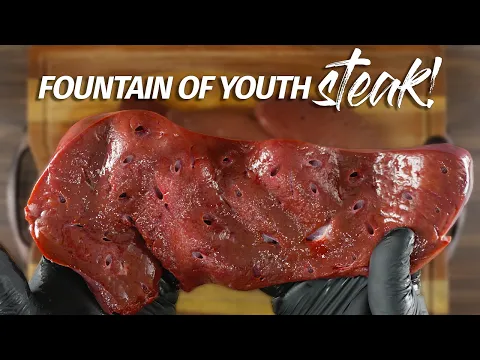
7:46Can offal compete with premium beef cuts? Guga Cooks tackles the ultimate nutritional powerhouse—beef liver—using precise sous vide techniques to turn a polarising ingredient into an irresistible steak.
 17:27
17:27An editorial analysis of Juan Amador's three-star Vienna restaurant, dissecting his modernist techniques, Spanish-Austrian fusion, and the mechanics of his signature 'Brick in the Wall' dish.
 25:38
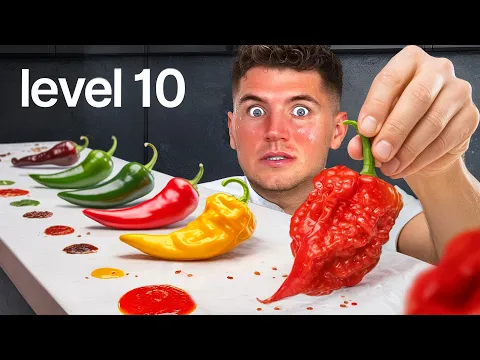
25:38Explore the culinary science of extreme heat as we analyse Nick DiGiovanni's high-stakes spiciest food challenge, focusing on capsaicin management and protein pairing.
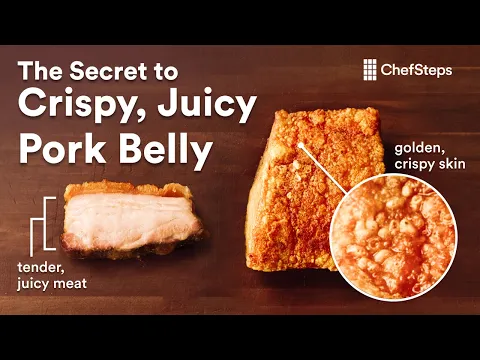 22:43
22:43Discover how ChefSteps combines sous vide technology and precision air-drying to master Cantonese roast pork belly (siu yuk) with a blistered, chicharron-like crackling.
 14:58
14:58Discover how Chef Stefan Stiller blends classical European techniques with local Chinese terroir at the three-Michelin-starred Taian Table in Shanghai, and learn the operational secrets of elite open-counter service.
 26:57
26:57Learn how to bake and construct a professional-grade celebration cake with ChefSteps. This editorial guide breaks down the science of hybrid sponge cakes, smooth Swiss meringue buttercream, and the precise techniques needed for sharp, bakery-standard decorating.
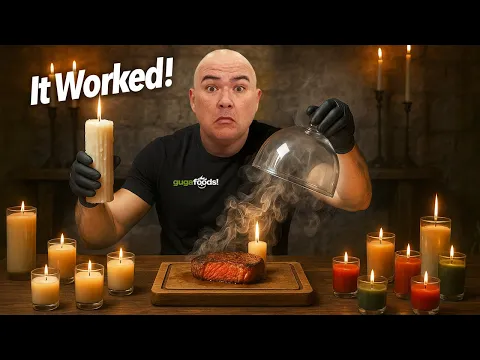 13:57
13:57Explore the theatrical and flavourful technique of rendering beef bone marrow into functional basting candles to smoke and finish premium steaks.
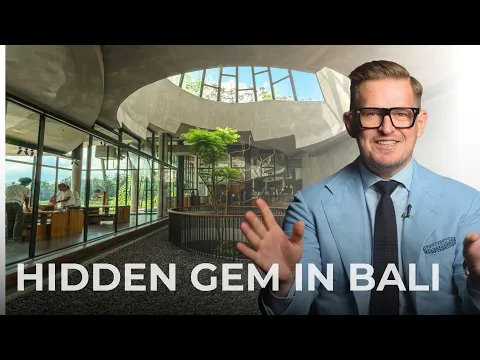 16:51
16:51Discover how Locavore NXT in Ubud, Bali, is redefining the fine dining landscape. Michelin-starred restaurateur Alexander Varga explores how this progressive restaurant leverages hyper-local sourcing, culinary research, and sustainable practices to eliminate import dependencies and lift Indonesian gastronomy.
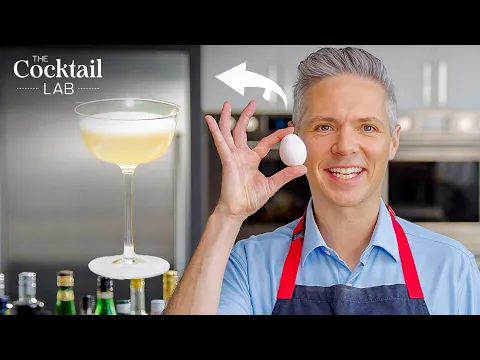 9:36
9:36Demystify the science of egg-based cocktails with America's Test Kitchen. Discover the chemical magic behind silky foams, the physical mechanics of the reverse dry shake, and how to harness egg yolks for luxurious emulsified classics.
 9:12
9:12Explore the theatrical kitchen choreography and multi-sensory dining strategies behind Paul Pairet’s three-Michelin-starred UltraViolet in Shanghai.
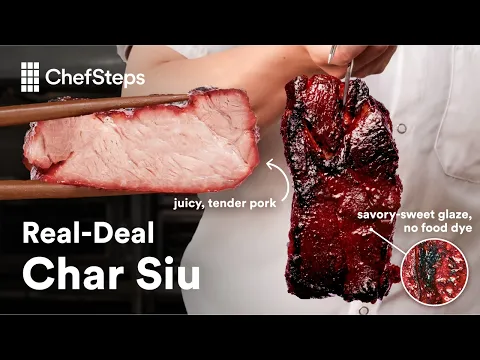 18:45
18:45Discover how to replicate the succulent texture and iconic glossy glaze of traditional Cantonese char siu using modern roasting techniques and precise thermal control.
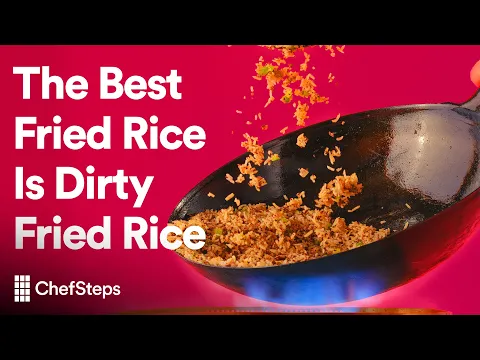 8:48
8:48Discover how Chef Eric Huang of Pecking House fuses traditional Chinese wok technique with Louisiana Cajun dirty rice to create a texturised, umami-rich masterpiece using charred chicken livers.
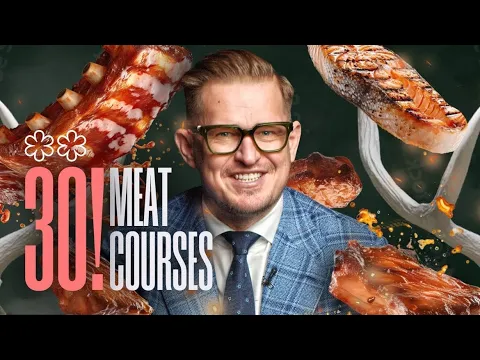 13:26
13:26Discover the culinary strategy behind Wales' best restaurant, Ynyshir, where Chef Gareth Ward serves an intense 30-course meat tasting menu that redefines pacing, palate balance, and wood-fire precision.
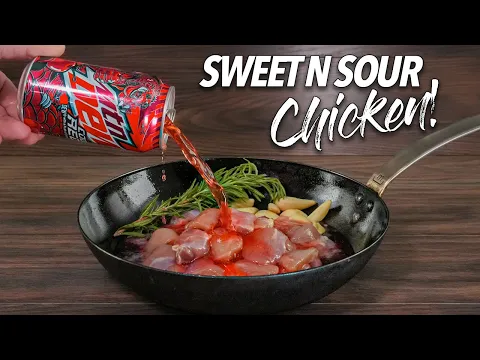 6:14
6:14We examine the viral culinary trend of using cherry soda to construct a sweet and sour chicken glaze. Does this high-sugar shortcut hold up to professional scrutiny?
Shorts & reels
Sixty-second clips — one idea, one trick, no preamble.
 1:11
1:11 1:38
1:38 0:27
0:27 0:31
0:31 0:35
0:35 0:38
0:38 1:22
1:22 0:51
0:51 0:35
0:35 1:25
1:25 0:33
0:33 0:56
0:56 2:46
2:46 1:07
1:07 1:33
1:33 1:38
1:38 0:30
0:30 0:32
0:32 0:48
0:48 0:45
0:45 2:01
2:01 0:46
0:46 1:13
1:13 0:35
0:35 0:31
0:31 1:11
1:11 1:08
1:08 1:11
1:11 2:08
2:08 0:33
0:33Questions from the pass
Agar fluid gels split if the agar concentration is too low or the shear rate is insufficient. Use a 1% to 1.5% agar-agar ratio by weight to the liquid. Boil for three minutes to hydrate fully, set completely in the fridge, then blend at high speed in a Vita-Prep until completely smooth, adding 0.1% xanthan gum to stabilise.
For a steak-like texture, cook short ribs at 57°C for 72 hours. For a traditional, flakey braised texture that still retains moisture, cook them at 62°C for 48 hours. Always salt the meat lightly beforehand and chill rapidly in an ice bath if not serving immediately to prevent bacterial growth.
Soy lecithin foams fail when the liquid is too thick, too fat-heavy, or not aerated at the correct temperature. Keep the liquid warm (around 50°C to 60°C) and use a ratio of 0.5% to 1% soy lecithin powder by weight. Use a wide, flat container and aerate with a hand blender held at an angle to pull in air.
To get crystal-clear tomato water for consommés, spin pureed tomatoes in a benchtop centrifuge at 4,000 RPM for 20 minutes. The high G-force separates the dense insoluble solids from the clear liquid without heat, preserving the fresh, raw tomato aroma. Add 0.1% pectinase beforehand to break down pectin and increase the yield.
Tough skin on spheres happens when they sit in the calcium bath too long or the calcium chloride concentration is too high. For direct spherification, use a 0.5% sodium alginate bath and a 1% calcium lactate gluconate solution for the flavour base. Rinse the spheres in clean water immediately after one minute of curing.
The library is just the prep work
A free account on The Chef's Circle app gets you a professional portfolio, a way in with chefs and kitchens across our 1.6 million-strong following, and a cut of the ad revenue on the content you make.